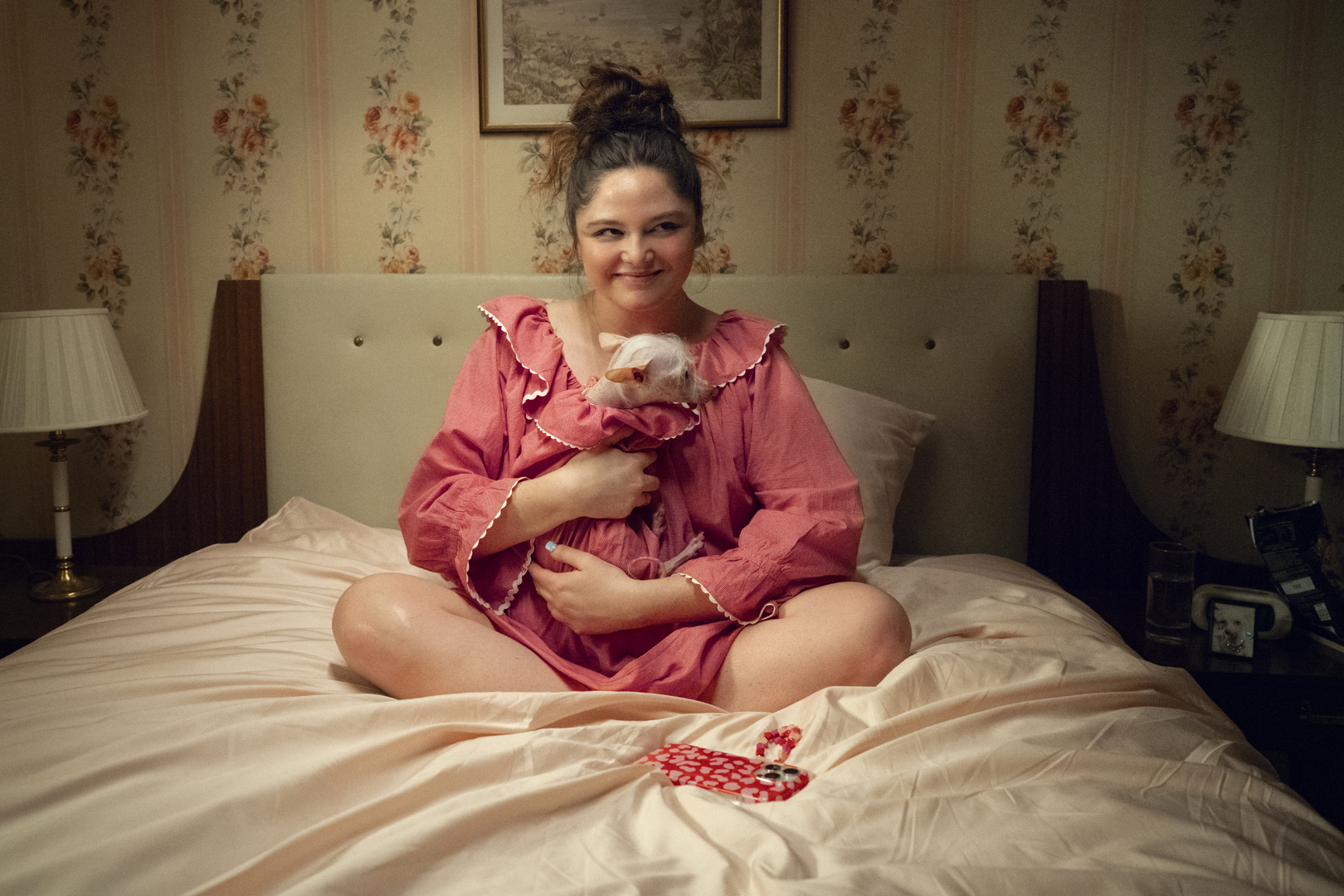
Netflix launched the TV series Too Much this summer amid a lot of buzz—well-deserved buzz, as Too Much is the first follow-up TV series from creator Lena Dunham since her hugely successful HBO show Girls (2012-2017).

And while the comparisons between Too Much and Girls are unfair—they’re very different shows, after all—they are inevitable. Both shows portray strong, opinionated female leads who don’t quite fit the beauty mold of their ages. The two shows explore passionate, raw, awkward love. Both are unapologetically crass in their display of drugs, sex, and profanity. And most importantly, both feature a lovable but flawed main character, ungracefully trying to find her way in the world.
Dunham created Girls on her own and co-created Too Much with her husband, Luis Ferber. The two shows are semi-autobiographical, inspired by Dunham’s life as a single 20-something in Brooklyn and her subsequent move to London, where she met and married her husband.
Too Much is the story of Jess (Megan Statler), a TV producer in New York who takes a job in London, partially for a fresh start after a breakup with her long-term boyfriend Zev (Michael Zegen). She immediately meets and begins dating Felix (Will Sharpe), an unemployed musician with a difficult past. Jess navigates this budding romance while taking on a challenging job in a new country, all while processing her grief over her previous relationship.
Jess is full of contradictions, and Statler plays this seamlessly. She’s competent at work but lets herself get bullied by her colleagues. She puts up with disrespect from her boyfriends, but eventually sets boundaries and sticks to them. She knows her worth in relationships, but also falls prone to jealousy and anxiety. It’s in these contradictions that Jess’s character resonates, especially with the show's target market: millennial women like me.
Jess feels real because she is real, embodying many of the values of her generation. Millennials are often accused of never growing up. They don’t get married, and they treat their pets like children (you’re going to love Jess’s dog, Astrid). Yet they can deliver on huge responsibilities at work, as Jess does. They bear the emotional burden of caring for their families. Jess takes care of her mother (Rita Wilson), nephew (Oliver Nirenberg), soon-to-be ex-brother-in-law (Andrew Rannells), and especially her sister (Lena Dunham), all from across the pond.
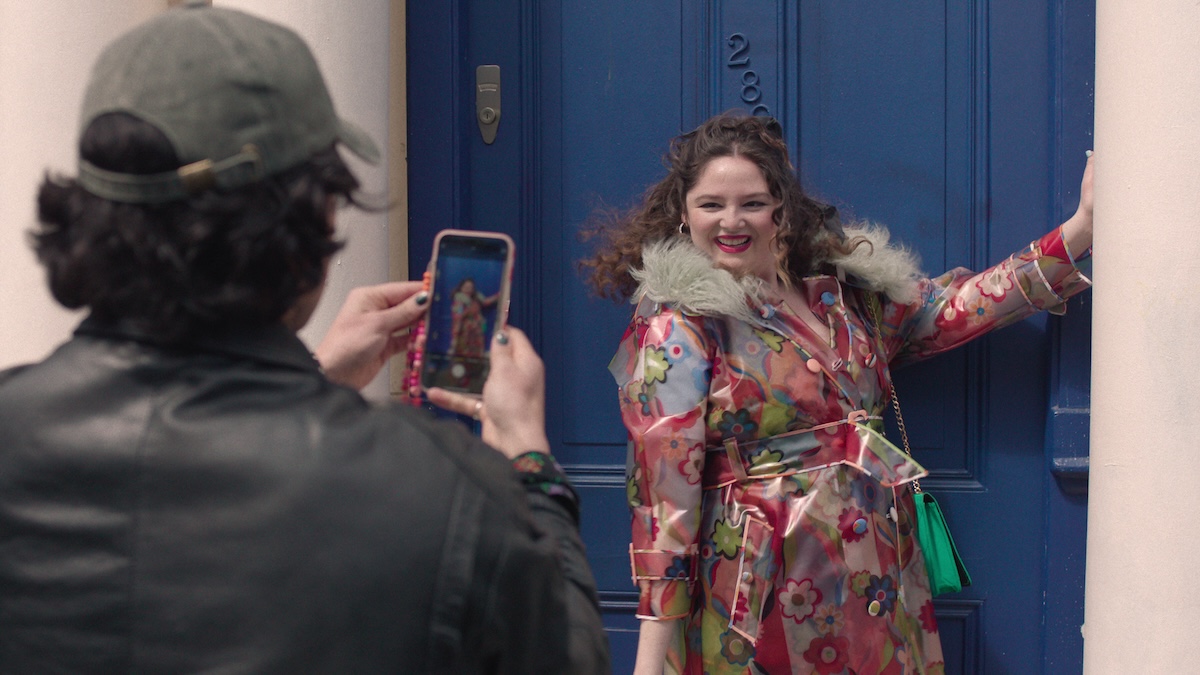
And just like in Girls, Lena Dunham has this way of pairing the relatable with the fantastical. For every scene demonstrating Jess’s realness, or the authenticity of her relationship with Felix, there’s something insane and absurd to counter it. Notably, we see this as Jess breaks into her old apartment to yell at her ex-boyfriend and his fiancée in the middle of the night; does lines of cocaine with her uptight co-workers during her first week of work; and lights herself on fire.
This juxtaposition works better in Girls, where the main characters demand to be treated as adults but often act like children. Watching Too Much, I wanted to see the evolution of the affluent millennial woman’s perspective. What happens to these 20-something girls when they become 30-something women? How do they grow and change? The answer: not much. Except as an audience member, I’ve changed. And I have less patience for their immaturity. It’s easier to forgive 24-year-old Hannah Horvath in Girls for chasing an unavailable man. It’s less understandable to watch 35-year-old Jess in Too Much do the same thing. I had a similar feeling trying to watch And Just Like That, the reboot of Sex and the City. I kept asking myself, “Haven’t these women learned anything?”
Lena Dunham, despite her controversies, has offered a strong and consistent voice in the realm of millennial feminist discourse. I just expected her to have something more profound to say with Too Much.
Because Girls was made before Me Too, there was something rebellious about it. It gave young women the spotlight to unapologetically air all of their unfiltered wants and insecurities. It went against the grain. Plenty of people thought it was stupid or vain. It wasn’t for everyone, and that was part of its appeal. In our current cultural moment, centering a narrative around a young woman’s personal life and perspective feels like the most PC thing you can do. It’s not subversive or bold. We're not allowed to hate it, and that makes it harder to love.
And perhaps even more offensive, Too Much just isn’t very funny. It’s supposed to be a romcom, or at least, an anti-romcom. It does a good job of showcasing romance: the good, the bad, and the ugly. Jess and Felix have undeniable chemistry, yet often treat each other badly and give in to their own insecurities. Their love story develops quickly. We’re rooting for both of them as the episodes go on. But are we rooting for them to be together? Without being too specific, their romance gets a happy ending, but it doesn’t feel good. It feels slapped together, built on shaky ground. I don’t feel relieved at the end. I feel apprehensive.
And to be blunt, getting to the end of season one was a slog. I pushed through all 10 episodes out of some sense of loyalty to Lena Dunham and Girls. And while there were a few episodes that offered standout storytelling and acting (Episode 5, written and directed by Dunham), especially from Statler and Sharpe, the show overall proves unremarkable, offering little insight and only a few laughs. At the risk of sounding like a fan-girl, I'm telling you that your time would be better spent rewatching Girls.
Too Much is currently streaming on Netflix.
If you enjoyed this post, please consider supporting Third Coast Review’s arts and culture coverage by making a donation. Choose the amount that works best for you, and know it goes directly to support our writers and contributors.
