
There are not many movies like A Little Prayer, written and directed by Angus MacLachlan. It’s quietly understated, with a simple plot pushed forward with emotional performances from stars David Strathairn and Jane Levy. But somehow even at just 90 minutes, its slow pace makes the weighty story seem long.
The film features outstanding performances and great emotional depth, but its pacing and lack of contextual grounding risk making the story feel inconsequential. The audience has to interact with this film to mine its meaning, a quality that some will find appealing but will leave many wanting.
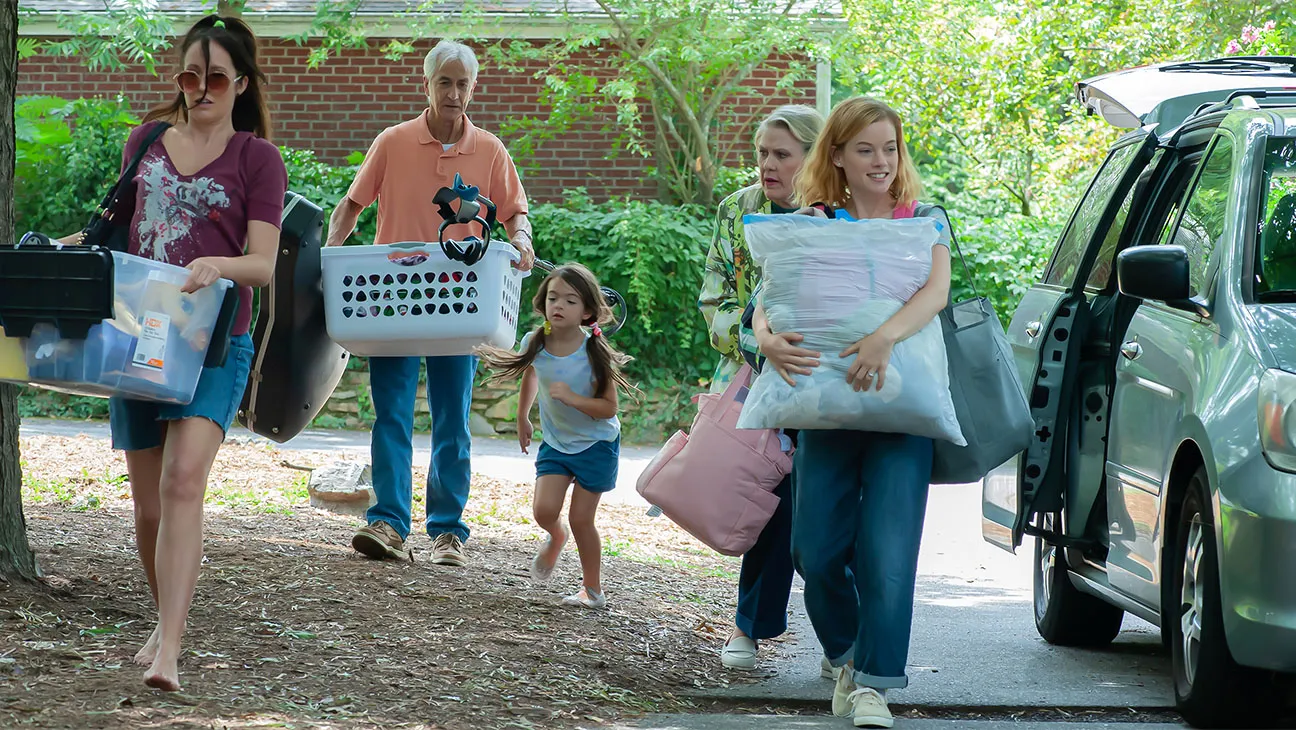
A Little Prayer tells an intimate story of intergenerational family life, with husband and wife David (Will Pullen) and Tammy (Levy) living on the property of David’s parents’, Bill and Venida (Strathairn and Celia Weston). David and his father work together running a company, while Tammy stays home, and Venida works at a nearby historical center. Tammy has a deep and caring relationship with her in-laws, especially Bill.
It soon becomes obvious that Bill and Venida are closer to Tammy than their own children. We learn that David cheats on Tammy with someone at his work and has let his drinking get out of control. At the same time, Bill and Venida’s other adult child, Patti (Anna Camp), comes home surrounded by a cloud of marital and financial trouble. Patti comes across as spoiled and mean to her daughter, Hadley (Billie Ross), while David remains closed off to any guidance from his father. This contrasts with Tammy’s gentleness and calm.
All of this conflict unfolds with low-stakes interactions. There is no huge fight or big reveal; just quiet, restrained tension. This pace adds to the intimate, familial tone, though it fails to bring a sense of urgency to the narrative.
To be fair, quiet intimacy is key to the story that Angus MacLachlan is trying to tell. In A Little Prayer, the performances of the main characters, Bill (Strathairn) and Tammy (Jane Levy), best achieve that end.
Bill's character demands a layered performance, which Strathairn delivers. We see him as a loving father to three very different adult children. In those relationships, he experiences joy, pain, and guilt. He grapples with his own failings while trying to love his children in the different ways that they need, even though he feels ill-equipped to do so.
Tammy’s character also requires a nuanced portrayal, as she is shown to be both vulnerable and strong. Levy pulls this off gracefully. We’re able to see how she is being pulled in different directions emotionally, and we understand the pain of the decision she ultimately makes.
While the supporting cast adds to the emotional complexity of the narrative, it’s Strathairn and Levy who ground the narrative and give the movie emotional weight. This is what makes us care about the story, even in the face of the relative mundanity of the plot.
Of course, the mundanity is a double-edged sword, because while it leads to slowness in the plot, it’s also what makes the movie relatable. Parental love, sacrifice, small acts of care, and generational misunderstandings are themes everyone can relate to. It’s hard to watch this movie and not see yourself in one of the characters.
The story uses these commonplace situations to reveal deeper struggles about morality, responsibility, and love. It especially draws a contrast between how things appear and how they actually are. This dynamic adds emotional richness and depth to the events we witness in this family.
But no matter how emotionally deep the events feel, there is something lacking in the dynamics between the parents and their adult children. There’s no explanation for why David and Patti are struggling, except for one throwaway comment from Bill asking his wife, “Was I a bad father?” The lack of context makes it hard to sympathize with David and Patti as complex characters, instead of just spoiled adult children. This weakens the emotional stakes.
And as the film aims for subtlety, it’s so successful in this that it often drifts into inertia, where nothing happens and it becomes hard to pay attention. There are many times when the slowness of the film is an asset, but other times it becomes a liability.
While not a flawless film, A Little Prayer offers a deep story, carried by nuanced performances from its two main leads. This film will appeal to people who can appreciate patient storytelling and emotional family dynamics. This slow burn provides a complex depiction of love, sacrifice, and generational connection that many people will appreciate.
A Little Prayer is screening in theaters, including the Music Box Theatre.
If you enjoyed this post, please consider supporting Third Coast Review’s arts and culture coverage by making a donation. Choose the amount that works best for you, and know it goes directly to support our writers and contributors.
