
I have mixed feelings about Olivier Assayas’ most recent film Suspended Time (his latest, The Wizard of the Kremlin, a fictional portrait of the man who enabled Putin’s rise to power, is about to receive its world premiere at the Venice Film Festival as part of its main competition).
On the one hand, Suspended Time is a throwback to the type of bucolic, intellectual, dialogue-driven and sometimes neurotic French films that used to be shown frequently in art houses throughout the United States. In that regard, it is a delightful, funny, laidback treat, one full of film and art references, winks and easter eggs that sometimes fly way above our heads.
On the other hand, for those of us who lost relatives to COVID or COVID-accelerated ailments, Suspended Time can also be quite aggravating. This is, after all, the portrait of four privileged individuals who could afford to leave the city and eat a good meal outdoors surrounded by beautiful landscapes taken straight out of a a painting by Monet or Renoir (who gets a mention through a recording featured in the film of an interview with son Jean Renoir as he recalls his father’s final days).
Lucky them.
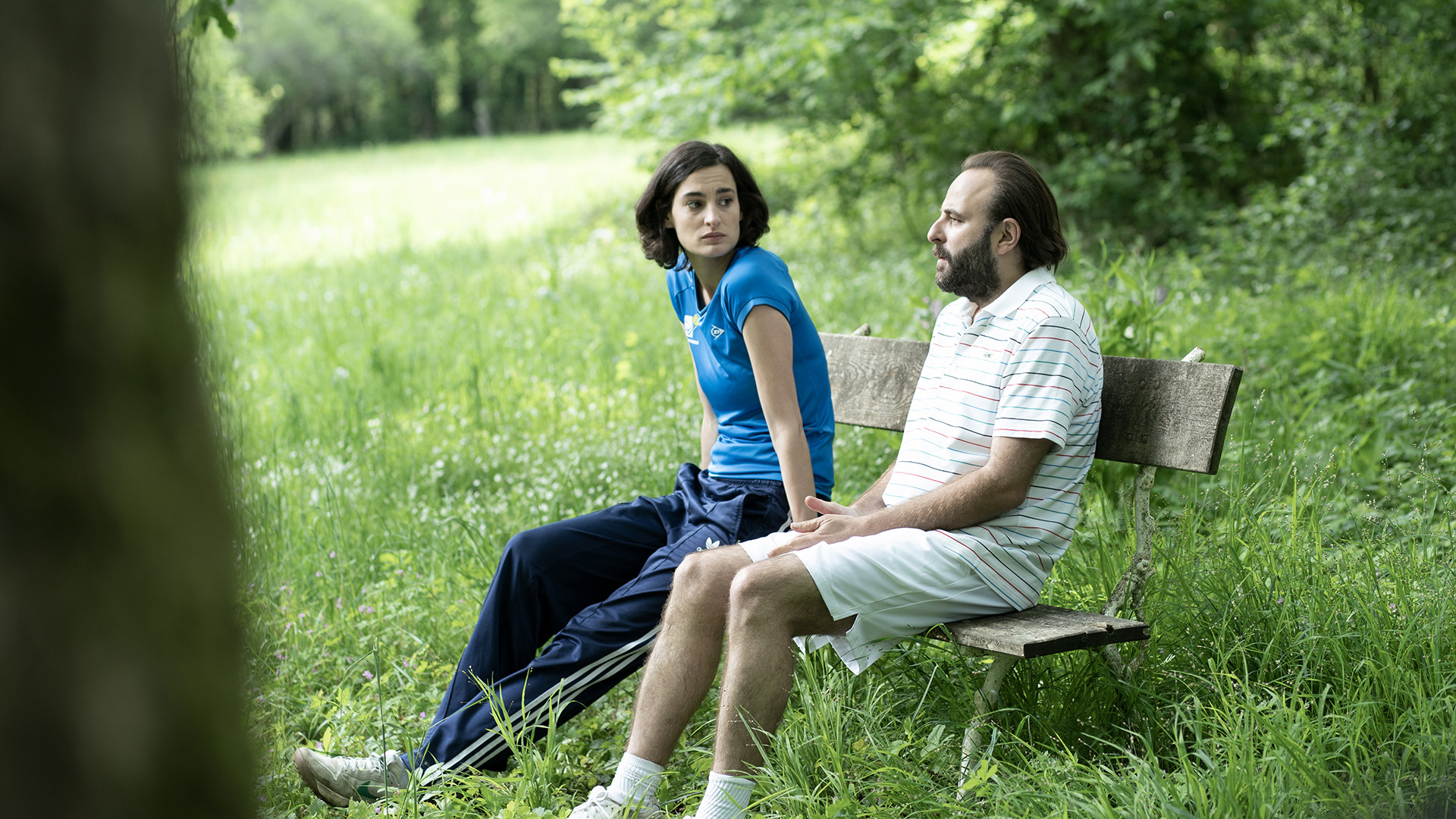
It’s the early days of the pandemic and brothers Paul (Vincent Macaigne) and Etienne Berger (Micha Lescot) have decided to spend the government-imposed lockdown at their childhood home in Chevreuse Valley, about an hour’s drive from Paris, with their girlfriends Morgane (Nine d’Urso), a documentary filmmaker, and Carole (Nora Hamzawi). It also happens to be Assayas’ childhood home and before he introduces this fictional quartet, the director takes us on a tour where everything, from his father’s library and desk to his mother’s private sanctuary, remains intact, if perhaps a bit dusty. It’s a place haunted by memories, most of them good. Assayas weaves these reminiscences throughout the film; they feel like doodles on a piece of paper, doodles that are at times a bit more interesting than the quasi-fictional story Assayas tells.
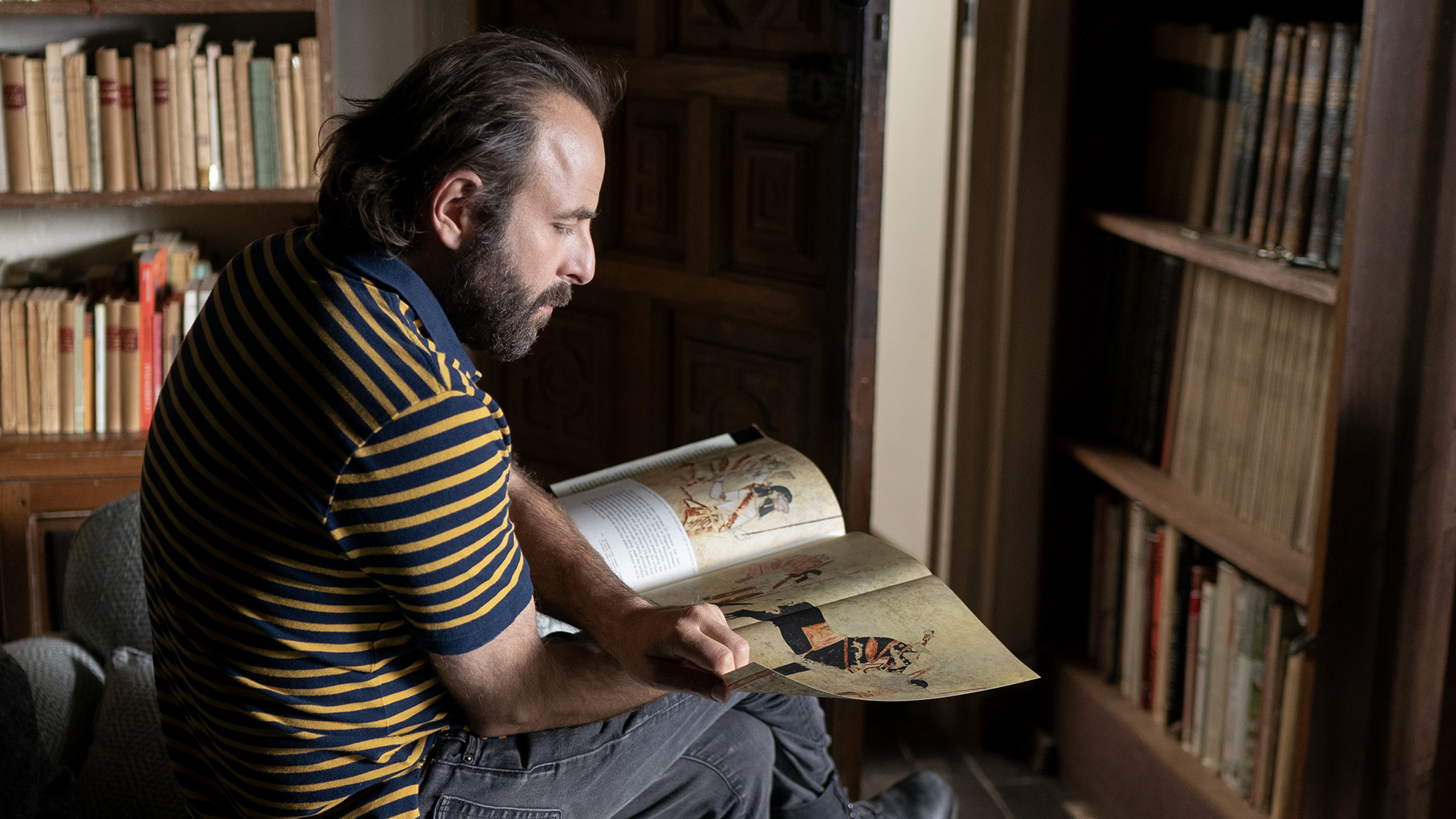
Paul is pretty much a stand-in for Assayas, although I suspect the French filmmaker is not as neurotic as his alter ego. Paul is himself a divorced filmmaker who seems to have a penchant for falling in love with women in his field; his ex-wife (who is apparently a stand-in for Assayas’ ex-wife Mia Hansen-Løve) is also a filmmaker who is introduced via Zoom as she argues with Paul about the future of filmmaking and how to properly raise their daughter, Britt. It is the first of many winks at the audience: Paul also reminisces about his time spent in Cuba with his new girlfriend while shooting a film (an obvious reference to Wasp Network) and the perpetual presence of salsa in Cuba after a new neighbor next door begins to blast something that absolutely does not sound anything like salsa much less any of the dozen other rhythms that come out of Cuba.
Etienne is a music journalist, too cool for school behind his ever-present dark glasses and wispy grey hair, passing judgment on his brother’s neuroses and OCD. He may criticize his brother’s penchant for ordering everything from Amazon when he could be supporting smaller stores; for obsessively monitoring and studying the latest data; and following, almost compulsively, every single pandemic rule and recommendation. Etienne, after all, sees these as a constraint to his freedom. But that doesn’t stop Etienne from indulging his own obsession: preparing and eating crepes at all times of the day.
Morgane and Carole, who for the first time are living under the same roof with the squabbling siblings, are not given much to do by Assayas. They are there to defuse any situation that could potentially break whatever sense of tranquility they manage to muster in this paradisiacal home and to lend a sympathetic ear while amusingly watching Paul’s and Etienne’s sibling rivalry take off in the most absurd ways. Harzawi and d’Urzo do the best they can with what little Assayas gives them to play with. Suspended Time may at times evoke some of Eric Rohmer’s best films, but the women in Rohmer were fully defined, often conflicted, well-rounded characters.
Assayas’ reminiscences about memory, his childhood, his relationship with brother Michka (himself a music journalist), his future and the future of filmmaking post-pandemic, would have made for a fascinating medium-length film of its own. I’m not sure I could say the same thing about the semi-autobiographical story attached to it. On its own, these characters' idyllic quarantine feels too slight, too much ado about nothing. Assayas’ reminiscences give those scenes weight. He himself answers his own question about how cinema has abandoned nature by giving us loads of it.
Yes, there is some pleasure to be had in listening to adults talk about music, literature, film and painting while eating good food even as one of them obsesses over every single box, every single contact with a surface or human being. In other words, the things that were denied to so many of us during that excruciating year and a half of lockdowns, mask wearing and the loss of so many loved ones in many cases caused by the selfish and ignorant behavior of so many. But no matter how much Assayas and his characters acknowledge and even mock their privileged circumstances, Suspended Time feels a bit out of touch.
Suspended Time opens exclusively on Friday, August 29, for a one week run at the Siskel Film Center.
If you enjoyed this post, please consider supporting Third Coast Review’s arts and culture coverage by making a donation. Choose the amount that works best for you, and know it goes directly to support our writers and contributors.
