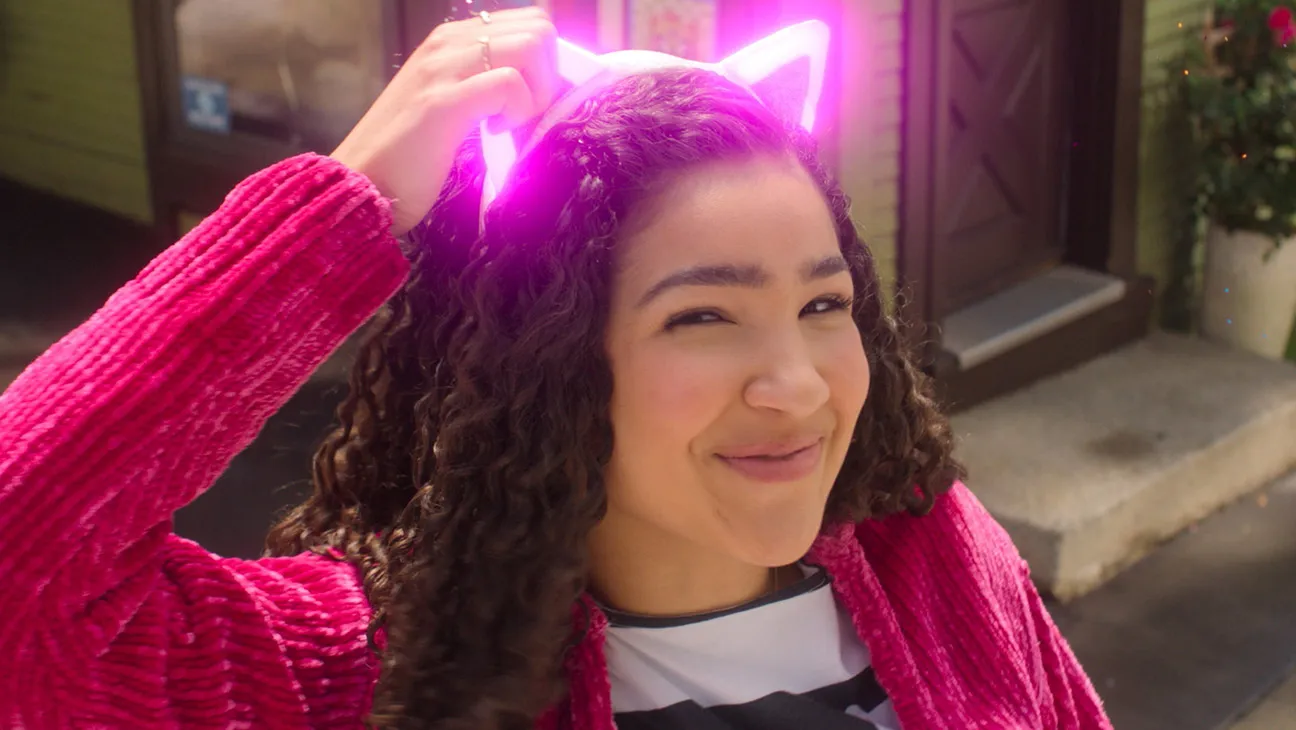

Based on the wildly popular Netflix series created by some of the creators of Blue’s Clues back in 2021, Gabby’s Dollhouse: The Movie is an extension of the show that follows our titular Gabby (Laila Lockhart Kraner) as she plays with her toys by touching her magical cat ears and shrinking down into her dollhouse. These adventures tend to highlight Gabby's colorful cast of toy cats and feature a craft or cooking activity at the end. It’s a pretty solid show that blends magic and imagination with some real world application while also remaining formulaic.
Having a four-year-old child of my own, I’ve become hyper sensitive to the content created for children, and the content she consumes, monitoring, investigating, and genuinely enjoying a lot of it with her. She has always naturally strayed away from media that lends itself to violence, chaos, and overstimulation, so in that vein, Gabby’s Dollhouse fits within my daughter’s wheelhouse pretty well. The show is imaginative, speaking directly to the child instead of at them, and including a craft or activity within her skillset. So when news of a film was announced, we were both pretty hyped to jump further into that world, and this experience did not disappoint.
The movie begins with Gabby and her Grandma Gigi (wonderfully played by Gloria Estefan, so glad she’s still working) traveling to Cat Francisco, but in the process they lose the dollhouse with the Gabby Cats inside. It’s promptly purchased by cat enthusiast and cat litter millionaire Vera, played lovingly by Kristen Wiig. Vera isn’t so much of a villain as much as she’s a caricature of what kids think adults are: overly serious and unable to be happy or play with toys. Vera also has Chumsley: a disgruntled cat toy tired of not being played with (voiced by Jason Mantzoukas). It’s jarring to see Mantzoukas in a kids show after watching his raunchy persona in most everything else he’s been in, but he does a really good job bringing his own brand of chaos to what’s normally a pretty civilized community of cats.
The show’s cast of characters are mostly all accounted for with the usual suspects of Pandy Paws, Carlita, Cakey, DJ Catnip, CatRat, Kitty Fairy, MerCat and Box Cat, with a couple of new characters including Chumley and Twiggy thrown into the big screen foray. It’s a lot to juggle but everyone gets an opportunity to shine, with more than half included in musical numbers. These range from some licensed radio/Tiktok bangers, and some original pieces complete with audience participation dance moves. My child jumped at the opportunity to do the dance moves, or yell the call and responses presented by the characters on the screen, and this movie does a great job of making everyone feel included in the viewing. It’s a fun kids show trick that is used to keep the kids engaged and Gabby’s Dollhouse does just enough without becoming annoying, which was a big fear of mine.
During their adventure, we see Kristen Wiig’s Vera go through the cliched arc of finding her childhood imagination again, and it’s done so to good effect. Vera fights the feelings just enough to be believable, and a counter to her seriousness comes with the introduction of Gabby’s Grandmother Gigi, who gets in on the action, shrinking down with the Gabby Cats to help Gabby when she’s in trouble. It’s a nice twist, when the show plays with it all being imaginary, and now suddenly there’s a big dose of reality. On that note, one of the key themes in the film is the ultimate dilemma of growing up, losing one's innocence and the ability to play, which is presented by the bitter Chumsley. The crux here is that eventually Gabby will grow up and stop playing, leaving the toys abandoned. It’s a pretty grim pill to swallow for our characters, and is generally wrapped up with a pretty flimsy message of “we believe you won’t do that” before the story just moves on.
I have a few criteria that I use to judge children’s media, and one is how well it delivers a worthwhile message.hat’s where Gabby’s Dollhouse: The Movie stumbles for me. It presents a crisis that everyone faces, and one we’ve seen in popular media in the past, namely in the now-classic Pixar film Toy Story. In that movie, growing up is an inevitability but with a loving reverence; here it’s presented fearfully and then just as quickly skirted past for more lighthearted zany antics, as if to say “this is a big deal but maybe don’t think about it too hard right now.” I guess that’s a message that works, but then why present Gabby with this massive crisis at all? It threw me for a loop, how the film builds a dark element of despair only to quickly turn left and head back to smile town. On the other hand, my child was absolutely unphased by this so I guess it’s all on the viewer to draw their own conclusions.
Otherwise, the movie overall is a tight 90-minute cavalcade of highly infectious songs, silly hijinks and an overall good vibe that translates perfectly from small to big screen. It expands upon most of what the show does minus the aforementioned crafting segment. My child and I have already been bumping the soundtrack on car rides and discussing her favorite Gabby Cat segments (hers was MerCat). Gabby’s Dollhouse: The Movie has a mixed message regarding growing, up but it’s inoffensive and treats the children with respect, which is a big plus for me. In the world of kids media, this rates up there with some of the best. It’s no Trolls (which is our favorite in the DreamWorks Animation catalog) but this will definitely be in the rotation when it comes to our family movie nights.
If you enjoyed this post, please consider supporting Third Coast Review’s arts and culture coverage by making a donation. Choose the amount that works best for you, and know it goes directly to support our writers and contributors.
