When we spoke with Cinema/Chicago Artistic Director Mimi Plauché a year ago, she was on the verge of launching the landmark 60th Chicago International Film Festival at various venues across Chicago. But just because the 2025 edition (October 15 - 26, 2025) isn’t a milestone anniversary doesn’t mean the pressure is off for Plauché and her team, who are bringing major releases from around the world as part of the 61st edition of the longest-running film festival in North America.
As has been the case for the last few years, the festival's primary home is AMC NEWCITY, with additional events taking place at the Music Box Theatre, the Gene Siskel Film Center, the Reva and David Logan Center for the Arts at the University of Chicago, the Chicago History Museum, Kennedy-King College, and the National Museum of Mexican Art in Pilsen.
This year’s program includes 111 feature films and 70 shorts, four World Premieres, 17 North American Premieres, and 18 U.S. Premieres, showcasing cinema from more than 60 countries around the world including Colombia, Thailand, France, Morocco, Iran, Romania, Germany, Chile, Kyrgyzstan, Japan, and more. Other highlights include tributes to Nia DaCosta, Gus Van Sant (who will also headline a Master Class in Directing at Industry Days), HIKARI, Joel Edgerton and Clint Bentley, as well as a five-film Kelly Reichardt retrospective. In addition, in a career defined by vision, courage, and an unwavering commitment to truth, director Euzhan Palcy is set to receive the Black Perspectives Tribute and Career Achievement Award at a screening of her 1983 work Sugar Cane Alley.
The festival opens its 61st edition with the World Premiere of Kevin Shaw’s documentary One Golden Summer, the true story behind Chicago’s Jackie Robinson West Little League baseball team’s heartbreaking fall from grace and subsequent road to redemption, as told by the players themselves. Check out more here about the Opening Night film and how to enjoy the festival.

As we do every year as part of our preview of the Chicago International Film Festival’s offerings, we sat down for an extensive interview with Plauché, who walks us through this year’s offerings, including a list of under-the-radar titles that she believes deserve your attention. Please enjoy our conversation.
Looking back at how the 60th year went, does this year seem a little less stressful or equally stressful?
It was a hugely successful year last year, both in terms of films but also a couple of new, anniversary things we did. This year is my 20th festival, and looking back at the festival in the 1990s, there were a number of filmmaker retrospectives, and we hadn’t done one since I’ve been here. And it did feel like when we did one-off retrospective screenings—like a new restoration tied to the filmmaker—it was hard to get the audience’s attention for something that was old when so much focus was on the new films in the festival. So last year, being an anniversary year, there do seem to be shifts in audience behavior as we looked at theaters around the city, and it seemed like a great year to tie back into our history, and Kore-eda was a dream for me. We did six films publicly, seven films with students, but it felt like we were taking a chance on something we were really excited about but weren’t sure how audiences would respond.
In the end, they were some of the first films to sell out. So we did it because of the anniversary, but it became an indicator of things that might be possible for the future, and that was what inspired us to reach out to Kelly Reichardt. As a programming team, we put together our wishlist, and she was at the top of the list. We weren’t sure how it was going to work out with the timing of her new film, The Mastermind, but it ended up working perfectly. We’re doing a somewhat smaller retrospective, but thematically, we looked at what that would look like and tossed around different ideas for themes. We knew that we wanted to include First Cow for sure because it had such little access theatrically because of the pandemic and the timing of the release, and it’s a beloved film. In the end, working with Kelly, we came up with the idea of the “buddy movie” theme, and how she takes the genre and turns it on its head.
Some of the other major successes we had last year include audience growth, with most of the growth coming from a younger audience. Last year, something like 42 percent of our audience was under 35, which is so different from when I first started, when it was more like an upside-down pyramid, and now we’re more like an audience, when we looked at audience demographics and age. It might even more more of a column, actually.
Do you find year after year that if you do a director retrospective, for example, you don’t do something that’s more thematically connected.
I don’t know that it had to be one or the other, but sometimes it depends on what films we’re seeing in a given year and what fits into a theme and can we organize something around that. Last year, we did a number of country focuses and because of what we were seeing, we leaned into the comedies from those countries. We’ve been calling out comedies for a long time, but last year we were seeing a number of films that fit that category, as well as a couple of the older titles we were doing, comedy presented itself as an interesting direction to take.
I love that you’re re-committing to getting a few 35mm prints back in play this year. This has got to be the most you’ve done in a while.
Oh yeah. When I first started, 90-95 percent of the films were on 35mm, and then that number slowly went down; then in one year it suddenly jumped to 50/50 and then flipped completely over the digital. But once it switched, you weren’t working with five or six different formats, just DCP . When we were presented with options this year in terms of format, like Orphan for example, we always took it. And we just added The Testament of Ann Lee, also in 35mm.
I feel like everyone programming a festival right now in Chicago is thinking a lot about the impact of losing Michael Phillips specifically, and the Chicago Tribune’s personalized coverage in general. How does that loss impact your strategy in terms of promotion and press?
It’s following a general trend, which is distressing. And the coverage across the board in Chicago, if the critics aren’t based here and aren’t tuned into what’s happening in Chicago, it flattens it out. It’s not angled at a Chicago film-loving audience; it’s not specific to what festivals are doing and lifting up the exhibition or festival community in Chicago to elevate cinema. There’s such unique programming happening across the board in Chicago festivals that you really miss out on those opportunities. For us, there’s been a big shift in the last couple of years, and we’re really able to connect with audiences through social media, so that’s a little more targeted, which for us has been great—connecting specific films with the right audiences or the audiences that have a natural affinity for the work. In general, whether it’s a theater like the Music Box or the Gene Siskel Film Center and any specialty programming that’s happening here, that’s where we’re going to miss a critic like Michael, uplifting the uniqueness of the work taking place.
Every year, themes surface in the films you choose that you did not plan, necessarily. What are some of those themes this year? What are you seeing, subject-wise or emotionally?
After we locked the program, one of the things that we noticed were coming-of-age stories, and in any festival, you see a fair number of those, but this year, when we compared to other years, there’s a lot more. There’s no intention behind that, but with our focus on new directors, there’s a tendency to tell more personal stories, stories from your history, and if it’s your first or second film, oftentimes, it’s personal and coming-of-age would be natural. But even from more established directors, we were seeing something along the lines of coming-of-age stories across the board. And I was wondering why, but there’s a moment when you’re coming-of-age when you’re confronted with some problem or question—a moment in your life when you have to make a decision about what type of person you’re going to be, and sometimes these are adult coming-of-age stories as well. Maybe we’re at this moment—socially, politically—where we’re confronted with something where we have to decide what direction we want to take. That’s true for adults too.
Something a lot of people are getting excited about is that you have the Criterion Mobile Closet coming to Chicago for the first time ever .
They should be excited. We were super excited to see they were doing it when they launched it last October at the New York Film Festival, and we thought there was great brand alignment with the type of cinema we show and have always shown. We reached out to them and they agreed, and we started working on the partnership early in the year.
How did you land on One Golden Summer as this year’s Opening Night film?
They reached out to us a while ago, and not even about opening night, but when they were first working on it, early in the stages. We’ve shown lots of Kevin Shaw’s work in the past, so they reached out in early spring when they were close to finishing and wanted us to consider it for the festival. And when we watched it, we knew immediately is was the perfect film for the Chicago International Film Festival.
But then thinking about it for Opening Night, for many years, we’ve shown films that have a Chicago connection or uplifts Chicago talent in some way. So the first criterion for Opening Night is that it’s a film that we believe in, and it’s a film that audiences will be excited to see and connect with. More than anything, Opening Night has to feel like a celebration, and you can celebrate in many ways, but with this, it’s a celebration of Chicago talent, a Chicago story that’s important, and a great film. The thing I appreciate the most about the film is that it’s a story I remember being covered in the media, both when the team won and the controversy that came up after that. The filmmakers do such a great job of providing context and giving backstory, placing it in the social systems in Chicago, and showing us what’s at stake, the tension, and how this happened. There’s also information here about the broader context and what was going on on a national scale. There’s something really human about it.
I love that you’re paying tribute to Nia DaCosta, because she’s not only a rising talent but she’s a filmmaker who seems committed to doing something different with each film.
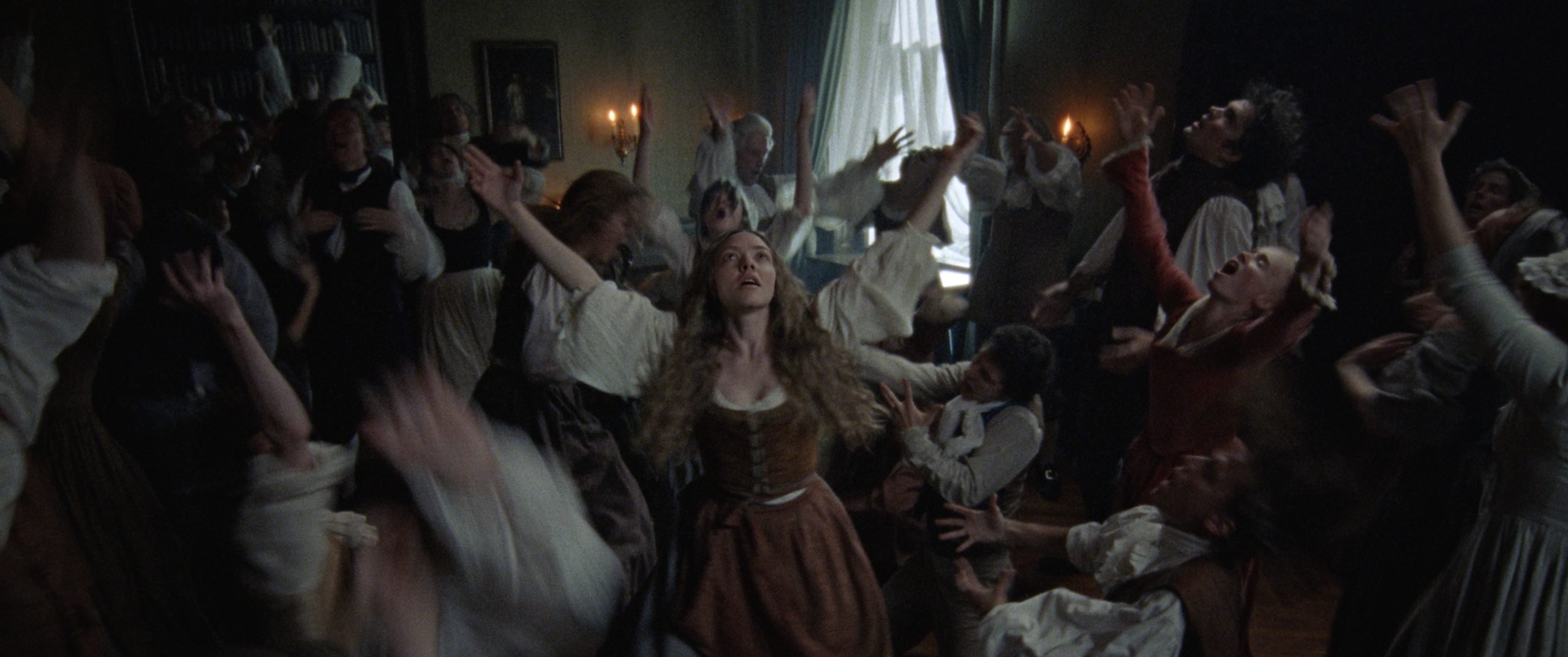
That’s what I think is fabulous about Nia’s work. Every time she does something, it’s very different, and what I loved about Hedda is how unexpected it was and taking a theater piece that is meaningful, very serious, but with everything turned on its head, from the performances to the costumes and production design. It’s brilliant. Then of course, we love the Chicago connection with her making the remake of Candyman.
We’re also really excited about Euzhan Palcy, with a new restoration of Sugar Cane Alley, which is in so many people’s Top 10 lists, including President Obama’s. It’s a beautiful restoration, and that she can be with us—she’s such a groundbreaking filmmaker in so many ways, and it’s a privilege to play it with her in attendance and celebrate her career.
Alright, moment of truth here. If you want to go category by category, that works. What are the films that people should see that might not be on their radar just yet?
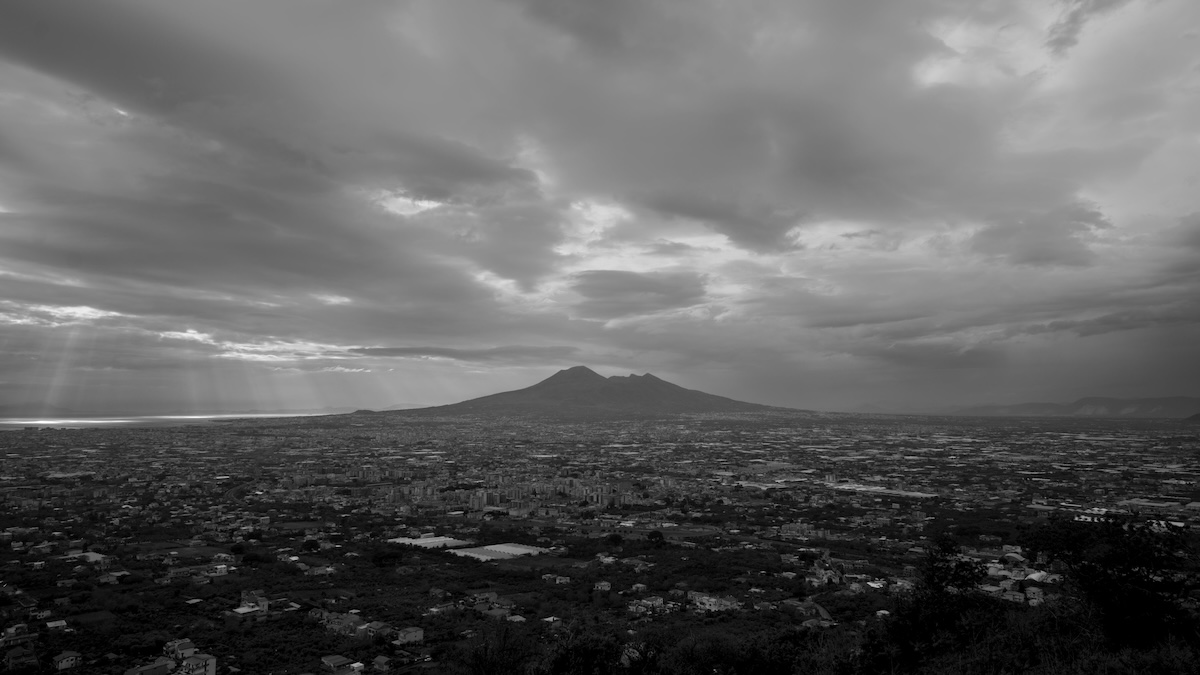
There are so many great docs this year, including the Opening Night film. For out-of-competition docs, I’d love to talk about Below the Clouds. Gianfranco Rosi will be returning to the festival with this film that I saw in Rome in July, and it’s mesmerizing and he’s a brilliant filmmaker, the way he puts together this portrait of a place. But it’s so multilayered with the stories that are told with a sense of what it means to live in the shadow of Mount Vesuvius, with the weight of history and disaster. It’s also such a distinctive community that is very much formed by its history and location. The images are beautiful, and the editing interweaves all of these stories that really bring you to that place.
With the documentaries, when we were looking at the themes that came up, we saw films about relationships between parents and children, and they could be personal or just a filmmaker looking at that. And The Beauty of the Donkey goes across three generations. There’s also My Father and Qaddafi, which is a personal doc, and The Tale of Silyan is also about a parent-child relationship. Child of Dust is about this whole generation of children born in Vietnam, who had American fathers in the service and had completely lost connection with the fathers when they left the country. So part of the film is about their complicated place in Vietnamese society, but there’s also this lack of the father figure for so many. It’s by a Polish filmmaker, so you have this filmmaker coming from the outside to tell this story, and it’s reflecting back on an important war in America’s history and legacy of it from a very different perspective. And the film follows this U.S./Vietnamese man who the U.S. is trying to match with his parent through DNA testing. It’s quite emotional but in the best possible way.
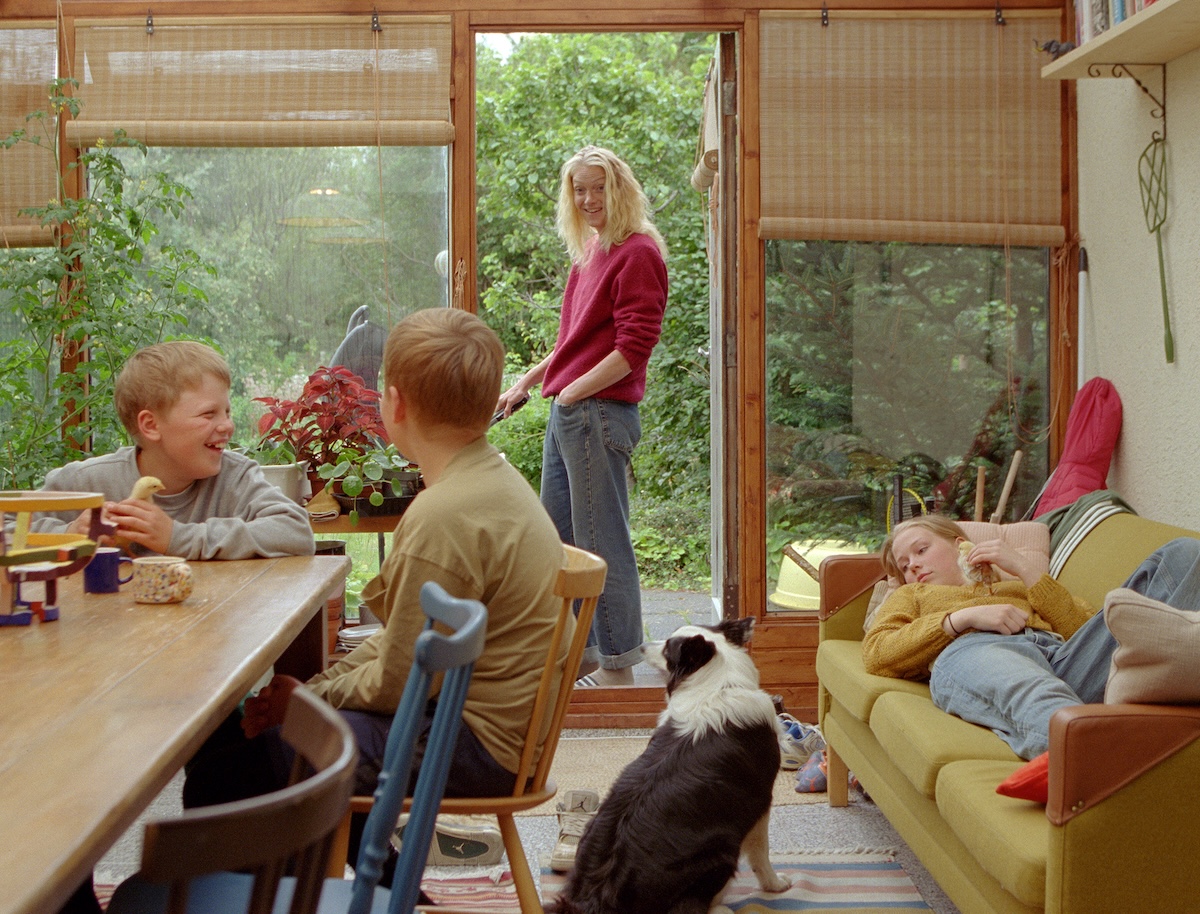
In particular with the Outlook category, I love the range of films this year. It feels like so many stylistically and thematically different types of story—really outside the box, like A Useful Ghost or Bouchra or Two Times João Liberada, really thoughtful, unique films, sometimes beyond categorization. One film that really moved me was Strange River, which is also showing in our New Directors Competition; it’s an unconventional road movie, because they’re on bicycles, and it’s a Spanish family that takes a trip through Germany. There are three boys, and one is going through the process of connecting with his own sexual identity, and what does that mean for his familial relations. They’re riding along the Danube River, which is this border between realism and something magical; it’s really beautiful, subtle, emotional, with a sense of mystery at its heart.
The New Directors competition is the one that is the most dear to me. It’s such an exciting part of the festival because all of the films are incredibly strong, but we often feel with a filmmaker early in their career, they are establishing their own voice but they’re also willing to take unique risks in their filmmaking. All of the films in that program do that in ways that are really exciting. I’d love to talk about Ish, by a British filmmaker who’s a visual artist. We don’t see that many films about young male friendships. This is comin-of-age, but it’s centered around this bond between these two young men. They’re from this place just outside of London, something of a community on the margins, close to an airport. Besides that, there’s this joyful celebration of childhood friendship—the boys are out on their bikes all the time and going to the pool, setting up tents in the forrest. Then of course, everything changes when Ish, who’s from the South Asian community, his mother has recently died, so the family is in crisis but coming together. While the other boy is from a Palestinian family that is a much harsher environment. And one day, there’s a stop and search by the local police who pull the one boy over, and Ish flees, not knowing what to do, and that greatly challenges their friendship. In the background of the film, there are news reports about protests in London, and suddenly you’re confronted by the stresses of what it means to be a brown boy in England. It’s one of my favorites in this competition.
In the International Competition, we have a lot of returning filmmakers whose work we’ve shown. We have two film by Radu Jude: Kontinental ’25 is brilliant and more straightforward than Dracula. We also have The Love That Remains, and one of the things I love most about Hlynur Pálmason, whose previous film, Godland, won the Gold Hugo, is that every film has a different sensibility to it, different settings, themes, genres that he approaches. But this film was the first film I saw at Cannes this year, and it tells the story of the dissolution of a marriage. It’s not like A Marriage Story; there’s conflict but things are more toned down as they try to work through a situation that is very painful and difficult, but there’s still love at the heart of it that binds the family together.
In the After Dark section, New Group is this super offbeat take on body horror. There are these interesting gymnastic formations that the students start to build and construct, and it’s about the menace of group think and conformity, and what does it take to stand up to that. It’s such a unique film in the way that that idea is explored through the body.
In the Black Perspectives category, a lot of what we’re showing from the U.S. are really strong documentaries, liked Seeds, True North, and Sun Ra: Do the Impossible. But then we have Cotton Queen, which is in our New Directors competition, which also uses magical realism to explore familial and social issues, and this is one of them. It’s a great story of a young woman from a community that is more matriarchal. There’s a post-colonial undercurrent to all of it. And it’s a community producing the purest cotton in the land, and it’s a question of how do you preserve that, and there’s a matriarch who’s intent on preserving that, and she’s an iconic leader in the community for the ways she stood up against the British. But then there’s a young British man who comes in and wants to modernize the cotton production in a way that would threaten a way of life, and it doesn’t provide any guarantees for the future. So this young woman harnesses the power that her grandmother had to stand up to that.
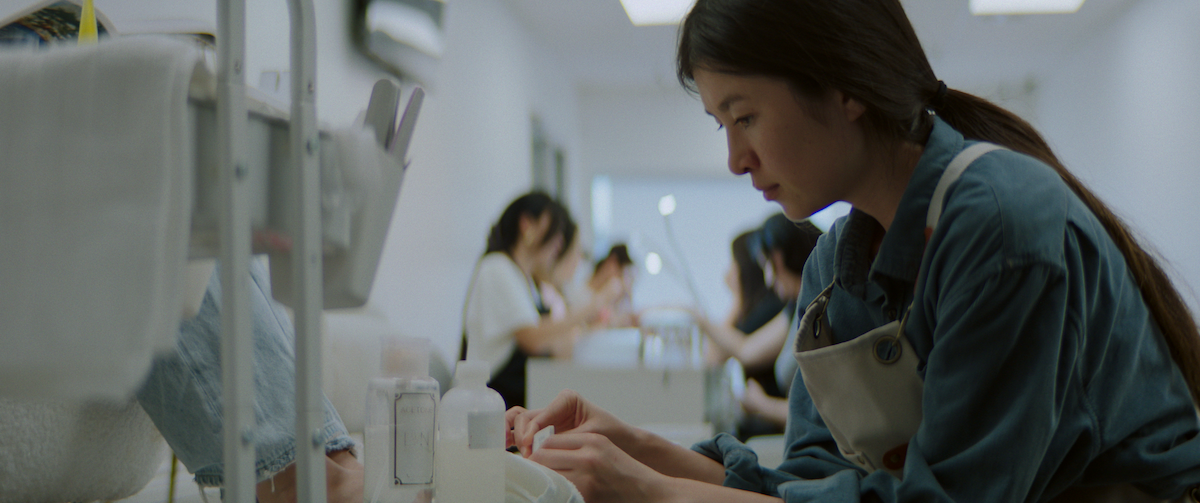
Our City/State program feels decidedly international, which is great. We have James Choi’s new film , which is set in Korea, but there’s a film we’re World Premiering, set in Chicago called Only Heaven Knows, but it’s by a director from Kyrgyzstan. The setting is in the Kyrgyz community in Chicago; this is an immigrant story. It’s a community I don’t think we’ve had much connection to or access to, and it tells the story of a prodigal son who gets into gambling debt, and the impact that has on his wife and choices that are made. An incredible feature debut, and we found out from the director that the Central Asians actually refer to Chicago as Chicago-stan, because of the large number of Central Asians living in Chicago.
We should mention that there are 23 films we’re playing that are the Oscar contenders from their countries. That’s not necessarily something we set out to do, nor do we attempt to make those guesses, but we really do believe in them. Additionally, there are two films that were in last year’s festival that are contenders this year.
The Chicago International Film Festival runs October 15-26 at various locations across the city. Visit ChicagoFilmFestival.com for details, and follow along with all of our Chicago International Film Festival coverage.
If you enjoyed this post, please consider supporting Third Coast Review’s arts and culture coverage by making a donation. Choose the amount that works best for you, and know it goes directly to support our writers and contributors.
