This review is part of our ongoing coverage of the 2026 Sundance Film Festival.

The latest impactful and emotionally charged documentary from director Dawn Porter (John Lewis: Good Trouble; Luther: Never Too Much) opens with author Ta-Nehisi Coates (also an executive producer) recounting his memories of growing up in the early 1980s in Baltimore and hearing about a 14-year-old boy who was murdered in middle school for his jacket. It was a story he told frequently to people over the years, and upon revisiting the case, he discovered that not only were the three teens who were convicted for the crime innocent but that misconduct on behalf of the Baltimore police and judicial system resulted in the three accused going to jail for 36 years, mostly based on the false testimony of child witnesses who were coerced and threatened by the police.
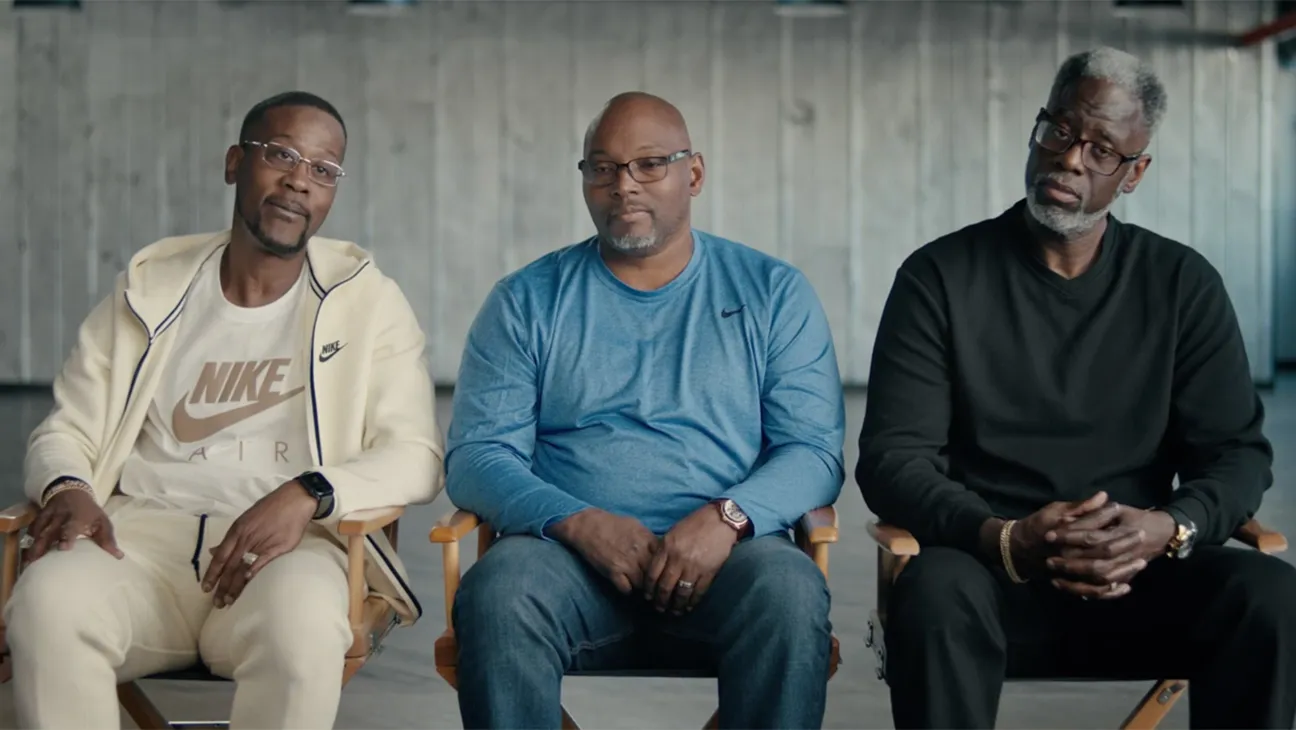
While Coates’ recollections serve as a framework for When A Witness Recants, he doesn’t appear in the film as anything more than a commentator well versed in this story. Wisely, Porter allows the falsely convicted men to have their own voices as they detail every step of this horrifying process that resulted in them losing the most important years of their lives. But incredibly, one of the witnesses (who was barely a teen at the time) is also interviewed about his part in the false testimony, culminating in an unexpected sit-down meeting with him and the three innocent men that does not go as you might expect.
The shooting was the first murder inside a Baltimore public school, and the image that most people have of the city as the poster child for urban violence is essentially kicked off because of it, a fact that Coates resents deeply. But what Porter is more interested in is how something like this egregious miscarriage of justice could happen in the first place and how common it was at the time. Perhaps answering that question, in the years leading up to the three men having their case re-examined, a division of the DA’s office was created to investigate suspected prosecutorial misconduct cases, and the people in that division say they had never seen a case that fit that definition as blatantly as this one.
While When A Witness Recants’ most powerful moments are with the three men, some of the most unnerving footage is of the primary investigating police officer giving more recent testimony about how he handled the case, and his disturbing statement that he wouldn’t have handled it any differently today. The shades of racism that run throughout these events are obvious, although it’s almost never explicitly mentioned; Porter allows actions to speak louder than words and she also lets context speak volumes. These men were not only not killers; they were carefree, good kids in the early 1980s, a fact the media at the time didn’t bother to investigate. (Rest assured, Porter’s condemnation of the local news organizations at the time—by simply showing the footage—is fierce as well.) The film will likely infuriate most viewers and rightfully so. Porter’s narrative power is undeniable, and you will remember these stories long after the movie is done.
If you enjoyed this post, please consider supporting Third Coast Review’s arts and culture coverage by making a donation. Choose the amount that works best for you, and know it goes directly to support our writers and contributors.
