The documentary Food Roots was screened at AMC River East on May 19 as a benefit for Common Threads, a national nonprofit that shares cooking and nutrition education with families (details and donations here). The organization has served one million students, given five million meals and offered seven million hours of food education since 2003.
The hour-long film (also available to stream on PBS) records restauranteur Billy Dec’s journey to reconnect with his Filipino roots, produced by Oscar-winner Doug Blush (20 Feet from Stardom) and directed by Emmy Award-winner Michele Josue. The presentation was followed by a Q&A with chef colleaguel Art Smith, when Dec celebrated the fellow Asian master chef who was profiled in Jiro Dreams of Sushi.
Dec, founder of Sunda New Asian (with locations in Chicago’s River North, Detroit, Nashville and Tampa), COACT marketing agency founder, former White House AAPI advisor and sometime actor, traveled by plane (24 hours from the States), boat, motorcycle, jeepney and foot across the 7,641 islands of his mother’s homeland. There, he recharges and reflects on some family losses by visiting his relatives, who are aging in place since there aren’t many nursing homes there. His relatives pass down generational recipes and techniques for cooking many pork dishes, as well as an abundance of local fish and fruits, which Dec then integrates into his award-winning culinary toolbox.
Dec had originally wanted to film this voyage (with some segments shot by “renegade kids and drones”) to document these recipes, since most don’t use traditional measuring devices. But then he decided to share the movie at large, since “hospitality is a way of caring” and the US and Philippines continue to share a close relationship (especially after the 1898-1946 occupation). The trip also became a type of therapy to deal with the deaths of his dad and brother mere months apart, as Dec’s sister Leilani recounts in interview segments.
The deeply personal, warm, and bittersweet film chronicles Dec’s visits to major cities, remote villages, and mountaintop dwellings to reconnect with distant family members, like his lolas (the Tagalog word for grandmother, derived from the Spanish abuela), to learn their cooking hacks and integrate those tastes and experiences into his immigrant-identity-influenced cuisine. Food is the cauldron of culture, and this film captures that delicious history for the ages.
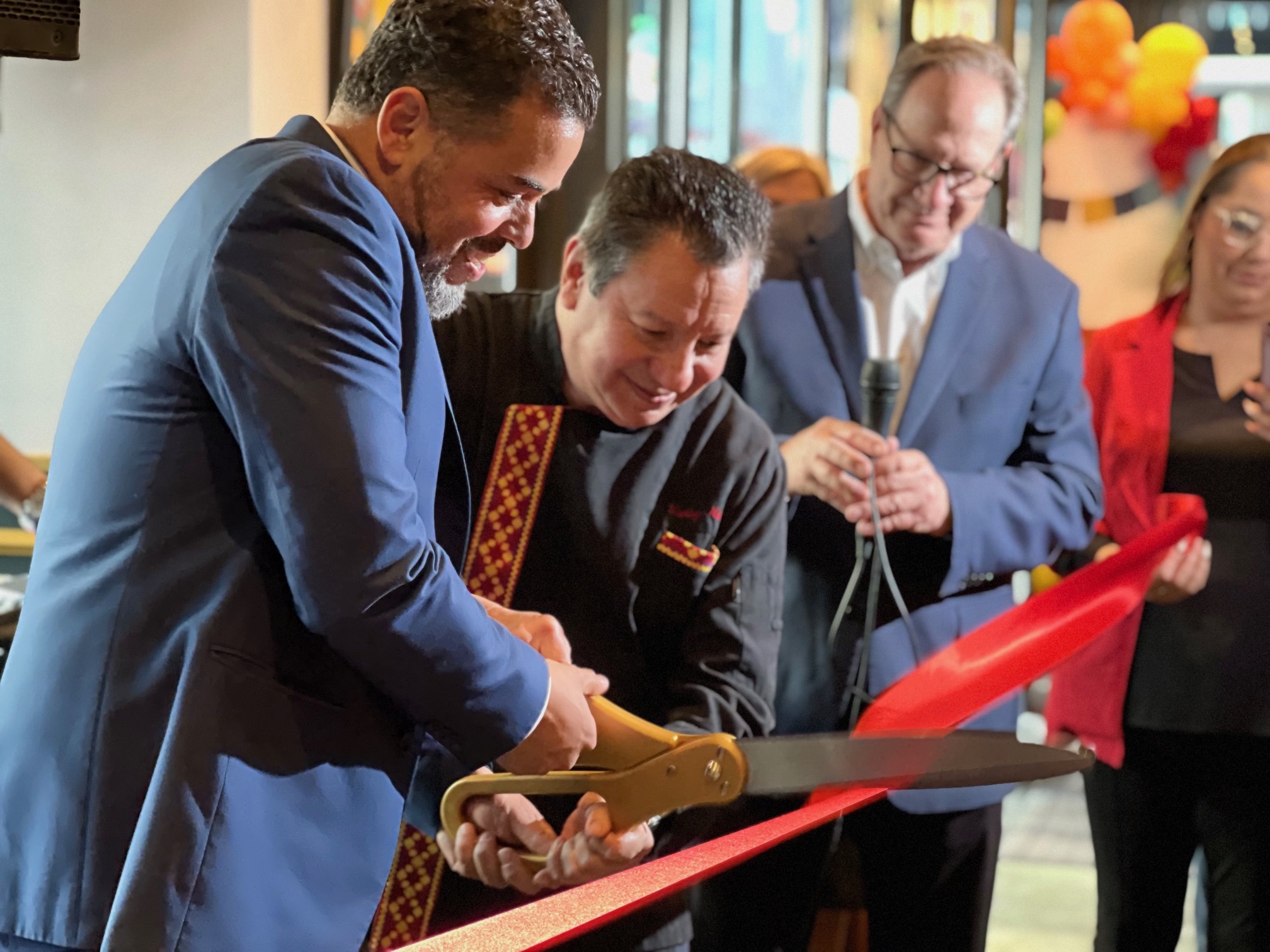
For more Spanish-diaspora cuisine, check out the newly opened Mexican Radio restaurant at 100 W. Monroe in Chicago's financial district, which is open for breakfast (featuring café de olla, traditional Mexican spiced coffee, and concha sweet bread), lunch, and dinner, plus Happy Hour with tacos and mezcal flights.
The cuisine is inspired by the Oaxaca, Puebla, and Yucatán regions and beyond, showcasing mole negro and spicy salsas, al pastor trompo, seafood offerings, and craft margaritas. Chef Dudley Nieto from Puebla, Mexico, brings his 25 years of experience and French precision to a rotating monthly menu. This bright Art Deco space is located at the corner of Clark Street and features colorful murals by local artists in the dining room and bar, as well as a patio.
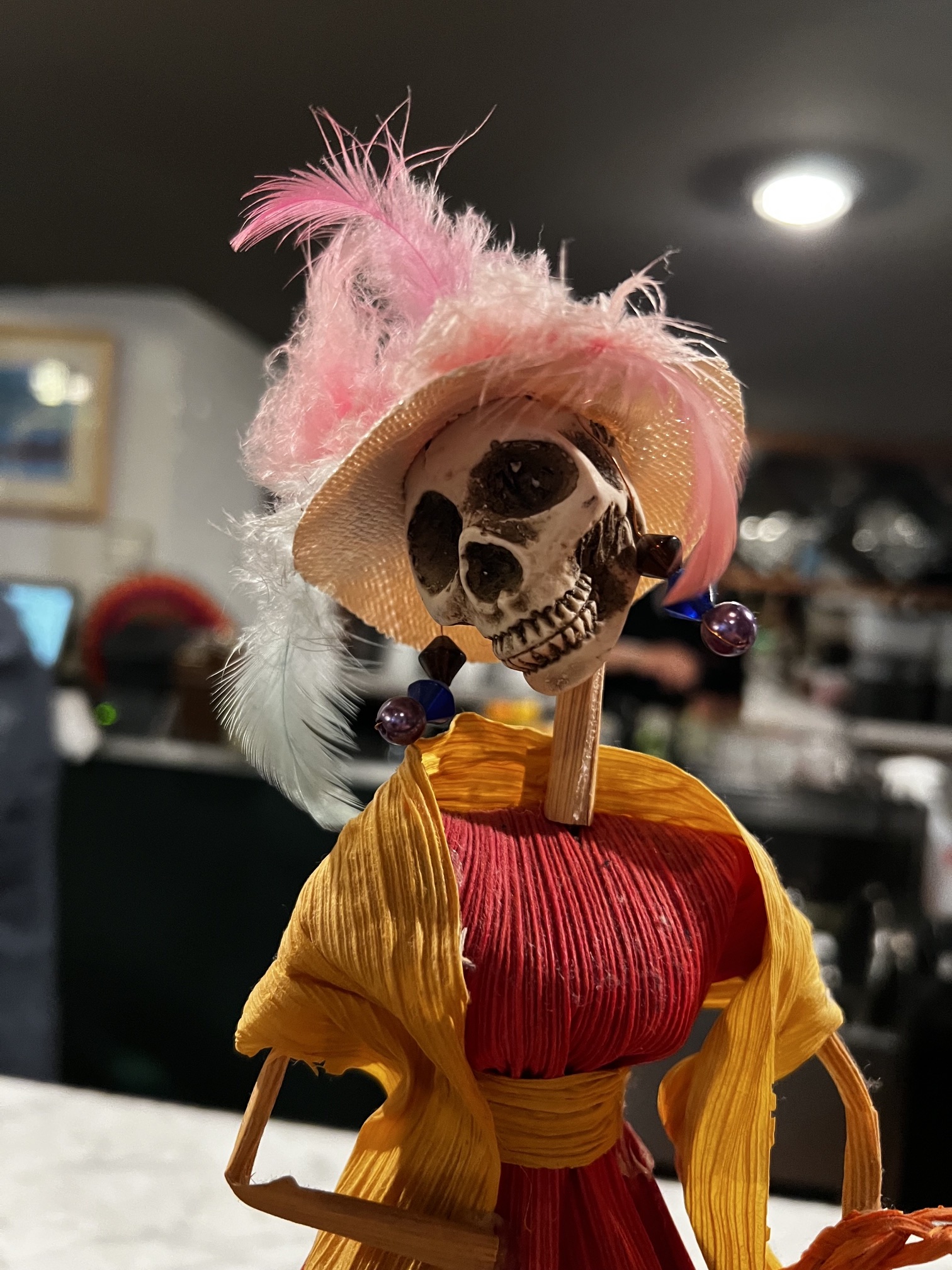
Featured at Mexican Radio’s opening event on May 20 was a tasting of El Chapu Linero artisanal mezcal products, expertly curated and explained by Mezcalier (and Agave Guru) Adam Seger of a2z Imports.
All tequila is mezcal, but not all mezcal is tequila. Mezcal refers to all agave-based liquors, with differences among plant types (many agave plants take 20 or more years to mature), regions (important to track for terroir-driven flavor profiles), and production methods (above- or below-ground). Tequila, perfect for margaritas, is always made from Blue Weber Agave, while mezcal is primarily made from the Espadín variety among 30 other types.
Tequila is regulated to be produced only in five Mexican states, notably Jalisco, and mezcal is primarily made in Oaxaca (though it is also allowed in nine states overall). Tequila is distilled by steaming piñas (agave hearts) in above-ground ovens, whereas mezcal is produced by roasting piñas in underground volcanic rock pits, infusing an earthy flavor. Because of mezcal’s complexity, with notes ranging from floral and fruity to smoky, it can be sipped neat as well as mixed into cocktails.
Produced in Santa María Ecatepec, Oaxaca, Mexico, head distiller Fernando Perez at Destilería Zurto created a spirit known for being tahona-crushed (using a massive volcanic stone wheel, pulled by burros or tractors, to gently crush the plants, maintaining natural sugars, earthy complexity, and minerality), fermented in pine, and double-distilled in copper.
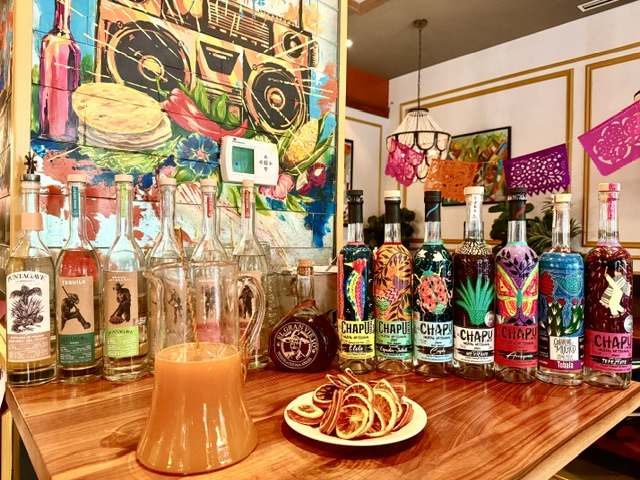
Seger’s row of bottles was first a visual treat, featuring gorgeous, brightly colored bottles, each hand-painted. El Chapu mezcal flavors, ranging from 90 to 96 proof, include: Espadín (notes of honey, apple, and mineral), Espadín-Jabalí (tropical fruits, minerality, and spices), Elote (roasted corn and vanilla for smooth mouth feel), Tepeztate (herbs, peppers, fruits), Cuishe (fruity and grassy), Tobalá (tropical fruits, citrus, and florals), Arroqueño (tropical fruits, citrus, spices), and Mexicano (stone and tropical fruits, herbs, and spices). Try them all...responsibly.
This coverage was made possible by a promotional invitation. Our opinions and editorial choices remain entirely our own.
Support arts and culture journalism today. This work doesn't happen without your support. Contribute today and ensure we can continue to share the latest reviews, essays, and previews of the most anticipated arts and culture events across the city.
