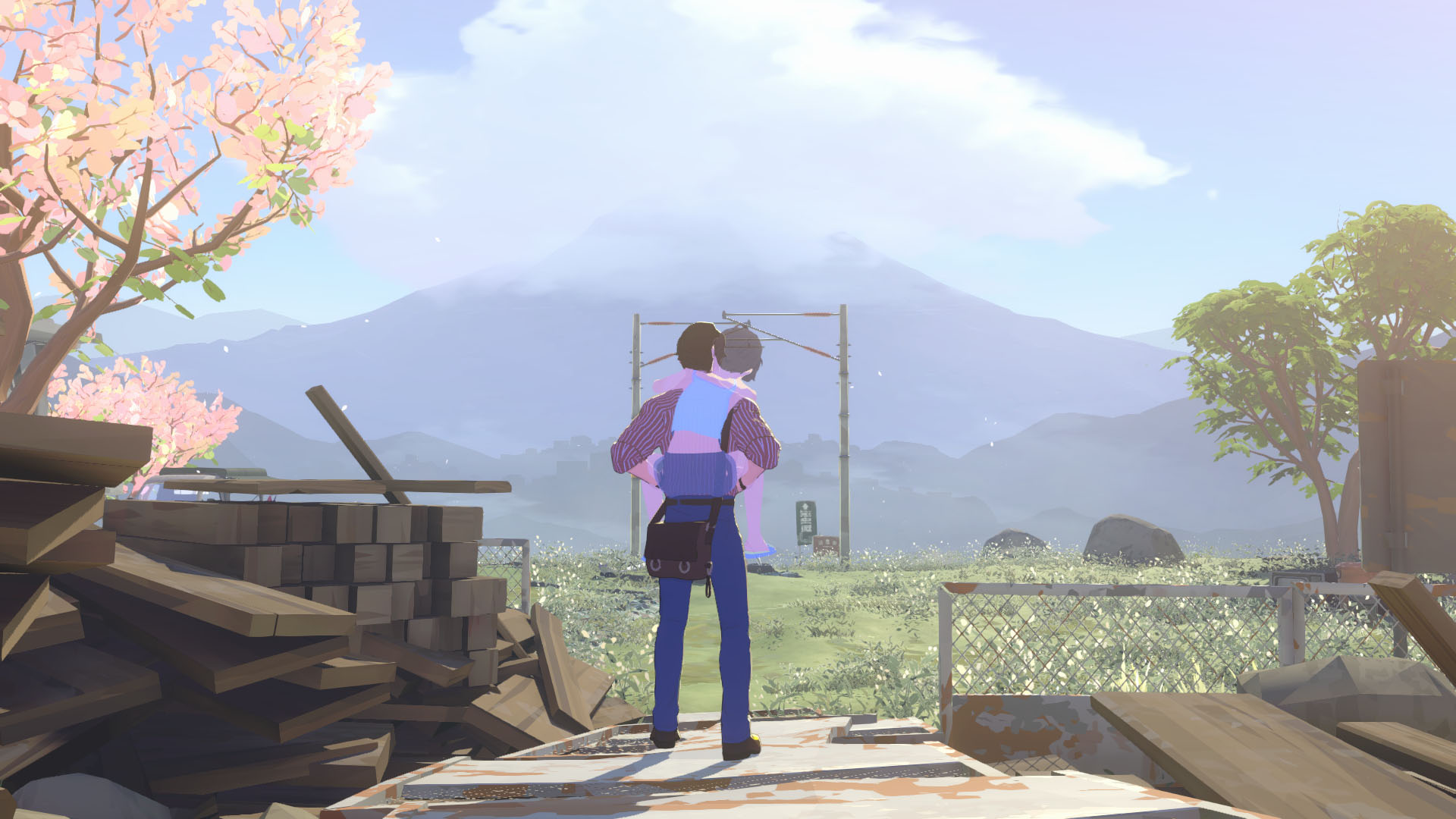
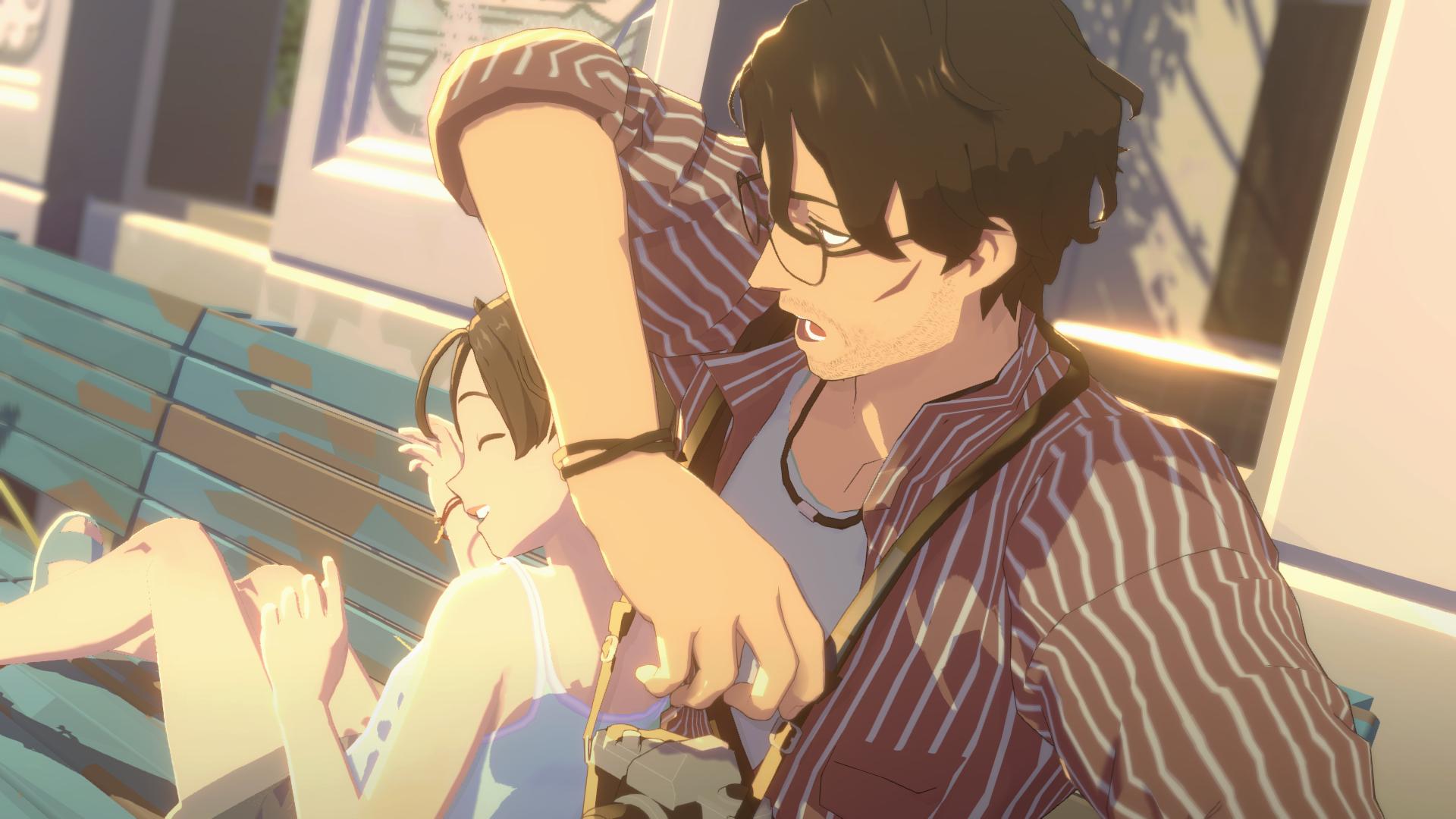
There’s a part of me that associates video games with platformers and shooters, despite the fact that I spent a chunk of my childhood playing narrative-heavy games like OPUS: Prism Peak. While I’d never heard of the OPUS series of visual novels before, I’m glad I got in at Prism Peak—though, as far as I can tell, the OPUS games aren’t directly connected, since the other three games deal with sci-fi elements. Prism Peak, on the other hand, deals with a very human journey while incorporating spirits and Japanese folklore elements to tell its very earth-grounded story.
In OPUS: Prism Peak you play as Eugene, a 40-year-old photographer. In his own mind, he’s a failure with a failed marriage, a failed business, and a string of social shortcomings that leads him to believe he leaves only misery and heartbreak in his wake. Eugene is, therefore, like most 40-year-olds who have dealt with their fair share of being alive and accumulating experiences, both good and bad. Instead of having a normal midlife crisis like the rest of us (see: my growing collection of retro video games), Eugene crashes his car in a tunnel after getting caught in a dense fog. For anyone who’s seen Japanese-influenced media, you know that means a journey into a spirit realm, and you’d be right.
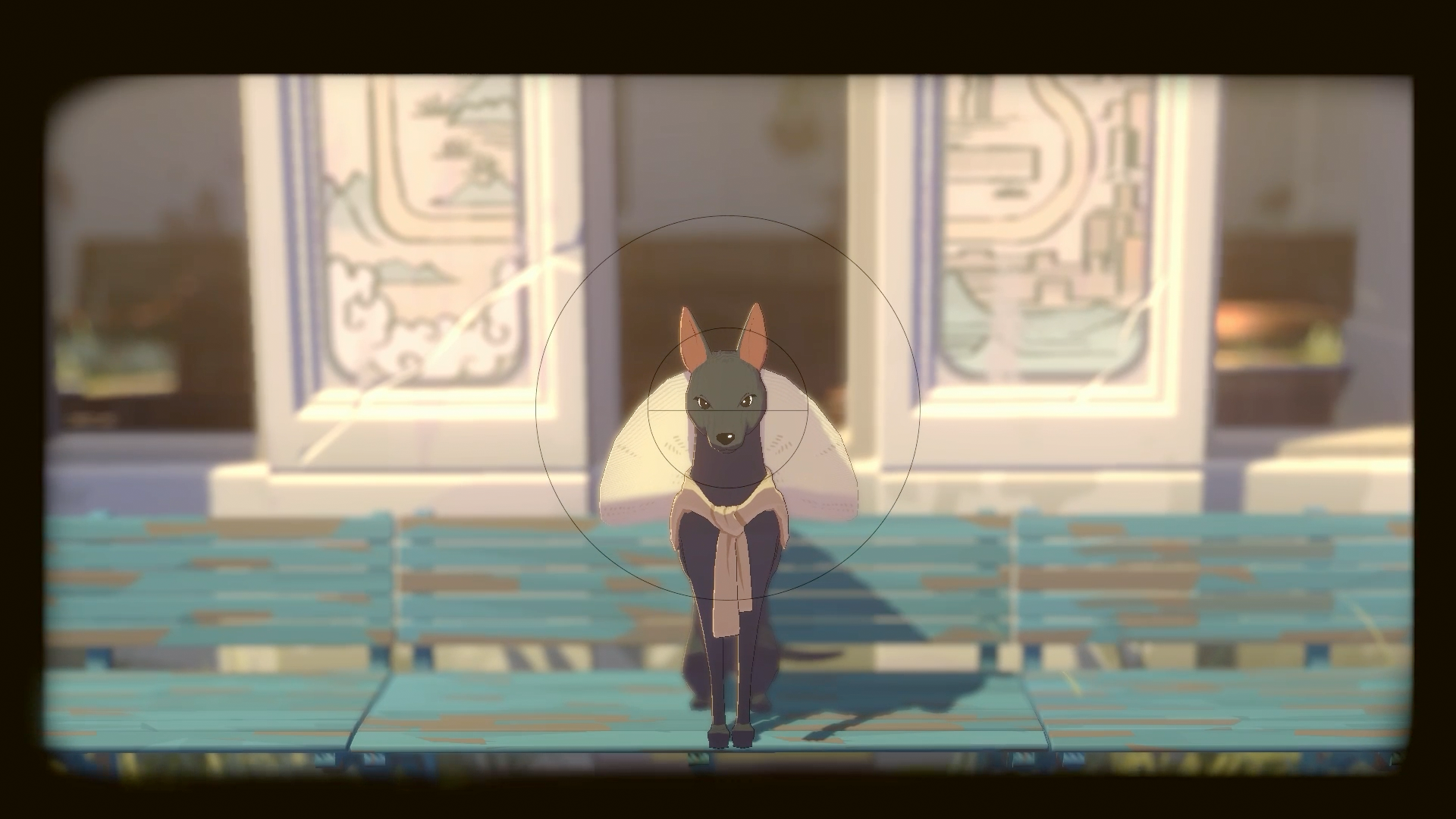
Prism Peak is a visual novel, which means a heavy emphasis on narrative with fewer traditional gameplay elements. What gameplay does exist is centered around exploration and taking photos. In fact, for the handful of action sequences the game has, you mostly use your camera as a sort of weapon. But the vast majority of the time, you’ll be casually walking around, examining objects in the world, and interacting with a cast of different characters.
But Prism Peak isn’t okay with you just casually absorbing the story. Not only do you get a better ending if you do everything, but the game tests you on your knowledge as you progress. At least, I couldn’t help but feel like I was taking a test. Like most games of its kind, Prism Peak has a catalog system that allows you to take photos of specific items to get more information about the story, a certain character, etc.
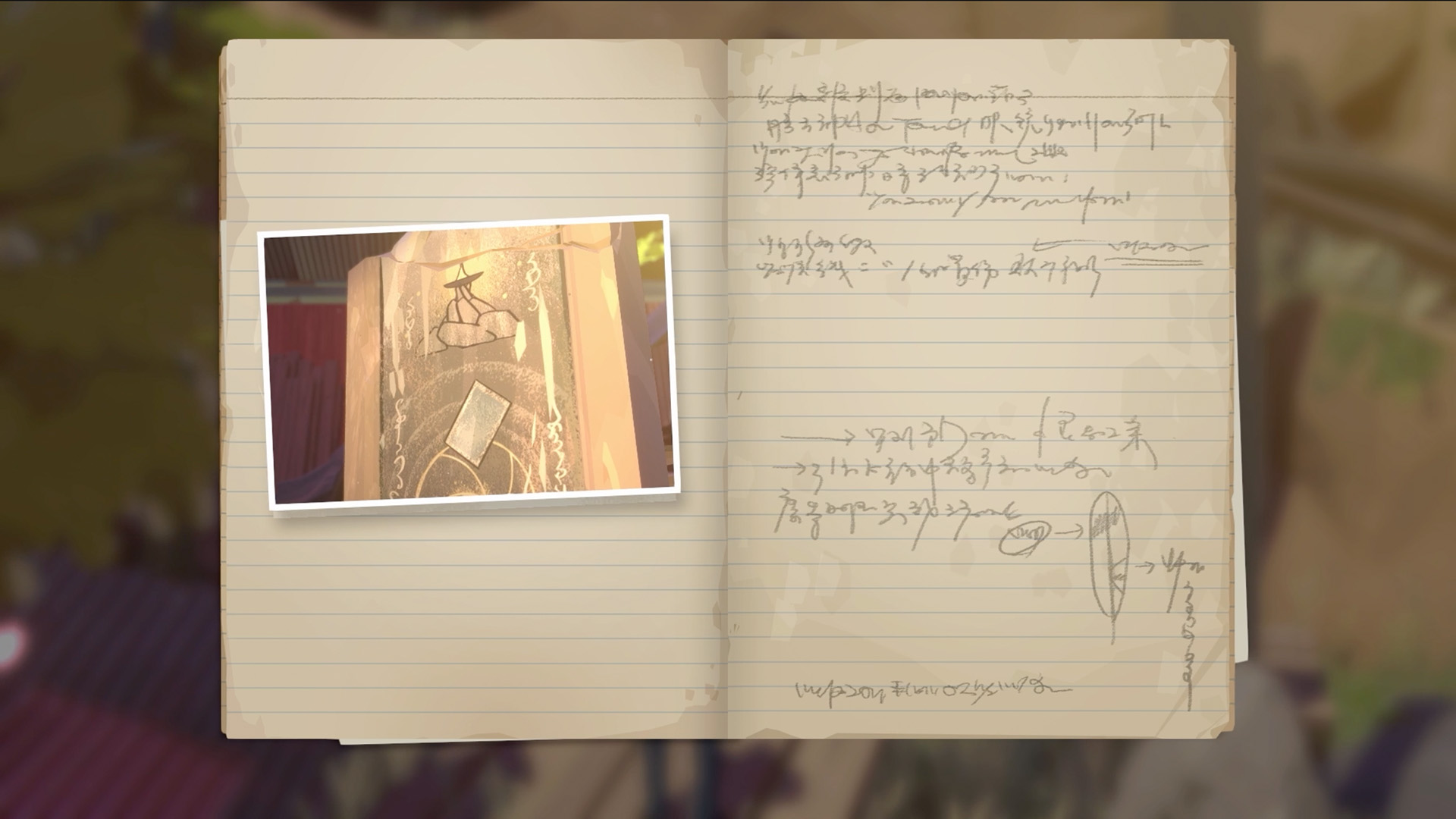
Except the notebook you carry doesn’t automatically fill in all the blanks; instead, you are tasked with filling them in yourself. Each time you make an attempt, you spend ash. You get ash from burning seeds at fires, and you get seeds from looking at points of interest. It’s an interesting economy that feeds into itself and ensures you’re interacting with the world and paying attention. There’s even a payoff at the end, with a "true ending" unlockable if you meet certain criteria that become obvious when you reach the conclusion of the story.
My favorite feature of the notebook is the alphabet. Throughout Prism Peak, you’re given names in an alternate spirit language that possesses its own alphabet. Figuring out what symbol corresponded with which letter or number was a highlight for me. I love cryptograms, and Prism Peak essentially has one at the core of its only set of puzzle mechanics.
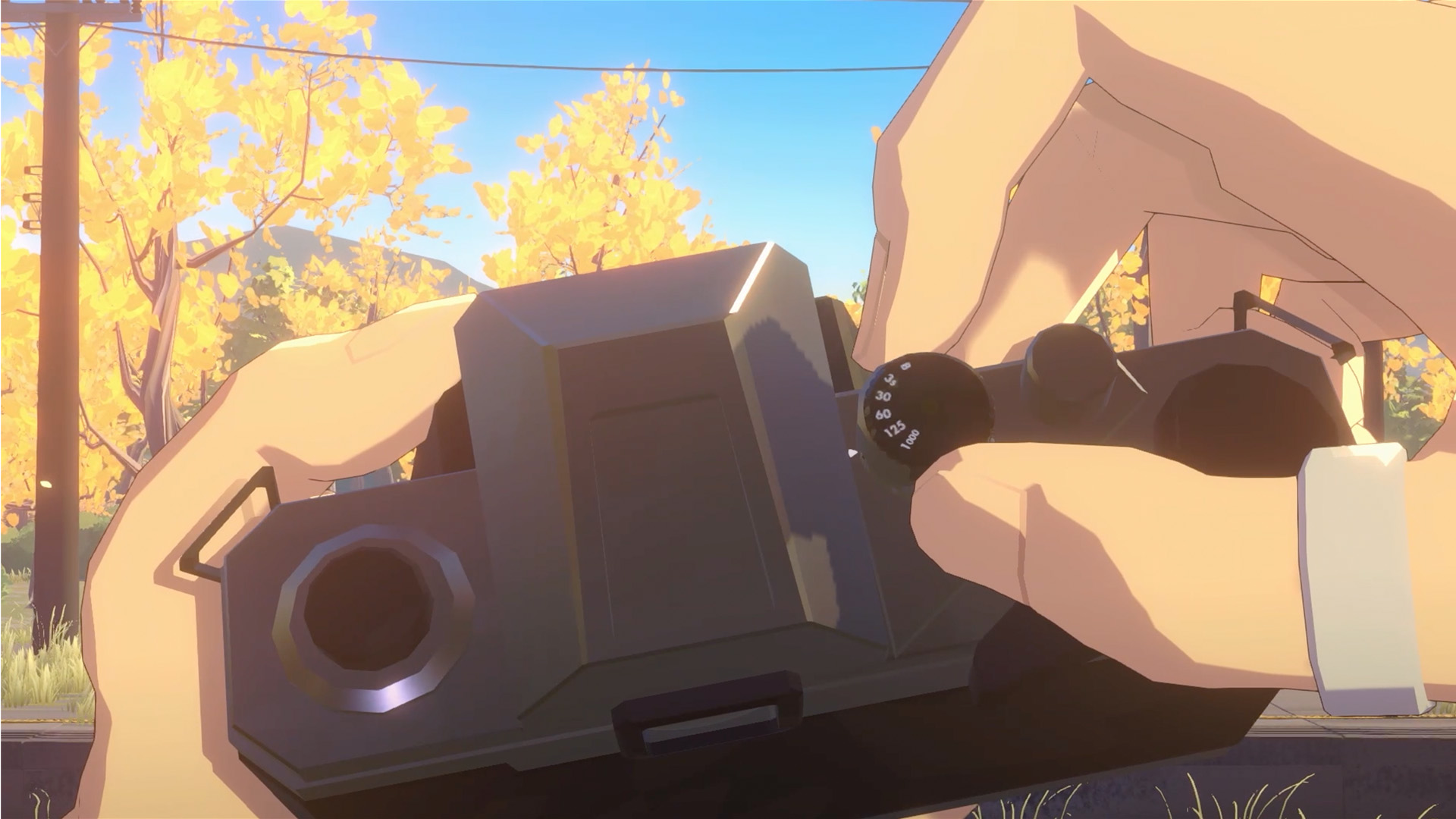
Photography is a big part of Prism Peak. You have a camera with you most of the time, and while you have to take pictures at certain mandatory points, you can also snap photos almost whenever you want. The photos you take are even incorporated into the storytelling and gameplay, which is something I haven’t really experienced before in a game. It’s a small touch, but one I got a huge kick out of.
Your companion through Prism Peak is Ren, a girl who seems to have trouble walking but has no problem being carried around like a backpack for hours on end. The relationship between Ren and Eugene is an important part of the story, but it serves more as an emotional anchor than a meaningful arc. I don’t want to get into any spoilers, but the cast of characters you meet on your journey are just as important as Ren. In fact, by the end of the game, I was still a little baffled by Ren’s purpose beyond invoking a fatherly instinct in the player and acting as a vehicle for the storytelling.
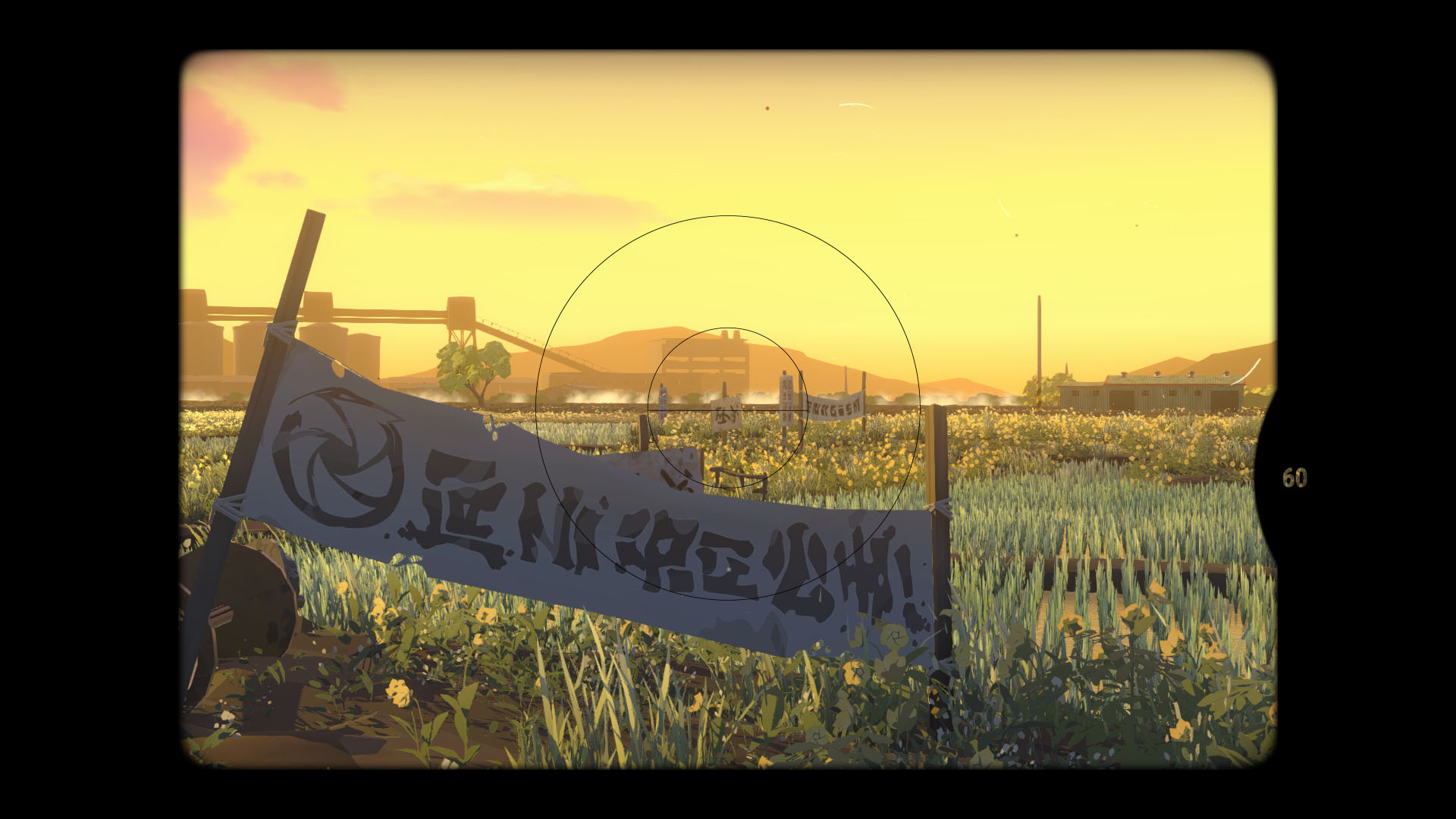
Despite its cinematic visuals and lack of puzzles or other conventional gameplay staples, Prism Peak is a great example of a story that works as a video game. The biggest difference between what a game like this can offer over an actual movie is the ability to kick around the bushes, see what’s under that rock, and just explore. It's still guided by what the developers want you to see and interact with, but you can linger in a way that film simply doesn’t allow. And it’s a game you’ll want to linger in.
OPUS: Prism Peak is a gorgeous game. You can probably gather that from the screenshots, but it consistently delivers beautiful visuals that add to the emotional depth of its story. One of the reviews on the Steam store page says Prism Peak "looks like a Shinkai Makoto film reborn as a video game." I’d have to agree—that hits the nail right on the head, with perhaps a dash of Studio Ghibli. If you like your visual novels taking place in a 3D world with gorgeous visuals, Prism Peak delivers.

While I enjoyed my time with the game, it’s not perfect. There were a few technical issues I hope get patched later. An FOV slider would be HUGE, since the default field of view is so low. Another great addition would be the ability to turn off headbob. Both of these features are essential for people like me who get motion sick playing video games. Luckily, I was able to sit far back with a controller and play, so I didn’t have any major issues.
I also had some issues with the choices you have to make throughout the game. There are conversational choices that will supposedly change a character’s outlook toward you, accompanied by a pop-up saying whether the character was disappointed in your response. Sometimes I felt like, no matter how hard I listened and tried to understand the character I was talking to, picking the "right" response was still a coin toss.
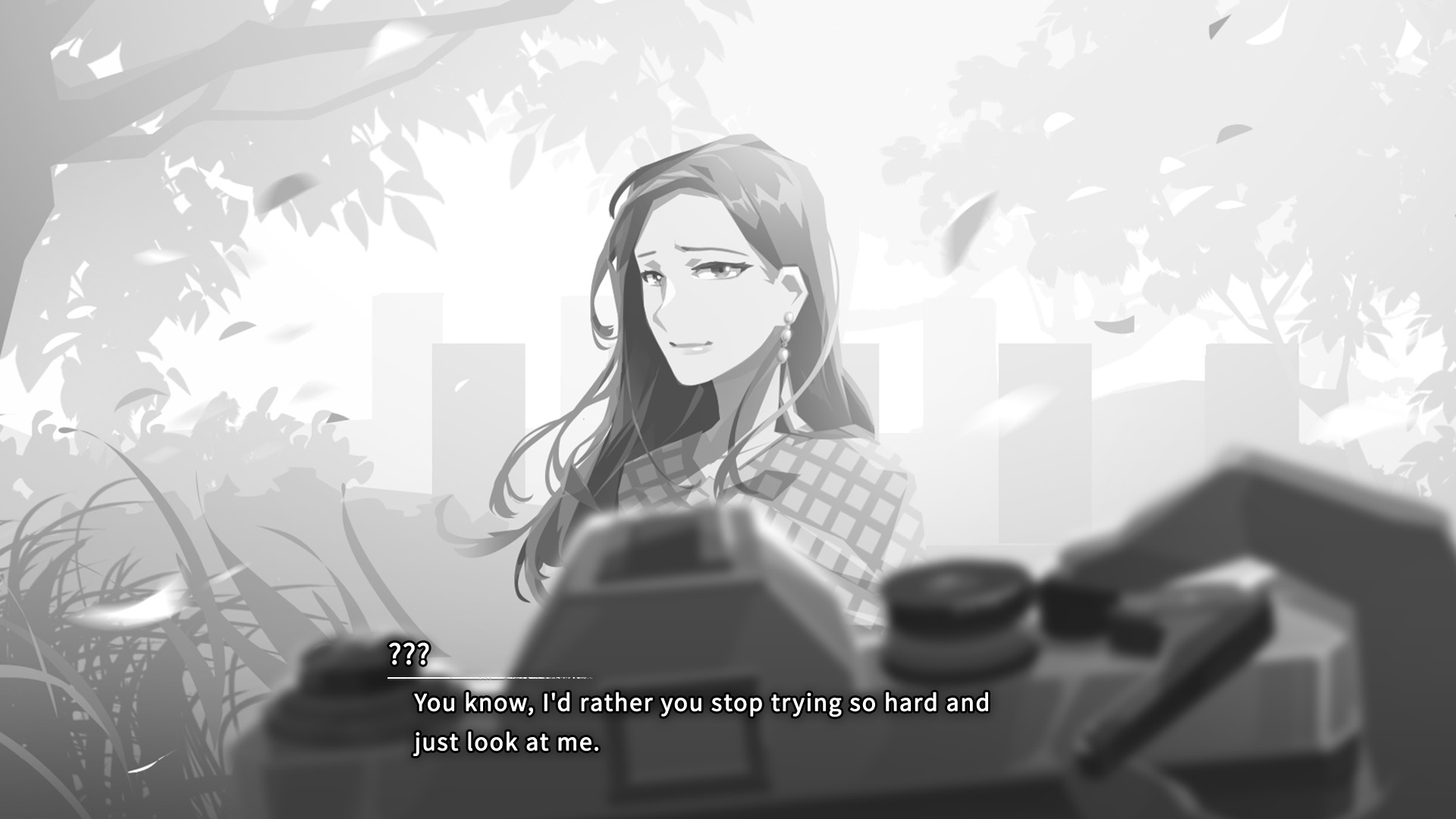
Ultimately, OPUS: Prism Peak is a beautiful game that emphasizes the need to be positive, to seek out beauty, and to recognize the power of friendships and lasting relationships. It deals with guilt and grief, but despite touching on some heavy subjects, it never wallows in them for too long or settles for just telling us how miserable Eugene is. I know there’s a “true” ending, and I know there are things I didn’t finish, but I won’t be going back to replay it—even after being bestowed items that let me skip scenes. Ironically, the game’s camera mode unlocks once you complete its main story the first time, bringing with it the ability to take pictures of Ren, though neither Eugene nor Ren will ever acknowledge that you did.
As far as visual novels go, OPUS: Prism Peak is easily the best I’ve played all year.
