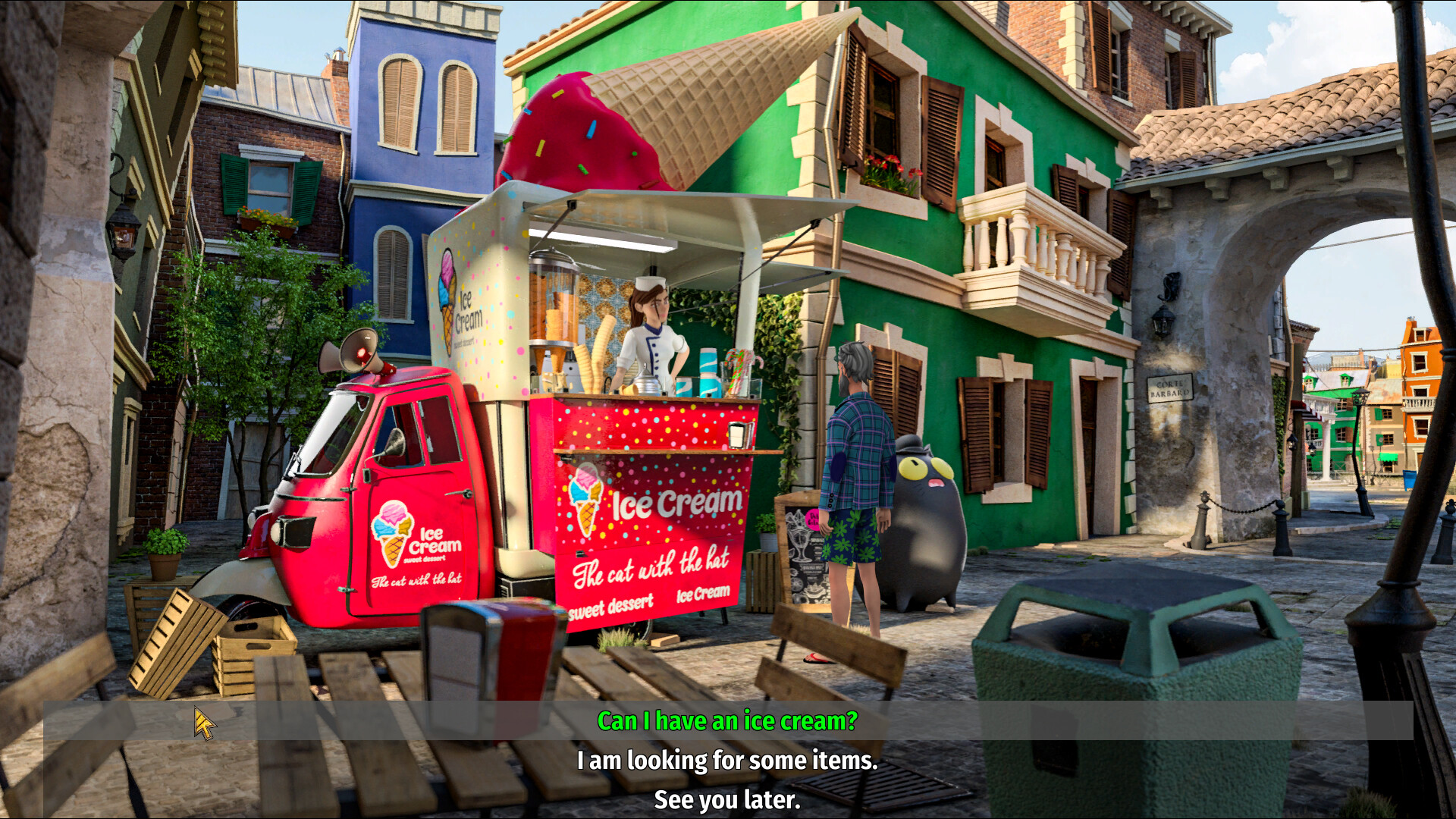
I’m a point and click adventure game expert, and I’ve been a huge fan of these puzzle-laced narrative adventures since I was a kid. Back then, gameplay storytelling was done differently, and if you wanted to play out a story you had to seek out specific experiences.
My favorite of the point and click adventure game types were those done by Lucasfilm Games (also known as LucasArts back in the day. I’m mentioning this because Whirlight—No time to Trip is a modern recreation of a LucasArts-era point and click adventure game. Exactly the type I adored as a kid.) There are even references to retro LucasArts/Lucasgames titles like The Secret of Monkey Island.
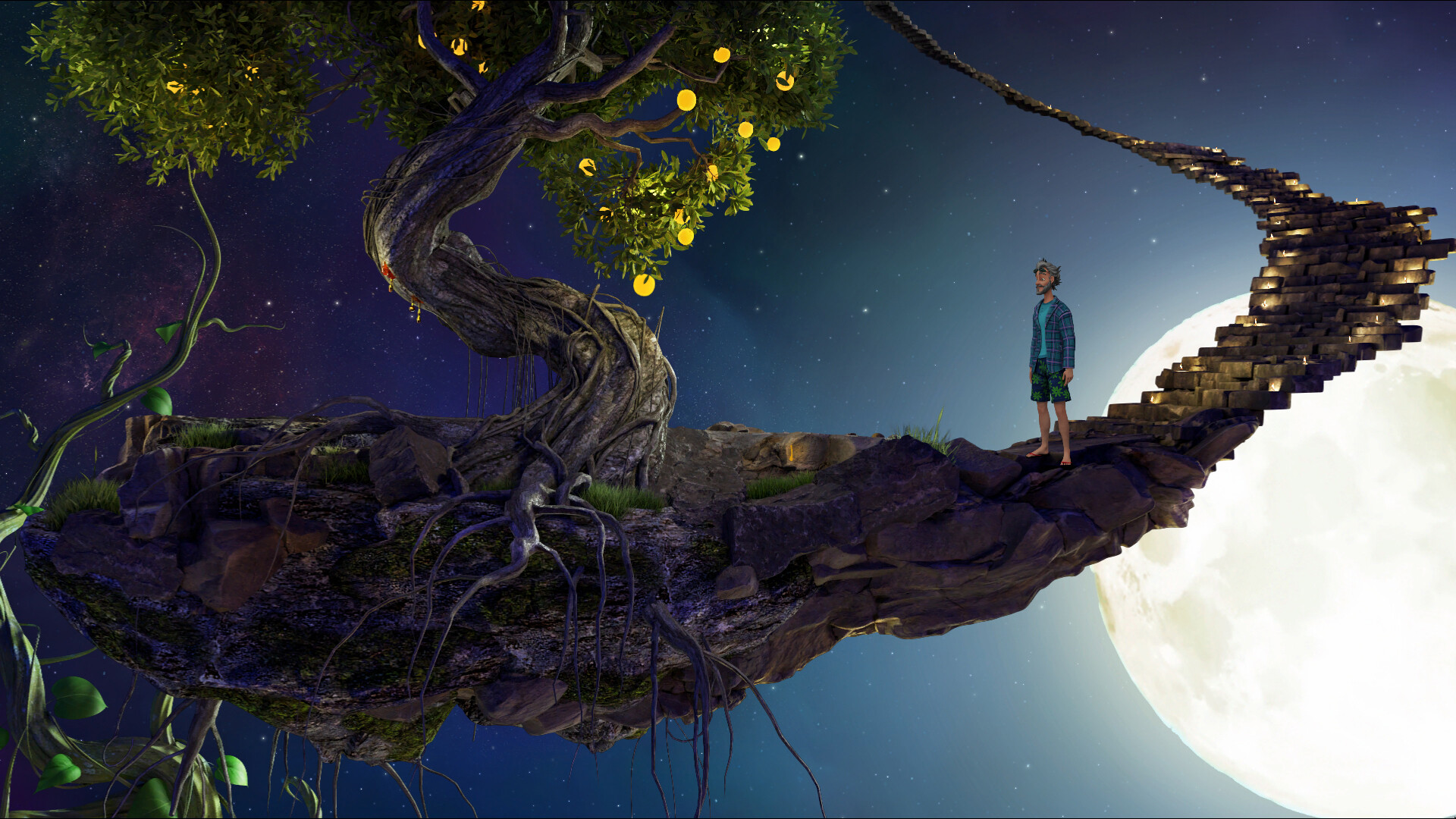
Monkey Island creator Ron Gilbert is famous for being both an outspoken critic and proponent of point and click adventure games. He argues that point and click adventure games need to be nostalgic and cater to a niche audience. While the latter is somewhat true, I feel like Whirlight actually succeeds because of its ability to make nods to its inspirations while being wholly its own thing–just with mechanics that were created and refined through decades of point and click game, which have always been around, even as the genre became increasingly niche.
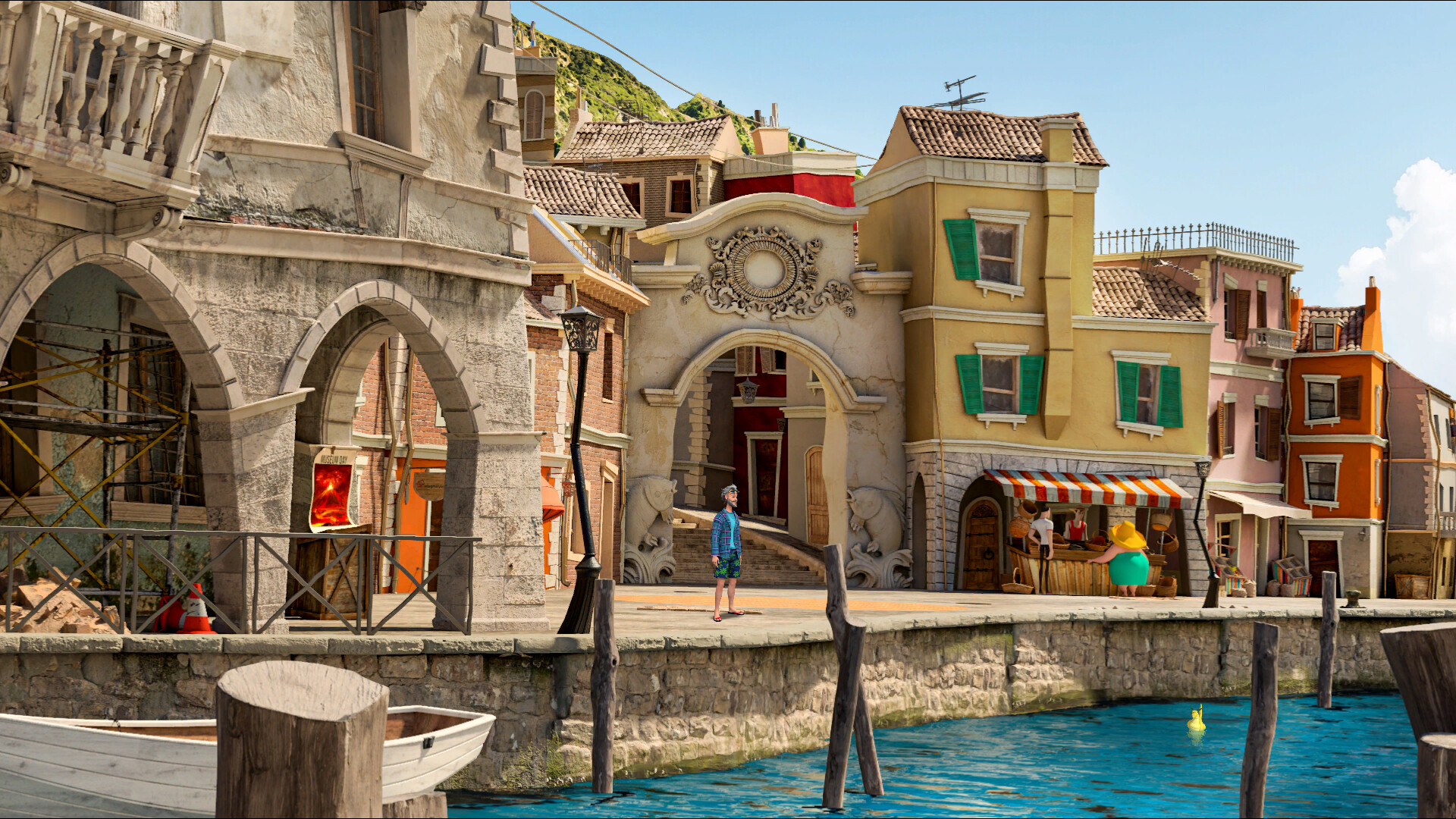
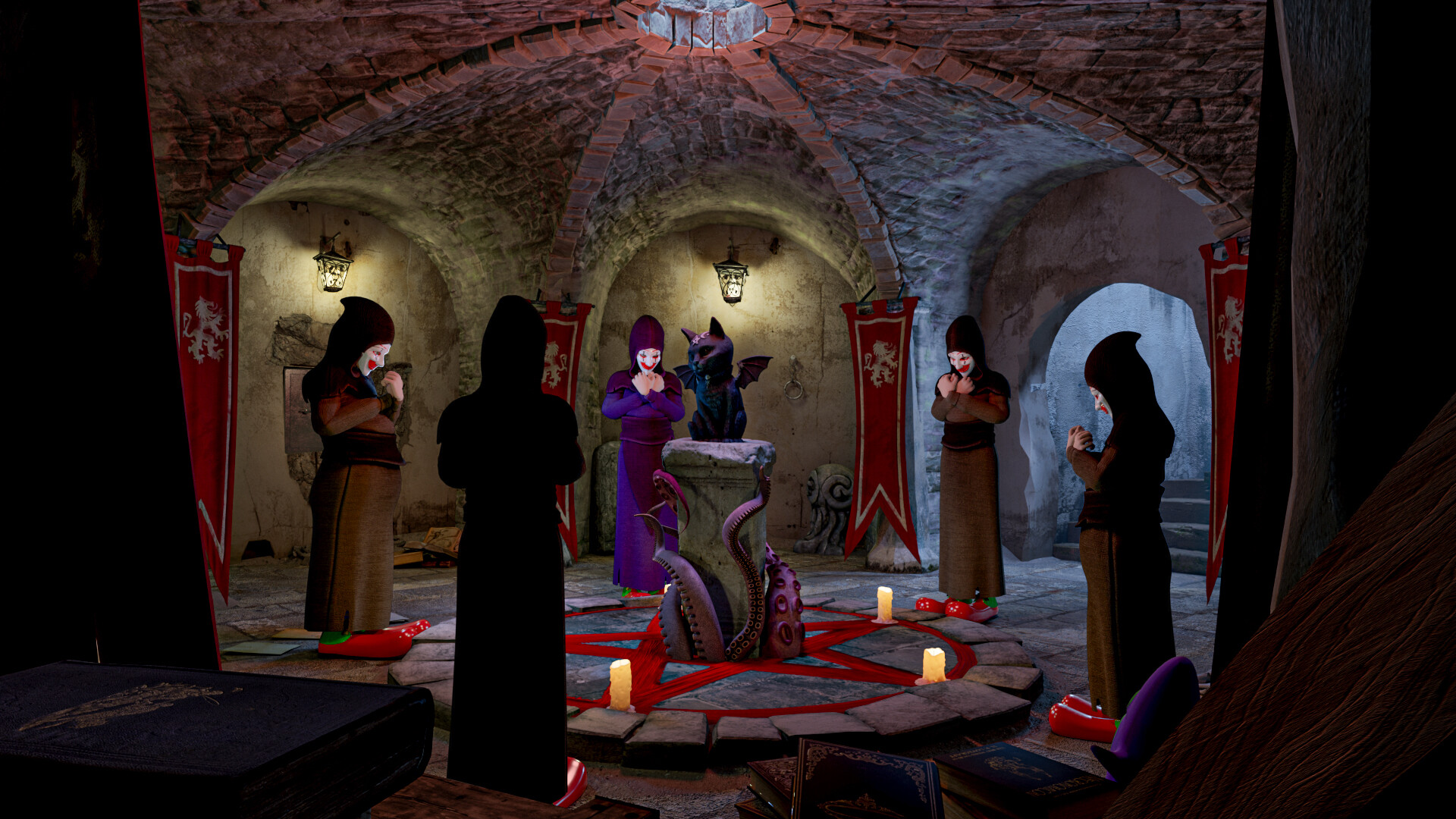
Being the expert that I was, I thought I could knock out Whirlight in an afternoon. I was wrong. While I know the ins and out of point and click adventure games both old and new, I wanted to take my time and savor a game as lovingly put together as Whirllight. The art style and characters, while not always as funny, instantly reminded me of some of the best games in the golden era of point and click adventure, which started with the release of Day of the Tentacle. In fact, I'd say that a lot of Whirlight is shamelessly inspired by Day of the Tentacle.
And while Whirlight: No Time to Trip employs a mix of the outside the norm “moon logic” that a lot of games of its type employ, I found that Whirllight puzzles were based more on practical solutions. I.E. -stuff you’d actually think about doing.
If you’re not familiar with the term “moon logic” – that’s essentially the opposite of it, as some point and click adventure game developers–for laughs, or general absurdity, I can only guess–would have puzzle solutions that often don’t make sense. A famous example is set up so that instead of using the only key you have in your inventory to open a locked door, you instead use the tail of a fish as an improvised lock pick. While Whirlight does use absurd solutions at times, even these often make sense in the game’s own logic.
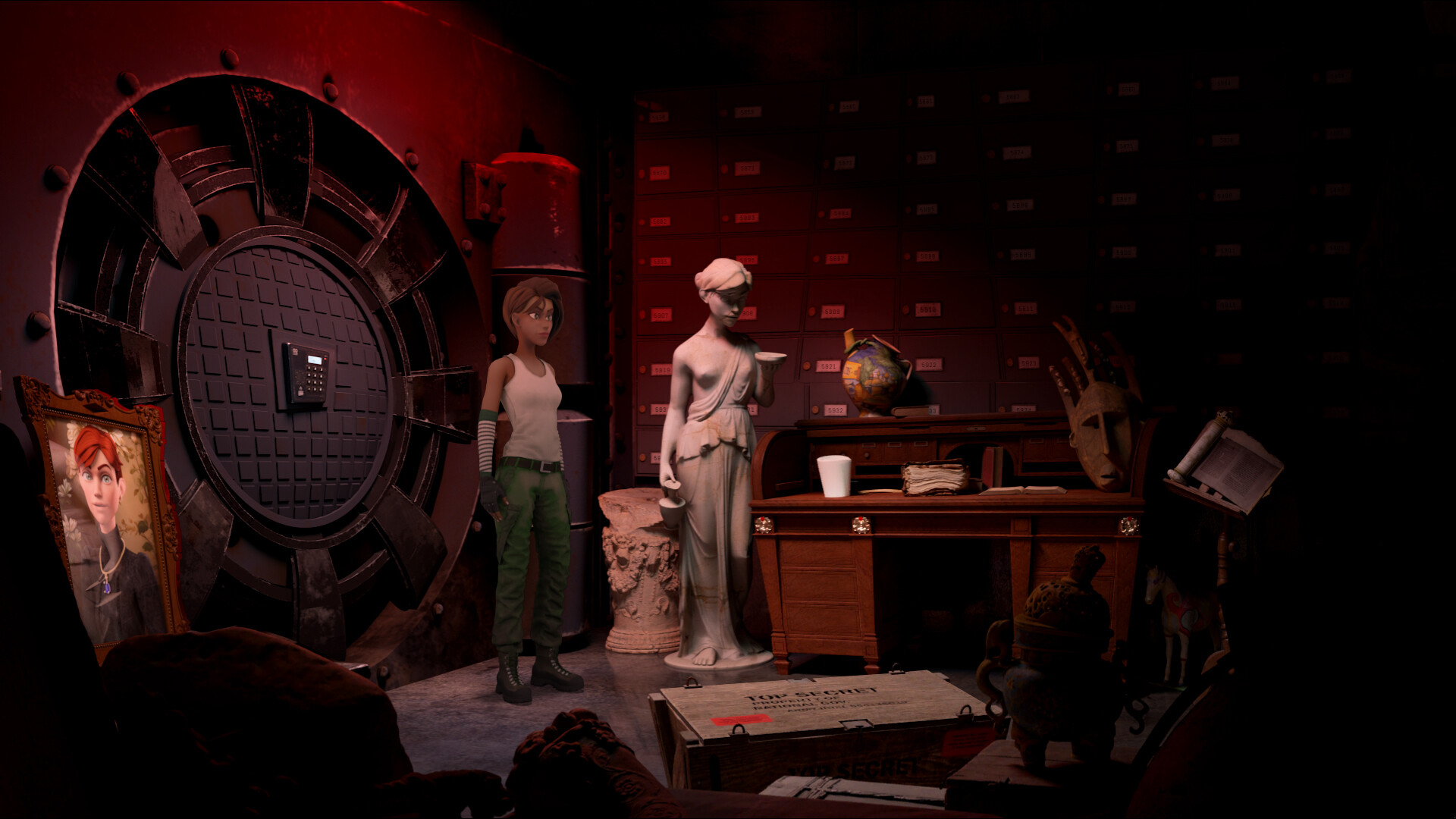
But it really wasn’t the puzzles that kept me from completing Whirlight faster than I did. Like I said, I know how to brute force even the craziest moon logic. Instead, it was the scale. With over 100 locations to explore, there was just too much to do or see. Whirlight-No Time to Trip isn’t a small adventure game meal to devour in an evening. Instead, it turned out to be an entire feast.
Sometimes I wondered why, in the older games, inventory sizes were so large when most slots never get filled. Whirllight fills every slot, and most of the time every item ends up getting used. The old adage of “try every item on everything” starts to get a little harder when you’re juggling so many locations and so many possible places to use items.
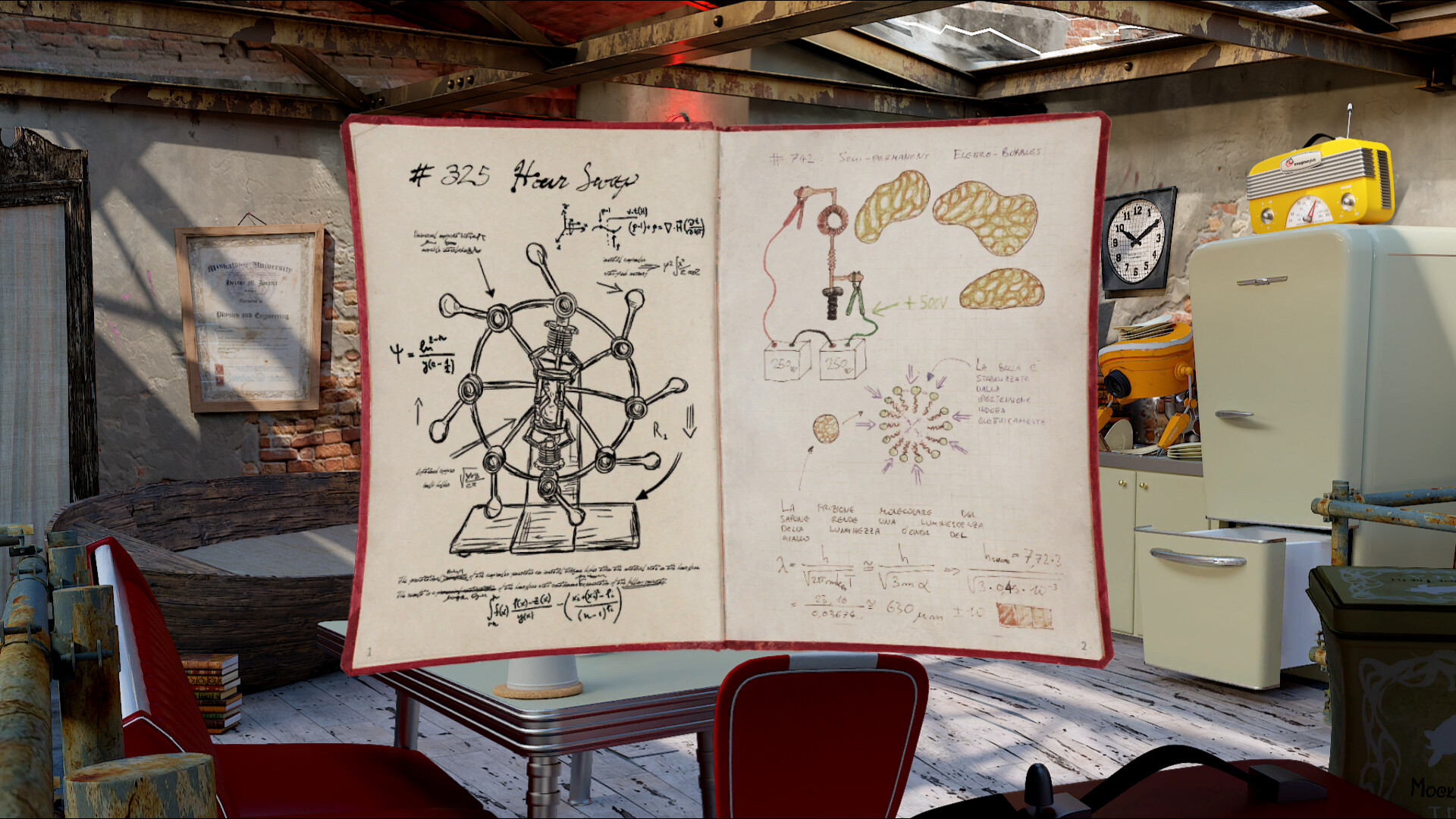
That’s not to say you play all 100 locations in one large open world. That would be silly. Instead, Whirlight is divided into distinct sections baked on story beats. That’s another issue that Gilbert had with point and clicks: pacing. Whirlight doesn’t fight slow story pacing, and instead embraces the chaos and what these multitude of inventory objects, exploration and character can give us. Luckily, the journal helps keep track of everything.
In a very un-retro way, you can even see what objectives you’re chasing after, and what you have left. I can’t remember any LucasArts game with such a direct guide on how to proceed, often relying on your memory of the last essential conversation to steer you in the right direction. Instead, Whirlight directly tells you. Though, sometimes it would fail to update the next objective until I interacted with the right character–so not a perfectly implemented solution.
Like I said, Whirllight doesn’t really worry about pacing ruining its story. But at the same time, the story is the weakest part. Most of my favorite point and clicks had a MacGuffin or other overarching impetus to keep hunting for what pixels work with what situation.
There are story beats that move the plot along to new wacky time travel locations from the far past to the dystopian future, all while interacting with a host of wacky characters– and the game’s world is populated with dozens of interesting and amusing characters to help, hinder, or otherwise serve as flavor for your adventure.Both main protagonists, Hector May and Margaret are interesting and amusing in their own ways, though Hector’s chaotic nature and occasional buffoonery wore on me at times.
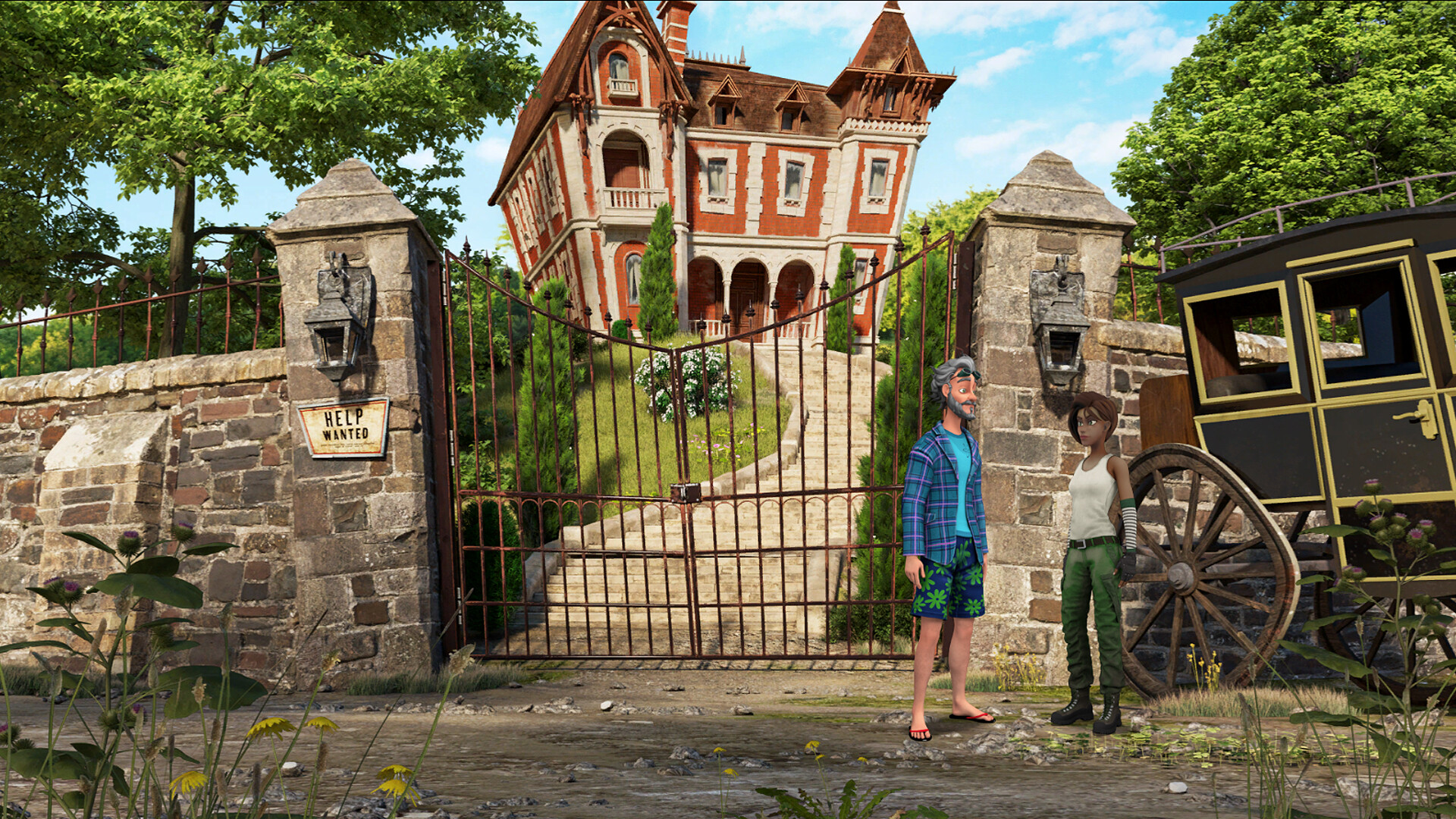
While Whirlight, on paper, sounds fantastic, the execution sometimes made me feel like I was playing an offbrand LucasArts game. Sure, it was obviously heavily inspired by them–with in game references to back up that obvious assumption. (it’s also filled with other retro references) but there was just something slightly off about the whole thing. Like a Temu or Wish version of the games I played as a kid. But it’s harder for me to quantify, like it’s almost something lost in translation.
And while I would definitely say Whirlight is a humorous game, I rarely found myself laughing out loud. Sometimes the achievements are funnier than the game. But humor is subjective, and there is always the danger of trying too hard, and Whirlight never really crosses that line even if it does flirt with it. I think some of the struggles come with the voice acting. Not that it's outright bad, but it seems like it suffers from bad direction, like the delivery is sometimes paired with the wrong emotion or not quite what I would expect. And since humor relies so much on delivery, the voice acting often kills any funny.
Puzzles in Whirlight–No Time to Trip can also be a mixed bag. While a lot of solutions feel logical–which is a great thing–the sheer number of possibilities mean you’re having to find out which logical solution fits your puzzle. An early example is a puzzle where you’re trying to get a bird to knock a bowling ball off of a balcony. My logical brain says I could just throw something at it, but all of the expendable and easily throwable items in my inventory doesn’t do it.
Instead, I have to use a rose I acquired to pop a promotional balloon I inflated from my inventory to pop the balloon and scare the bird. As soon as I figured out I could pop the balloon I rushed over to that bird, so it was an easy association. And much like humor, puzzle difficulty can be subjective from person to person. I found Whirlight’s puzzles to be the perfect difficulty to not feel so easy I could just breeze through.

There aren’t many genuinely retro feeling point and click adventure games coming out anymore. Whirlight–No Time to Trip accomplishes feeling like a nostalgic experience with relying too heavily on it. It’s definitely not a perfect game, but it’s probably one of the highest quality point and click adventure titles we’ve gotten in a long time. Developer imaginarylab released Monkey Island love letter Willy Morgan and the Curse of Bone Town way back in 2020, so it might be a while before we get another gem from imaginarylab.
