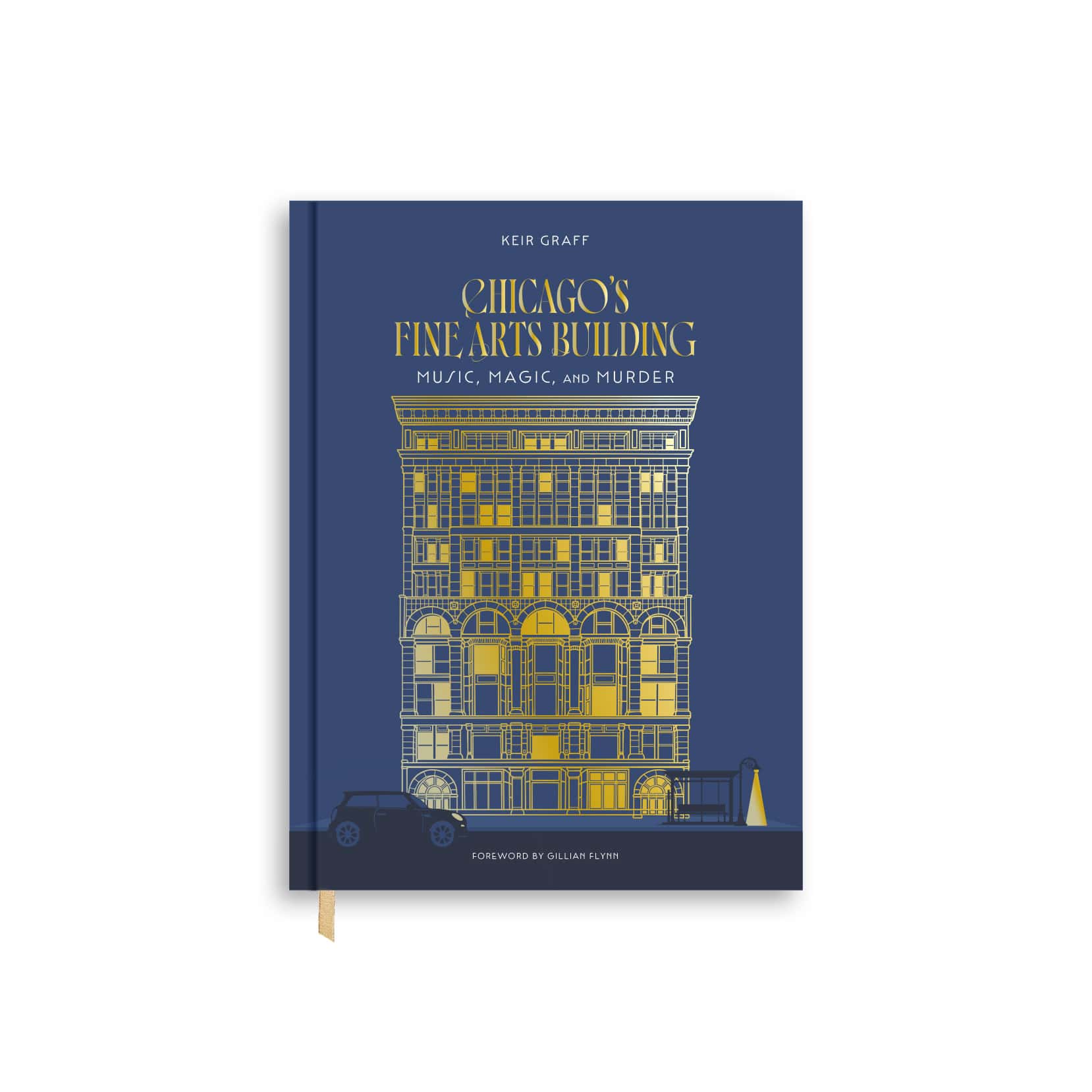

How does an old Chicago building survive? Public outcry and organized protest have saved a few, yes, but it usually comes down to owners and occupants continuing to give a damn through the years. The Fine Arts Building (410 South Michigan Avenue) was lucky enough to enjoy such appreciation from multiple owners and tenants for over 140 years, and thus continues to accommodate Chicago artists, performers, musicians, and merchants. Writer Keir Graff shares the building’s history in Chicago’s Fine Arts Building: Music, Magic, and Murder. While the Fine Arts’ story isn’t continually compelling, architecture buffs and enthusiasts for Chicago lore will find much to enjoy in this handsome package from Trope Publishing.
Designed by architect Solon S. Berman and completed in 1885, the Fine Arts was originally the Studebaker Building. Once upon a time, the Studebaker Brothers Manufacturing Company assembled and repaired horse-drawn carriages on the top four floors and displayed their wares in large showrooms on the bottom four. A few years later, the company outgrew its surroundings and moved to bigger digs at 623 South Wabash Avenue. The building’s first manager Charles C. Curtiss convinced the Studebakers that, rather than just selling it, it would be worth remodeling the edifice into a space they could rent to local artists. The Studebakers gave the thumbs up and the warehouse/factory was restructured, adding two theaters, multiple murals, and numerous offices, studios, galleries, and practice spaces. The redesign was completed in October 1898, and the Fine Arts has since served creative luminaries like Frank Lloyd Wright, Lorado Taft, The Little Review’s editor Margaret Anderson, and other talents.
That’s the gist of the Fine Arts Building’s history. But despite being an artistic hub for well over a century, the Fine Arts itself doesn’t present an abundance of compelling stories. Chicago magnate Samuel Insull, a former owner who also built the Chicago Civic Opera House, gets his own chapter. Insull’s life story inspired, in part, Orson Welles’ Citizen Kane, with an actor wife who used the Fine Arts’ theaters to shore up a lackluster career. But Insull’s story feels like it’s over before it begins, and the other tales of “music, magic, and murder” are equally quick and only moderately interesting. Regardless, Graff presents a decent accounting of the Fine Arts and its chronology. As he points out, it was a place of business, not an artist colony, where the residents toiled to earn their daily bread—already loaded artists and trust fund babies notwithstanding. To be fair, few office spaces provide enough drama to power a Netflix series.
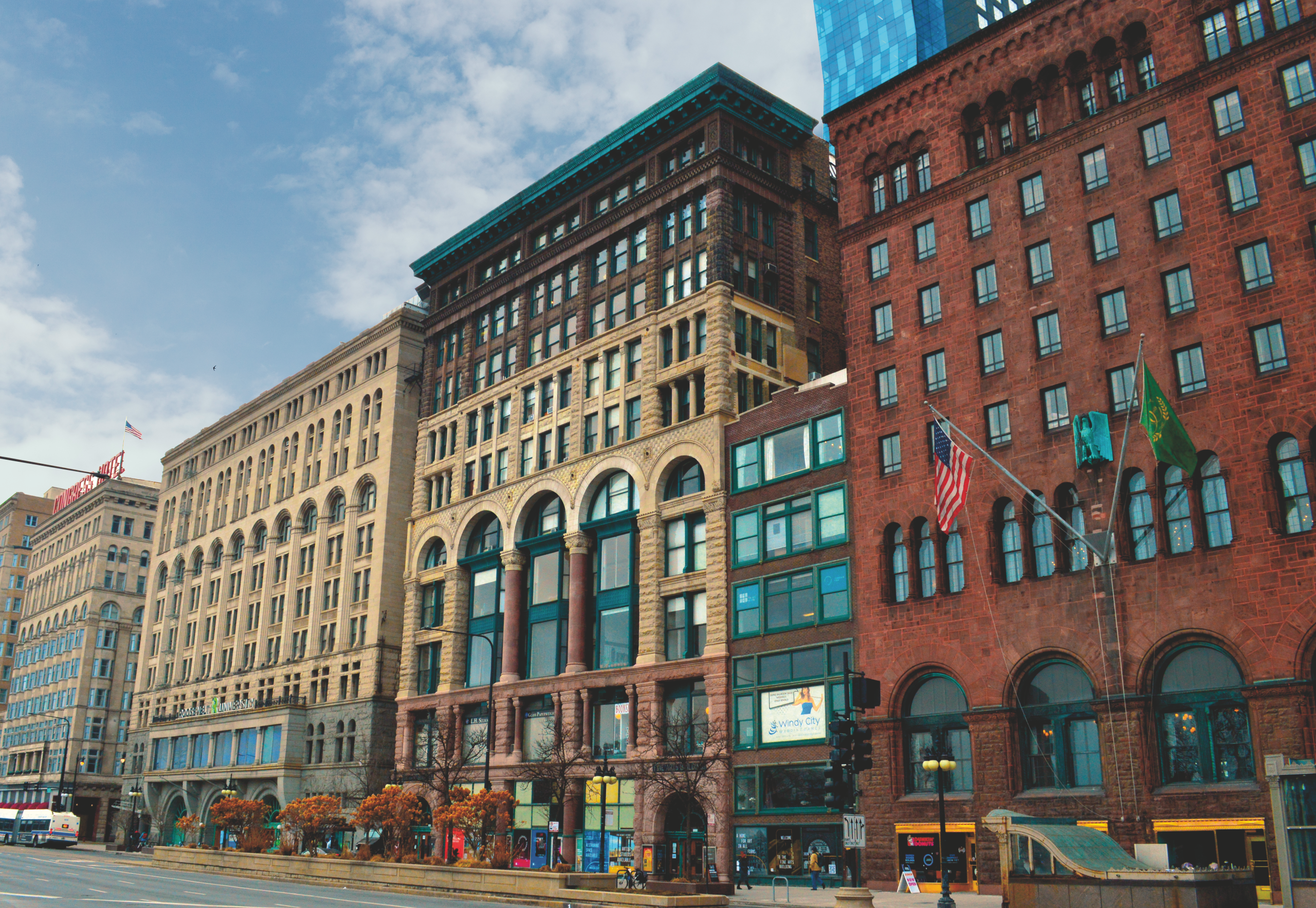
The book especially shines when it's showing off what makes the building itself so special. Visually, Chicago’s Fine Arts Building presents plentifully gorgeous views, inside and out, with extra credit to principal photographer Tom Maday. The strongest collaboration between Graff and Maday is the chapter on the Fine Arts’ minor claim to fame as one of Chicago’s few buildings with manually operated elevators. The interviews with the operators, fully aware of their career’s expiration date as the building switches to modern self-driving elevators, carry their own poignancy.
While buildings are always best experienced in person, the right book provides the next best thing to walking their halls. Chicago’s Fine Arts Building does a good job of revealing what makes the Fine Arts a particular architectural gem with a respectable Chicago pedigree.
Chicago’s Fine Arts Building: Music, Magic, and Murder is available at bookstores and through the Trope Publishing website.
Did you enjoy this post? Please consider supporting Third Coast Review’s arts and culture coverage by making a donation. Choose the amount that works best for you, and know how much we appreciate your support!
