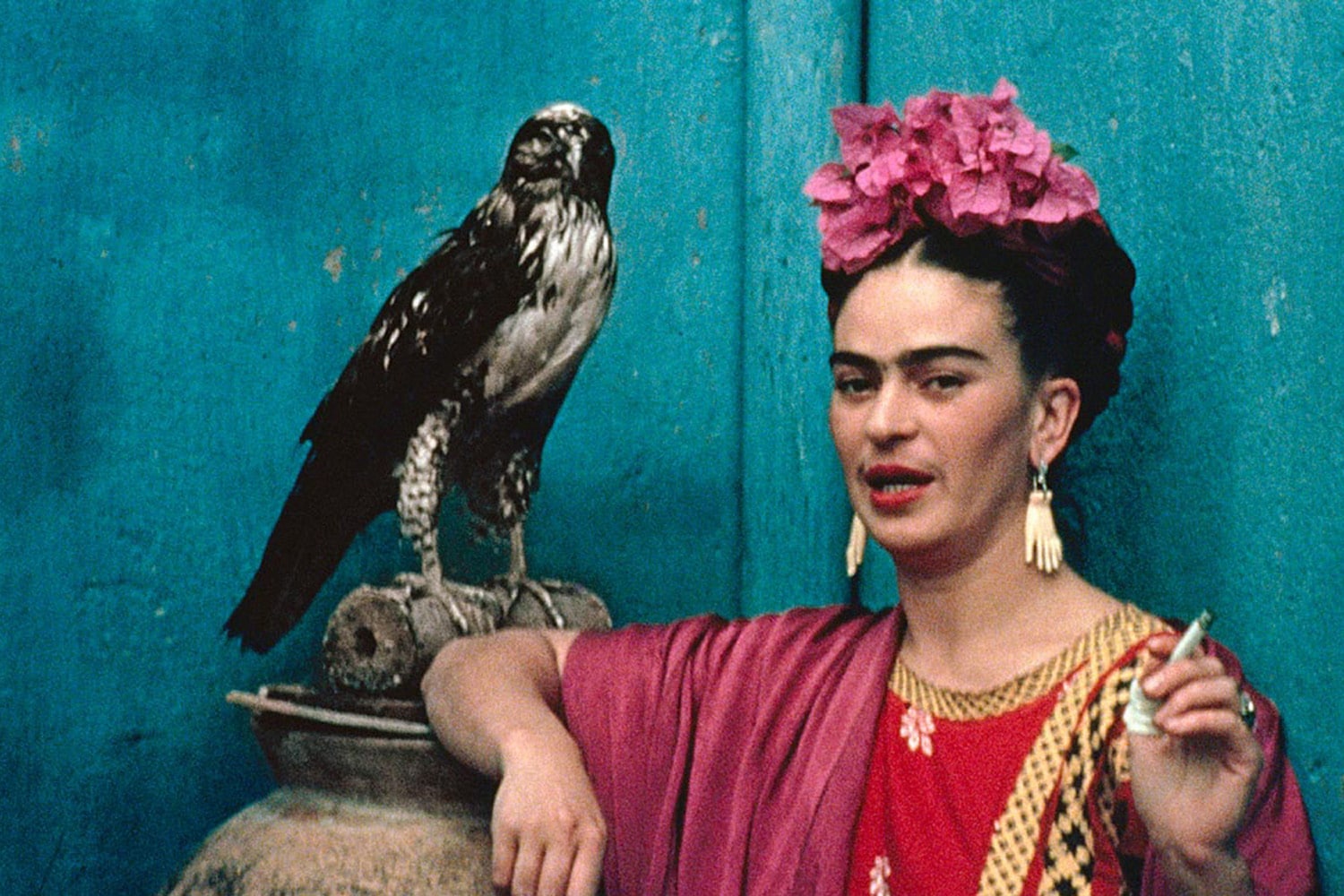
In front of a rapt audience, Mexican artist Frida Kahlo’s great nieces appeared at the Chicago Humanities Festival’s Northwestern Day on Sunday, to talk about their new book Casa Kahlo: Frida Kahlo’s Private Home and Sanctuary, moderated (and occasionally translated) by Alivé Piliado Santana of Chicago’s National Museum of Mexican Art (the Art Institute presented Frida Kahlo’s Month in Paris last year).
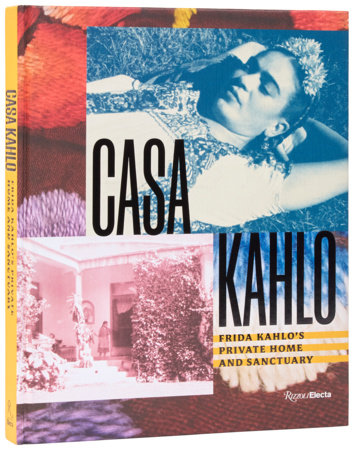
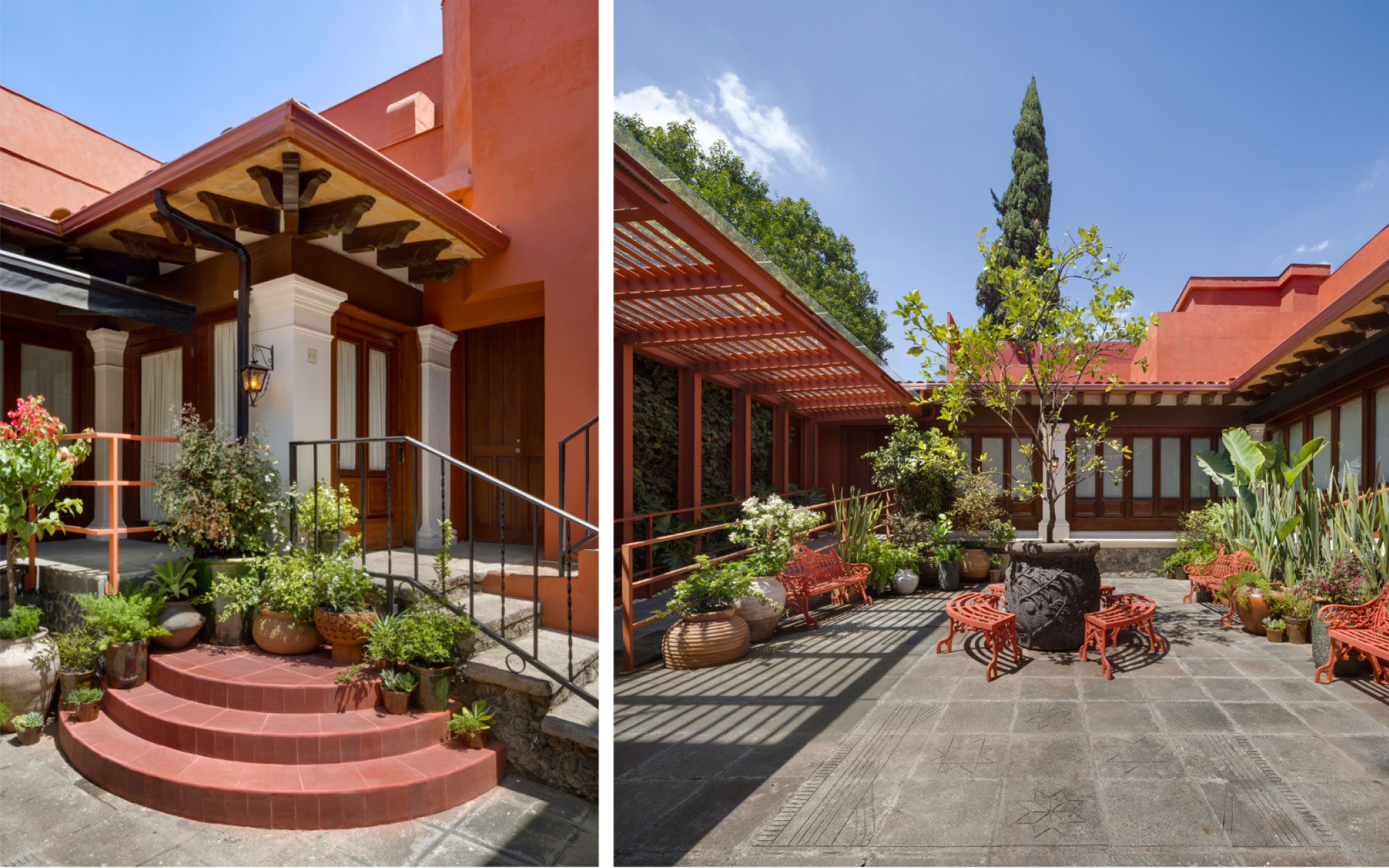
The book is a printed conversation among this trio of descendants, Mara Romeo Kahlo, with her daughters Mara de Anda Romeo and Frida Hentschel Romeo, combining childhood memories and stories of four generations, over 100 years, with photos of art and architecture, including a grapefruit tree in the house’s courtyard symbolizing “the fruits and roots of a family.”
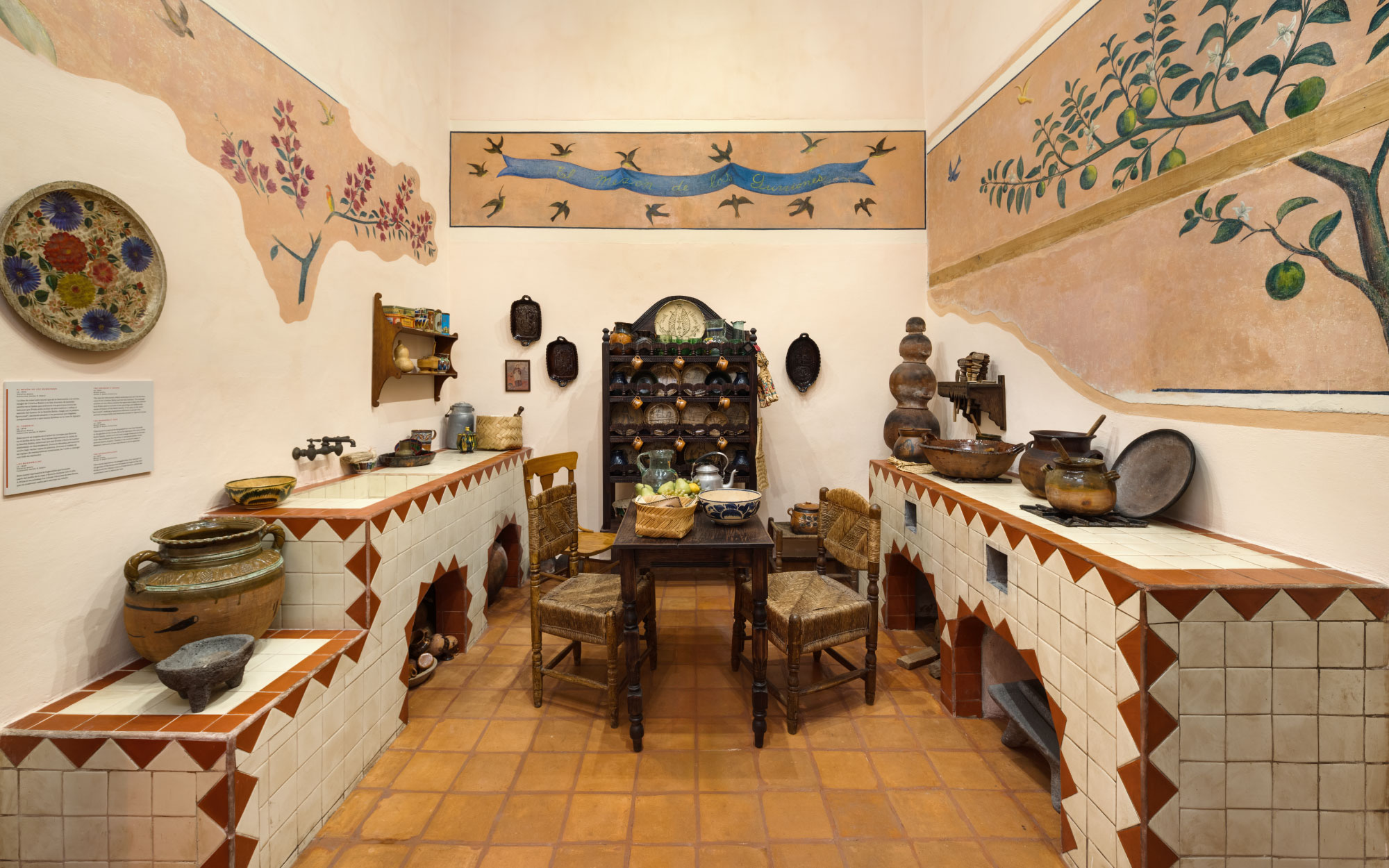
The 256-page hardcover also documents the museum that focuses on “Frida’s life beyond the public image,” which shares early artwork (including the only mural she ever painted, recently uncovered on a kitchen wall, which makes a joke about sparrows and freeloaders), previously unpublished correspondence (letters between Frida and her mami Matilde were already available online), political activism items and many personal effects like native clothing and jewelry (Frida would make and remake necklaces using energetically meaningful stones and bones she’d found).
Casa Kahlo was more than just Frida’s second home; it was a “circle of affection” and a place to be herself with her family and explore her indigenous culture as well as a studio space to teach her “Los Fridos” art students. The women stressed that this museum is “a new way of understanding and embracing Mexican identity without colonialism.” They agreed that Frida was strong and ahead of her time, but also caring and loving, noting that she didn’t smile much in photos, not because she was stern but because she was missing a tooth.
The three authors/speakers all grew up in this former home of Frida’s sister and the elder Mara’s grandmother Cristina. After abuela died in 2007, these women began the “female project” and daunting task of sorting through Frida’s voluminous artifacts packed into basement closets and cabinets.
Working with different curators, these three opened Museo Casa Kahlo (aka Casa Roja) on September 27, 2025, in Mexico City, just five minutes from her famous Casa Azul, in part to help clarify any misinformation about the artist’s life, under the mission that “love, not pain, shaped her life,” as well as “más amor, más familia, más México.”
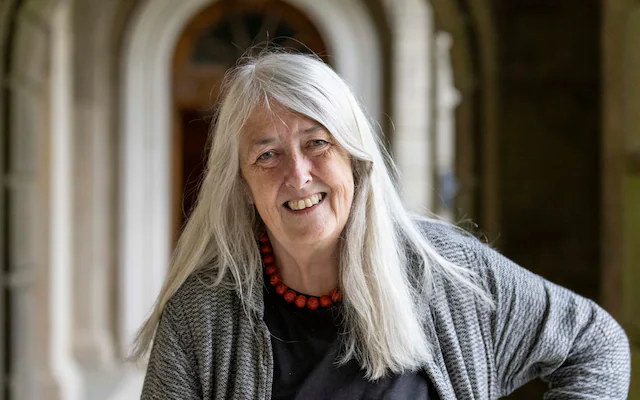
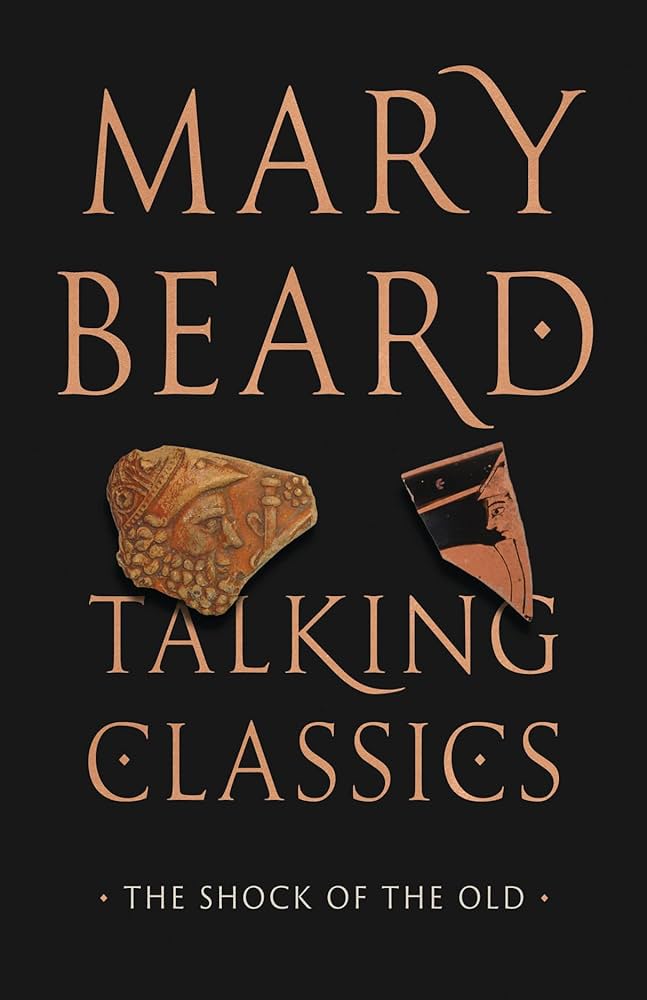
Earlier on Sunday, English classicist Mary Beard spoke with professor Marianne Hopman at Northwestern about her latest book Talking Classics: The Shock of the Old, a memoir about her 50-year focus on ancient Greco-Roman society and how it’s relevant today.
Beard shared her historian origin story. In 1960, when she was five, she visited the British Museum to see the mummies, but became more fascinated with a piece of ancient Egyptian bread. When the curator took it out of the case (both literally and metaphorically), and she stood eye-to-eye with the tan triangle, she wondered about everyday life in the primitive world, the “dirty reality and messy bits.” Hopman agreed that yes, historians get to time travel.
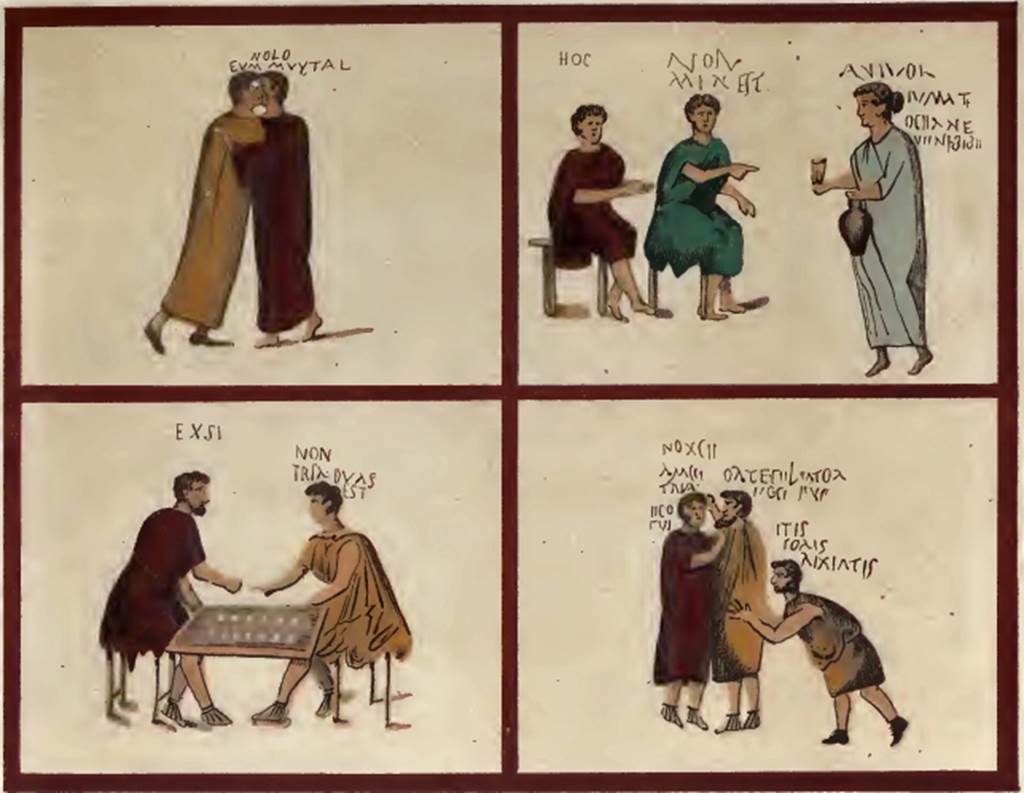
“These people and things from the past are completely baffling but utterly familiar,” said Beard. “The same, but completely weird.” She referenced the Bar of Salvius illustration from Pompeii, which evokes a British pub at closing time. Beard also noted that Romans had no mirrors. A few rich folks had polished metal reflectors, like the backs of spoons, but most had no clue what their faces actually looked like, unlike today where we are surrounded by mirrors.
After years of using Zoom during COVID and beyond, Beard said, “I know my face best. Yet we need to know what’s it like to be someone else, geopolitically and beyond, to better society.” She observed that Twitter, like many policies in the US, focuses on individualism rather than the collective good in this way.
Because her subjects are long dead, Beard joked that “they can’t answer back, so we can talk directly about them in a safe space.” And she said she would read, but would unlikely take advice for the modern day, from texts like Marcus Aurelius’ The Meditations, bemoaning using antiquity to justify modern atrocities, like Mussolini and Hitler did.
After all, the word fascism is derived from the Latin fasces, a bundle of wooden rods wrapped around an axe symbolizing collective strength. “But the ancient world doesn’t come with ready-made politics,” Beard said. Karl Marx earned his PhD in Greek philosophy, and the complexity and messiness of that ancient world made Marxism possible, she noted, yet dredging up the past can be a perilous tightrope act.
Beard sometimes feels like a virologist, not always loving the subject but finding it captivating. “Romans were interesting, but nasty,” she said. She celebrated the democratic inheritance between Athens and America, and, when pressed, compares Trump to Roman emperor Elagabalus, known for sexual debauchery. Speaking of which, much historic knowledge (like today) is focused on wealthy white men, rather than women, the enslaved or people of color. But “tombstones and epitaphs took me into a world I was told to never explore,” Beard said, “creating head-splitting excitement.”
Check out the Chicago Humanities Festival’s upcoming June events, including talks with Dr. Jill Biden, Ann Patchett, and Dave Eggers.
Did you enjoy this post? Please consider supporting Third Coast Review’s arts and culture coverage by making a donation. Choose the amount that works best for you, and know how much we appreciate your support!
