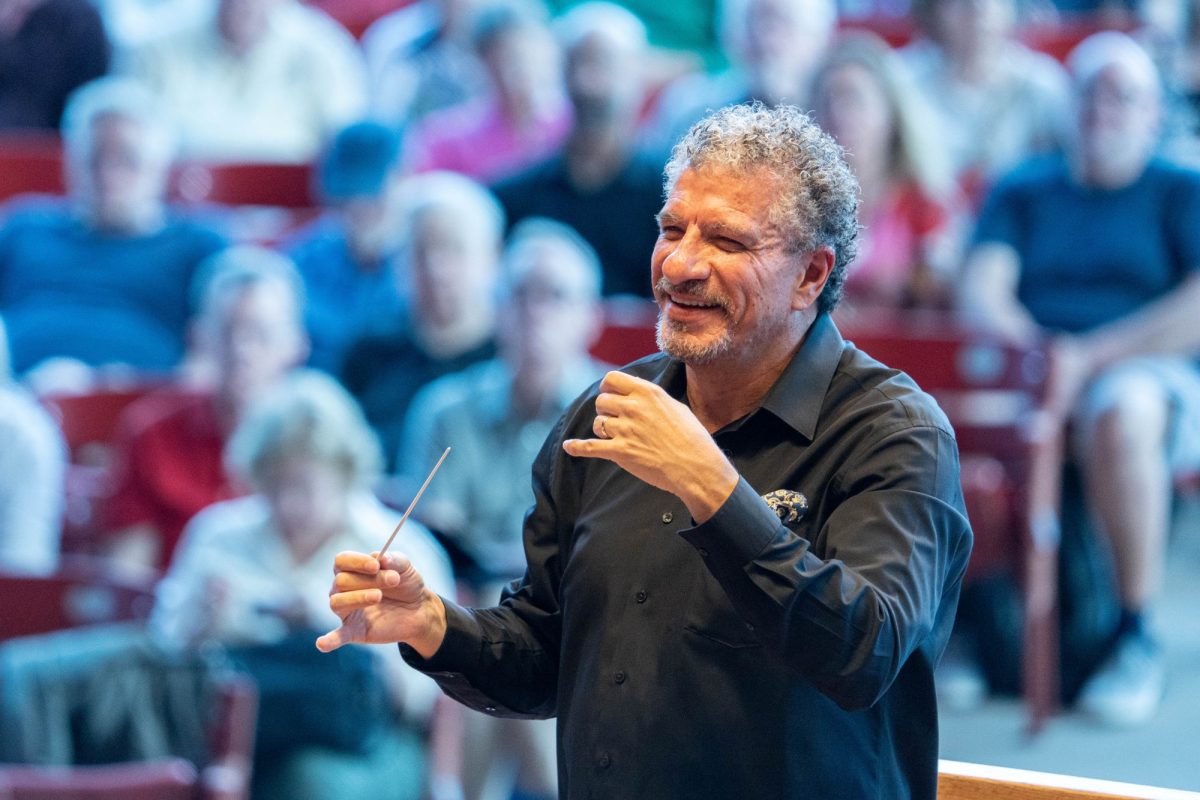

Signaling that summer has truly arrived, the Grant Park Music Festival began its annual serenade of audiences at the Jay Pritzker Pavillion in Millennium Park. The festival’s opening week continued into the weekend with Giancarlo Guerrero conducting an enjoyable concert on Friday’s picture-perfect evening.
The concert was billed as Brahms’ Symphony No. 4, and its first half ended with this mammoth chestnut. But the real excitement occurred after intermission, when soprano Jessica Rivera and baritone Andrew Garland joined the Grant Park Orchestra and Chorus for American composer Gabriela Lena Frank’s Conquest Requiem, written in 2017. Helping things was a fairly quiet Grant Park ambience. The unavoidable bird calls, sirens from emergency vehicles, and noisy, revved-up engines were present, but less jarring than usual.
Brahms’ 4th Symphony was bookended by another American composer, Charles Ives, whose early Variations on “America” provided Guerrero and the orchestra with lots of material with which to entertain. As described in the notes, the teenaged Ives wrote these variations for the organ to celebrate the Fourth of July at the church where he played in 1892. Friday’s version was transcribed for orchestra by William Schumann.
Guerrero addressed the audience and discussed how the variations progressed. He pointed to the different styles Ives used in the variations, such as the southern Italian tarantella. Guerrero also noted that Ives obscured the theme in different ways, making it hard to pick out from the other sounds. Guerrero clearly enjoyed conducting it. With baton in his right hand, he effectively interacted with the various sections to bring the sounds into balance.
Johannes Brahms’ Symphony no. 4 in E-minor was next. Written in 1884, this was his last symphony, and it’s a culmination of his approach to a form that did not come easily for him. It contains many of the hallmarks of this composer’s mature years: intense drama softened by lengthy moments of charm, subtlety leading to great excitement, and, at the end, a look back.
Subtlety was evident on Friday’s performance from the lovely opening notes on the violins and the backing provided by the other instruments. As the opening theme progressed, Guerrero massaged the sound, creating an aural stew, as the winds swirled around. The cellos and basses forcefully came in with a different theme. The phrasing was perfect, as illustrated by short melodies starting and ending in complete unison.
Brahms ended this symphony with a passacaglia, a form from the baroque era from 150 years previously that repeats a series of chords built over a melody in the base. Like a theme with variations, Brahms repeated the melody and chords in various ways, starting with the tuba and trombones.
What was missing in this performance was dramatic oomph. Things seemed a bit restrained, even during climactic moments. It’s hard to pinpoint the problem when the playing was so good, but the celebratory third movement did not generate a lot of excitement. Neither did the ending of the passacaglia, which typically compels me to jump out of my seat and applaud energetically. The audience did not seem especially aroused either, as only half of them stood up after several moments’ hesitation. It was a weird effect in what was generally a good performance. It just wasn’t exciting.
The real excitement was reserved for the concert’s second half, with Conquest Requiem by Gabriela Lena Frank. As Guerrero and the program notes explained, this work tells the true story of Malinche, a native Nahua woman from Mexico’s gulf coast who was enslaved by the Spaniards but ended up being the mistress and confidant of Hernán Cortés, who then conquered the Aztec Empire. Their son Martin was the first of a new mestizo people to emerge from a mixing of Spanish and native cultures. In a very clever way, Frank merged Spanish and native Nahuatl poetry with the Latin requiem mass to produce a fascinating piece lamenting the conquest, the role Malinche played in these events, and Martin’s remorse over his parents’ destruction of several native communities.
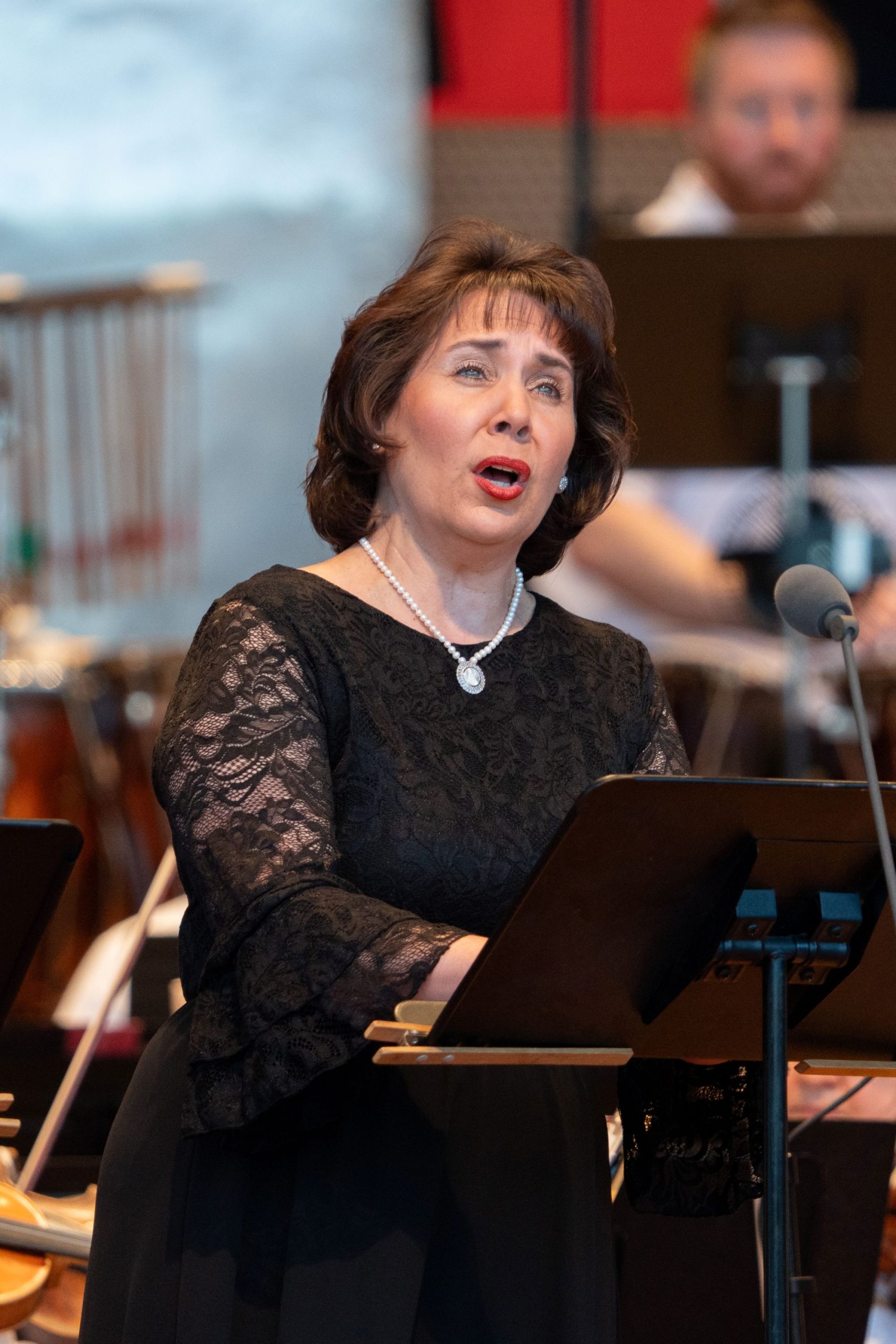
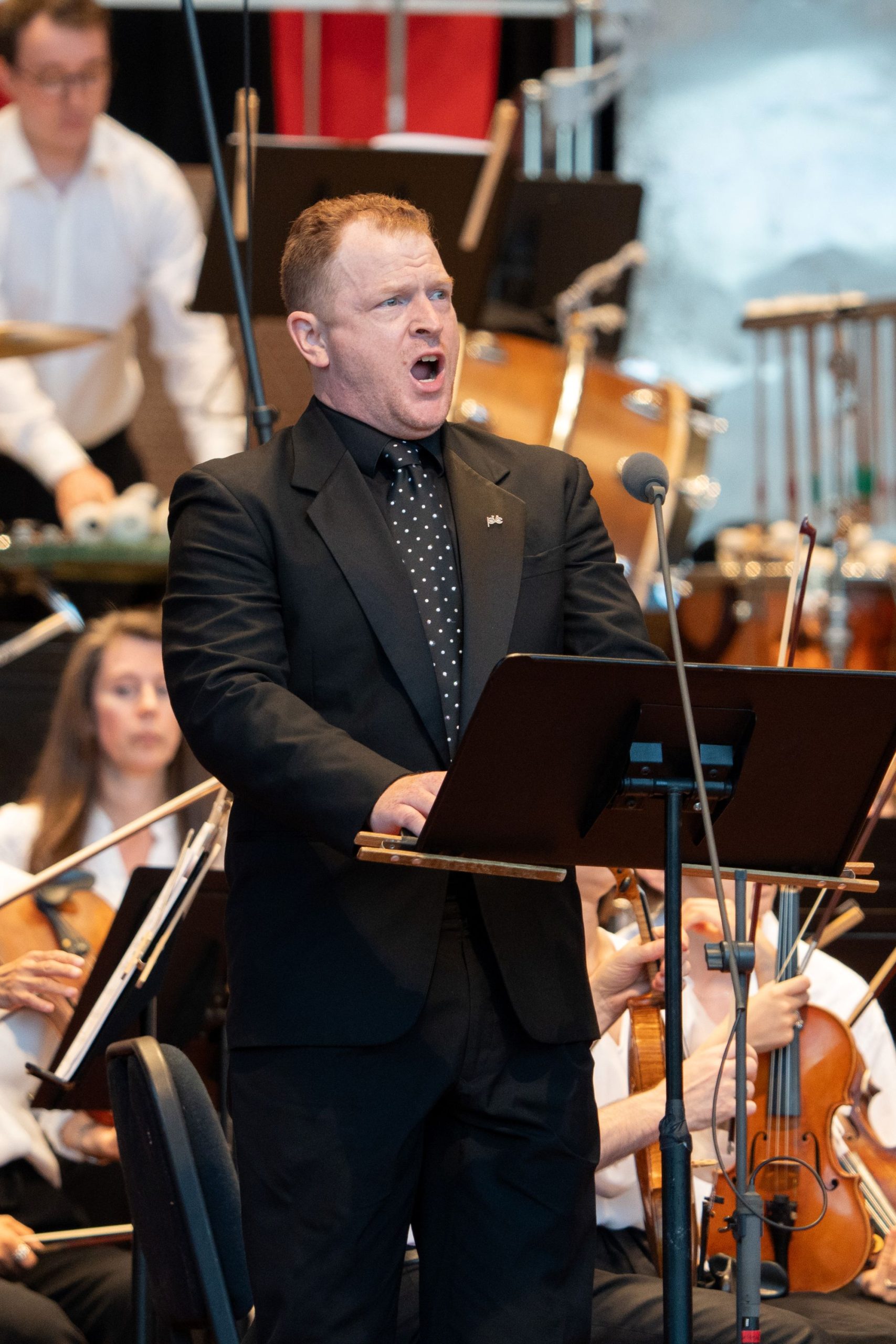
Rivera, singing the part of Malinche, had an airy tone that floated above the orchestra and chorus. Garland was very soulful in singing the part of Martin. They and Guerrero had recorded this work together with the Nashville Symphony Orchestra and Chorus. Friday’s performance reflected this well-rehearsed history, and, under Guerrero’s and Christopher Bell's direction, the Grant Park Orchestra and Chorus stepped in marvelously.
In the quiet opening of the Indroit: Cuicatl de Malinche, the orchestra and chorus, singing in Latin, started eerily, when Rivera introduced Malinche, pierced through the quiet in Spanish and Nahuatl. Garland started his lament in the fiery Judex ergo cum sedebit and was very mournful in the Dies Irea: Cuicatl de Martin, when he switched to Nahuatl.
Frank’s orchestration mixed feelings well. Especially memorable was the Recordare, Jesu pie, when the harp, flute, horn, violin, and obligato piano traded sounds with the sopranos in the chorus.
This performance of a work I had never previously experienced was wonderful. It was a very enjoyable way to end the evening.
This Wedneseday, the Grant Park Music Festival continues with cellist Oliver Herbert joining Guerrero to perform Shostakovich’s Cello Concerto No. 1, Perry’s Short Piece, and Haydn’s Symphony No. 100, Military. June 17, 6:30 pm.
Next Friday and Saturday, pianist Stewart Goodyear and Guerrero perform Prokofiev’s Piano Concerto No. 3, Esmail’s Black Iris, and Copland’s Symphony No. 3. Friday, June 19, 6:30 pm; Saturday, June 20, 7:30 pm. For more info, click here.
Support arts and culture journalism today. This work doesn't happen without your support. Contribute today and ensure we can continue to share the latest reviews, essays, and previews of the most anticipated arts and culture events across the city.
