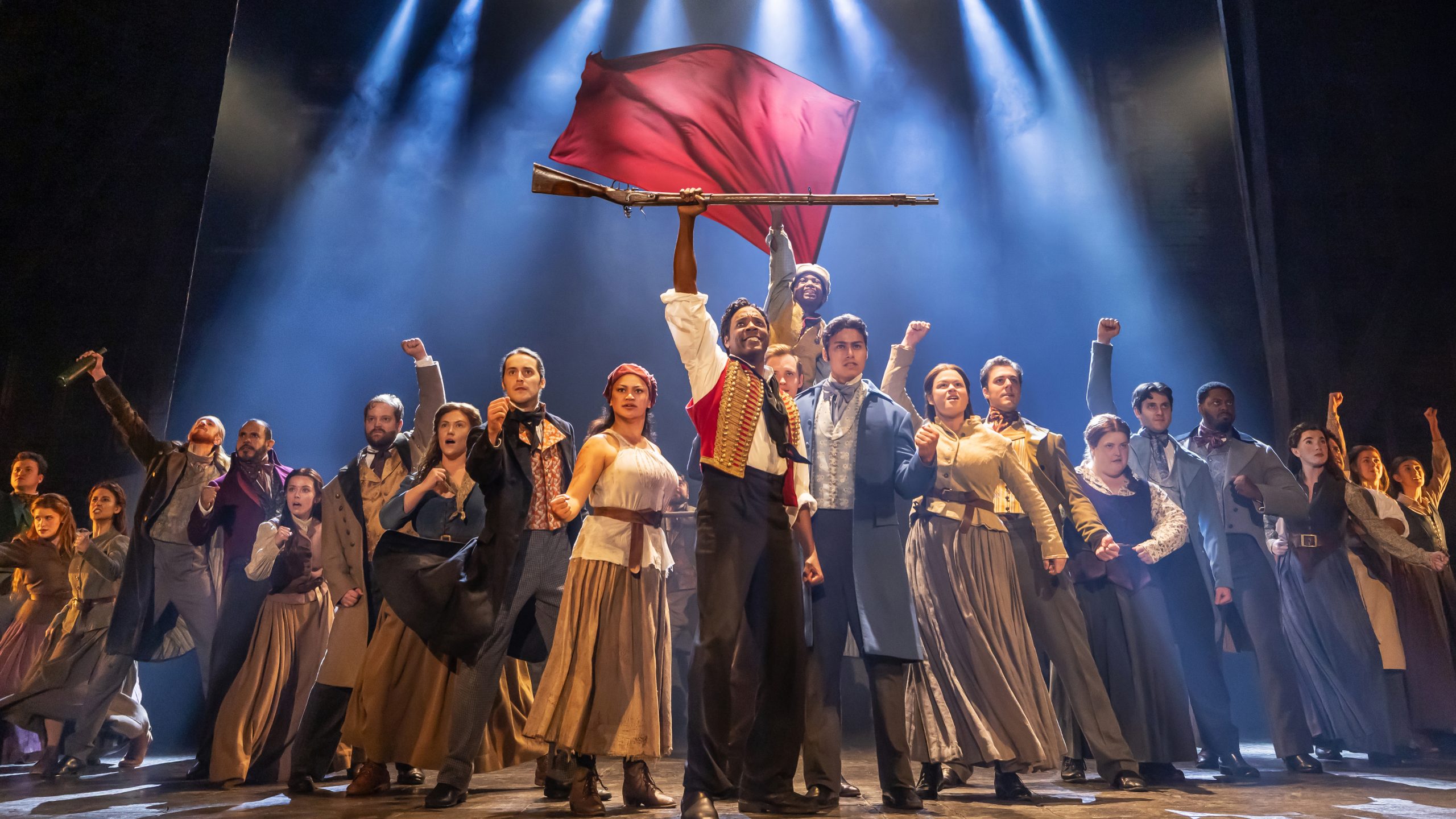

Producer Cameron Mackintosh and his insanely talented creative team invite audiences to step into 19th century France in the infamous tale and beloved musical that is Les Misérables. Inspired by Victor Hugo's 1862 historical novel Les Misérables, the story still captures the hearts and minds of modern audiences with its timeless themes of unrequited love, redemption, sacrifice, and revolution. From the sweeping score to the emotionally charged performances, this production feels just as urgent and devastating today as it must have when audiences first encountered it. It’s a story about survival in a cruel world, and the impossible choices people make when they’re clinging to hope by a thread.
The Tony-Award-winning musical was created by Alain Boublil and Claude-Michel Schönberg. Laurence Connor and James Powell direct the production.
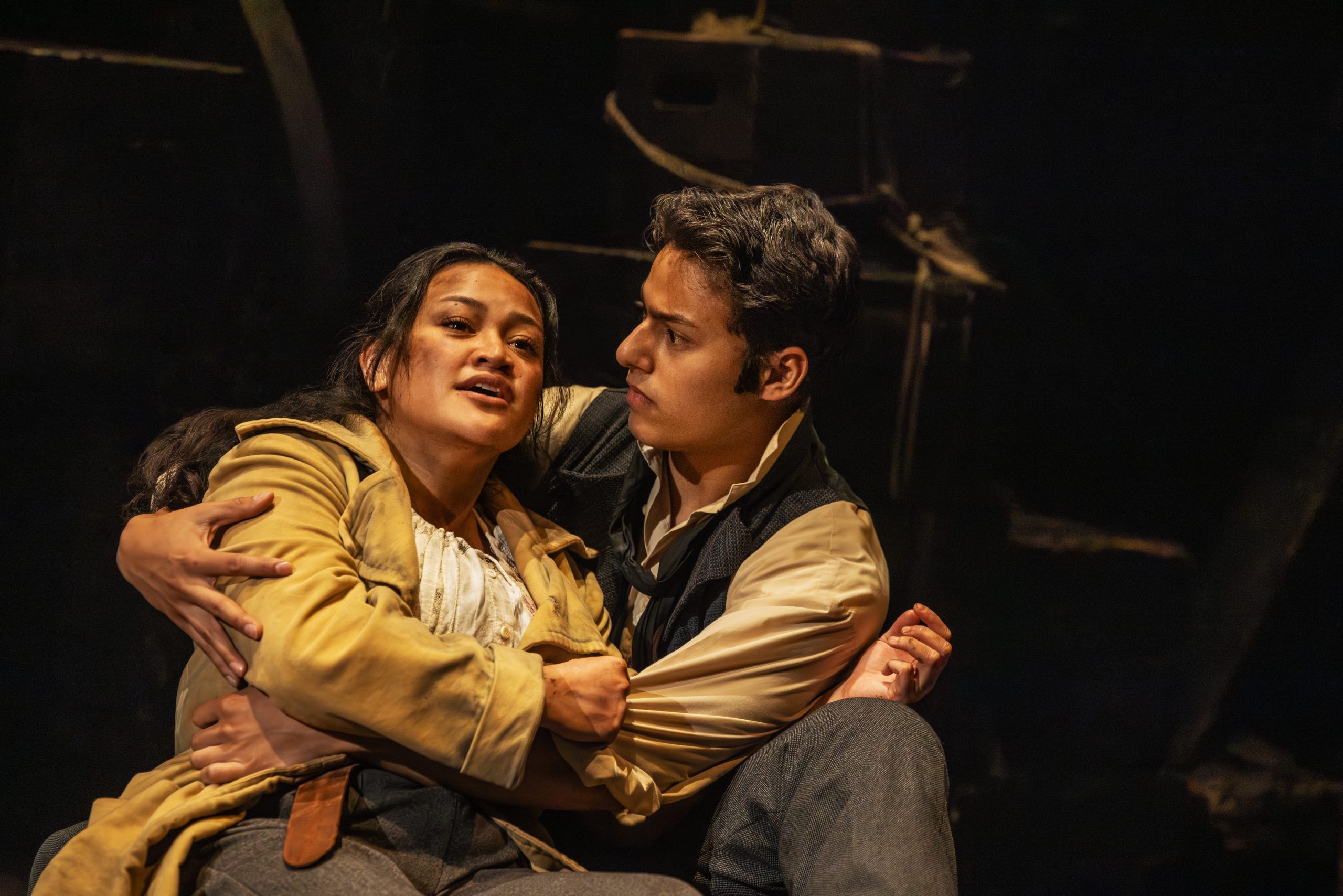
Immediately one is completely enthralled by Lindsey Heather Pearce’s performance as Fantine. Her one-of-a-kind voice draws you in immediately, inviting the audience into Fantine’s devastatingly vulnerable downward spiral. You lose yourself in her story as she loses bits and pieces of her soul desperately grasping at every straw in an attempt to save her child, Cosette, played beautifully by Alexa Lopez. Every note feels raw and painfully honest. One can’t help but hang on to her every word—you won’t even want to blink for fear of missing a single second of this riveting performance. Pearce embodies broken dreams, desperation, and complete selflessness, becoming the emotional core of the show and a haunting reminder of what poverty and hopelessness can strip away from a person.
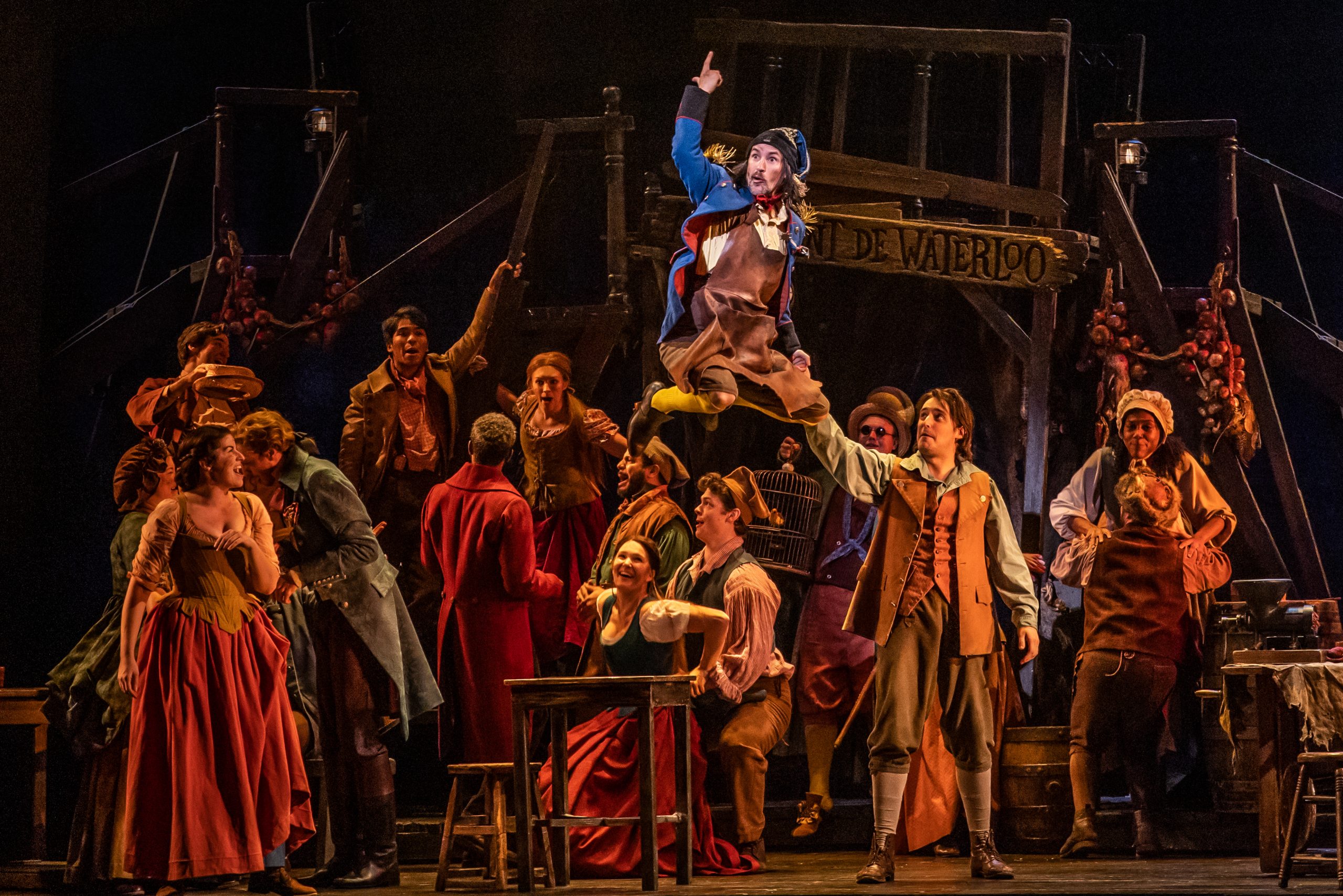
Monsieur and Madame Thénardier, played by Matt Crowle and Victoria Huston-Elem respectively, deliver the much-needed comedic relief throughout the production without ever losing the darkness underneath their humor. These two rats will cheat, scam, and steal from absolutely anyone for personal gain, serving as the embodiment of the greed, selfishness, and moral decay bred by oppression and survivalism. Crowle and Huston-Elem are masters of physical comedy and impeccable timing, squeezing every possible laugh out of the pair’s shameless antics while still reminding the audience just how grotesque these characters really are. Somehow, against all odds, they make these nasty little weasels some of the most entertaining and strangely lovable characters on the stage.
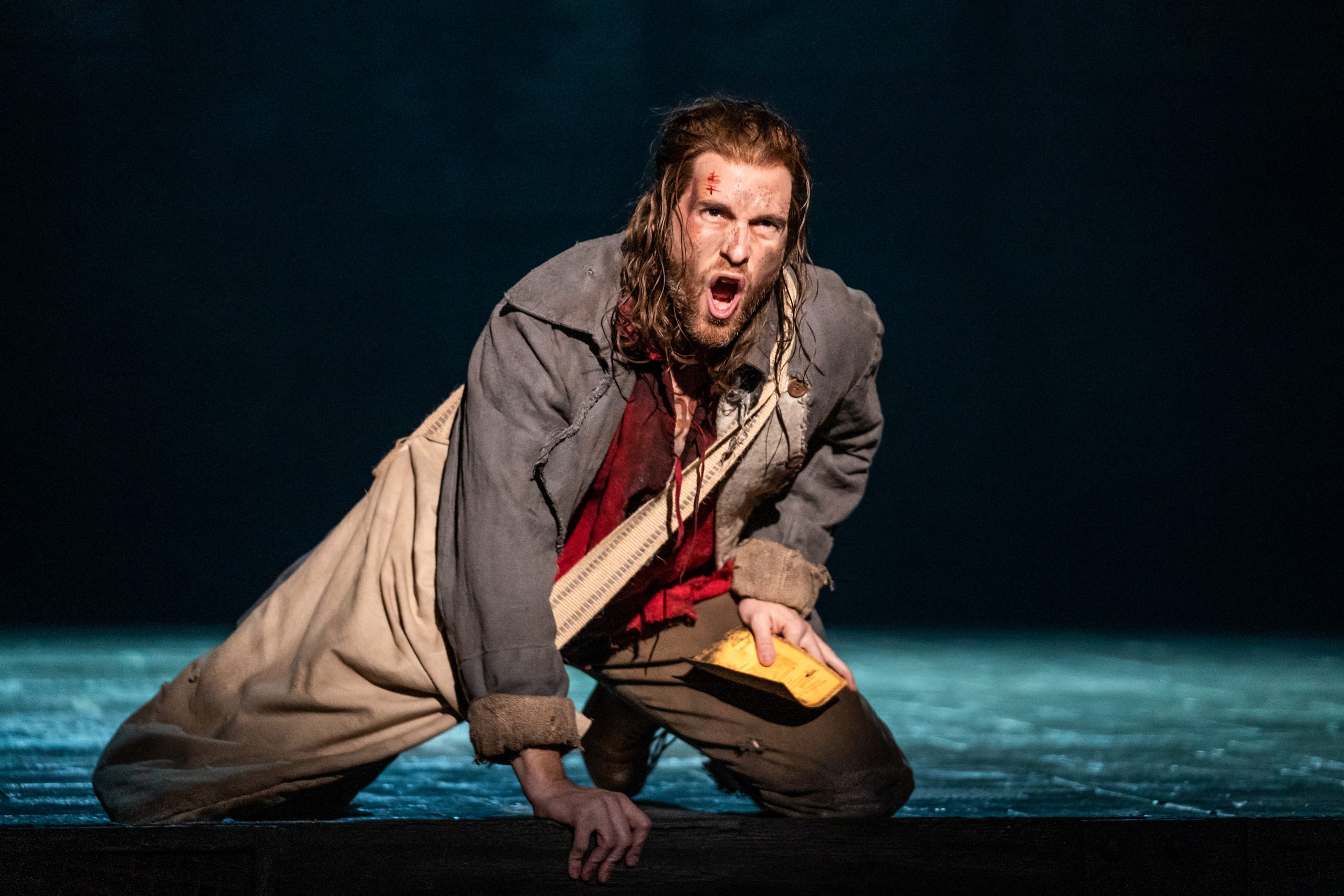
Jean Valjean (Nick Cartell) and Javert (Hayden Tee) are masterfully written foils, each representing two completely opposing moral codes. Javert is a man unwaveringly bound to the law, while Valjean is driven by grace, redemption, and his desperate pursuit of salvation. Both men are relentless in their convictions, willing to sacrifice everything to uphold what they believe is right. Cartell and Tee deliver extraordinary performances filled with intensity, complexity, and emotional depth. Valjean’s transformative journey from hardened criminal to compassionate protector is deeply moving, while Javert remains rigid and unyielding, incapable of accepting a world that exists outside of strict justice. Rather than betray the law he has dedicated his life to serving, he chooses destruction. Tee portrays this fascinating antagonist with chilling precision and heartbreaking humanity.
Cartell, meanwhile, absolutely stuns vocally throughout the production, particularly during “Bring Him Home.” Sitting nearly motionless in the barricade, he somehow manages to command the entire theater with nothing but the raw emotion in his voice. The audience in the Cadillac Palace Theatre was so captivated that the applause afterward seemed to stretch on endlessly, as though no one wanted to break the spell he had created.
Not only do we watch the fugitive Jean Valjean on his long and painful path toward salvation, but the makeup design by Stefan Alexander does an incredible job physically transforming him throughout the course of his life. He begins the show as a hardened, jagged young man, worn down by cruelty and survival, and slowly evolves into an older, gentler, deeply selfless follower of Christ. The progression is subtle yet striking, visually reinforcing the emotional weight of his journey. We watch him transform from prisoner, to mayor, to a truly valued and compassionate member of society.
The set design by David Harris and Christine Peters was both creative and incredibly inventive. The use of wood and stone felt period-appropriate while still allowing the stage to transform seamlessly from one location to the next. Massive pieces slide in from the wings, towering elements fly in from above, and rotating panels constantly shift the stage picture, creating a world that feels alive and constantly moving. The set itself becomes part of the storytelling, working almost like another ensemble member alongside the actors.
The lighting by Ben Jacobs and Karen Spahn, and and projection design by Simon Harding and Jonathan Lyle, are absolutely stunning. Together, they effortlessly establish tone, time, and location while creating several moments of pure theatrical magic. One particularly breathtaking moment is Javert’s demise, staged in a way that genuinely makes it feel as though he is plunging from an impossibly high bridge into the darkness below. The technical elements throughout the production elevate the emotion without ever overshadowing it.
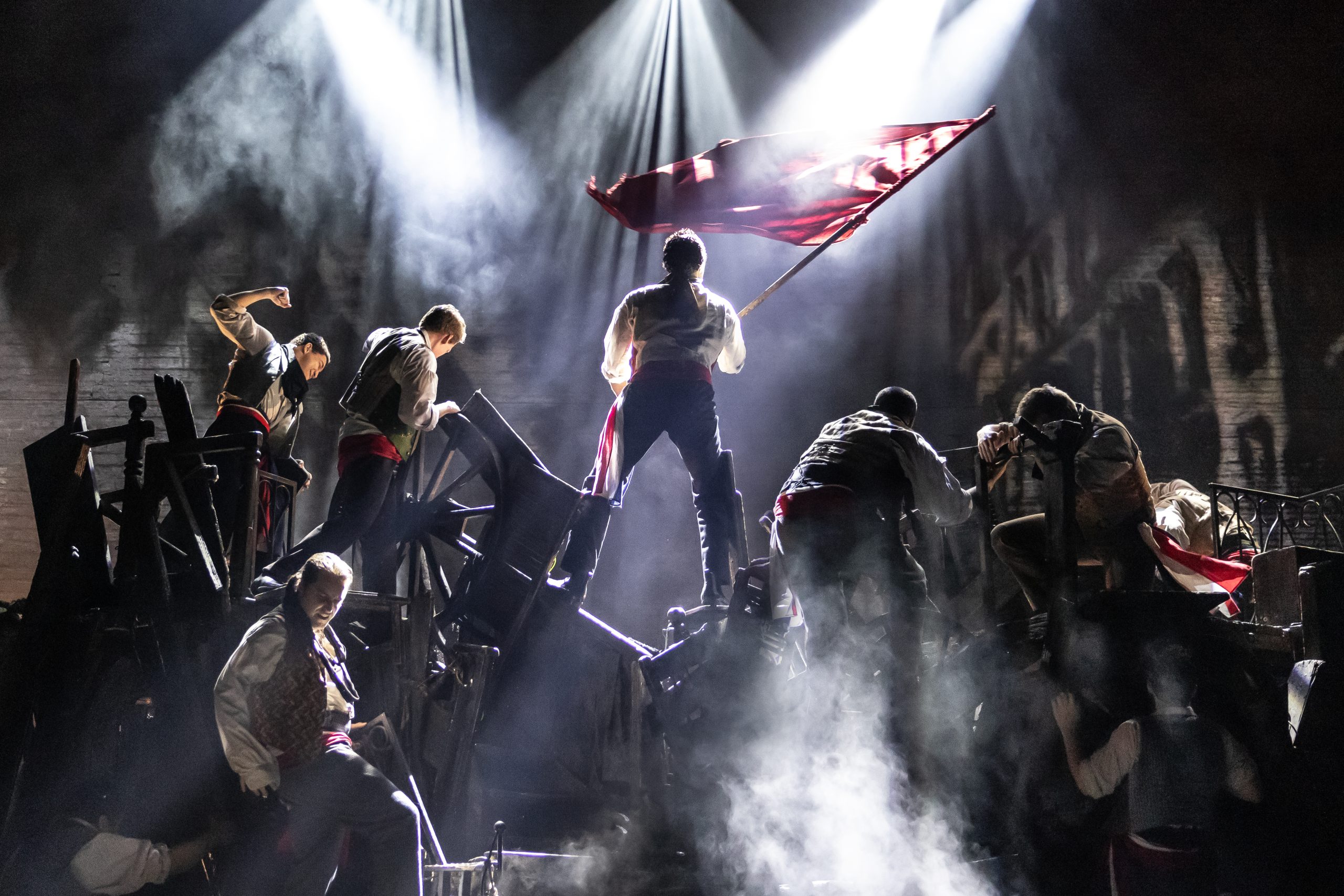
This production would be unimaginable without the incredible team of musicians in the orchestra pit. The near-constant score of this operatic musical, combined with the sound design by Nic Gray, works in perfect tandem to heighten suspense, underscore violence, and evoke the divine and supernatural elements woven throughout the story. The music never stops driving the show forward, becoming the heartbeat of the production itself.
Les Misérables is a must-see theatrical experience. With only a two-week run, there is no time to waste. This sweeping epic about love, sacrifice, and the resilience of the human spirit runs almost three hours, including intermission, and begins promptly on time. Due to its heavy themes and intense subject matter, the production is best suited for audiences ages 12 and up.
Les Misérables runs through May 24 at the Cadillac Palace Theatre, 151 W. Randolph St. Individual tickets, priced from $49 to $175, are available through Broadway in Chicago, with a limited number of premium seats also offered. Patrons can also participate in a digital lottery for a chance to purchase $30 tickets for each performance. In addition, a limited number of $49 rush tickets will be available in person at the box office on the day of each performance.
For more information on this and other productions, see theatreinchicago.com.
Did you enjoy this post? Please consider supporting Third Coast Review’s arts and culture coverage by making a donation. Choose the amount that works best for you, and know how much we appreciate your support!
