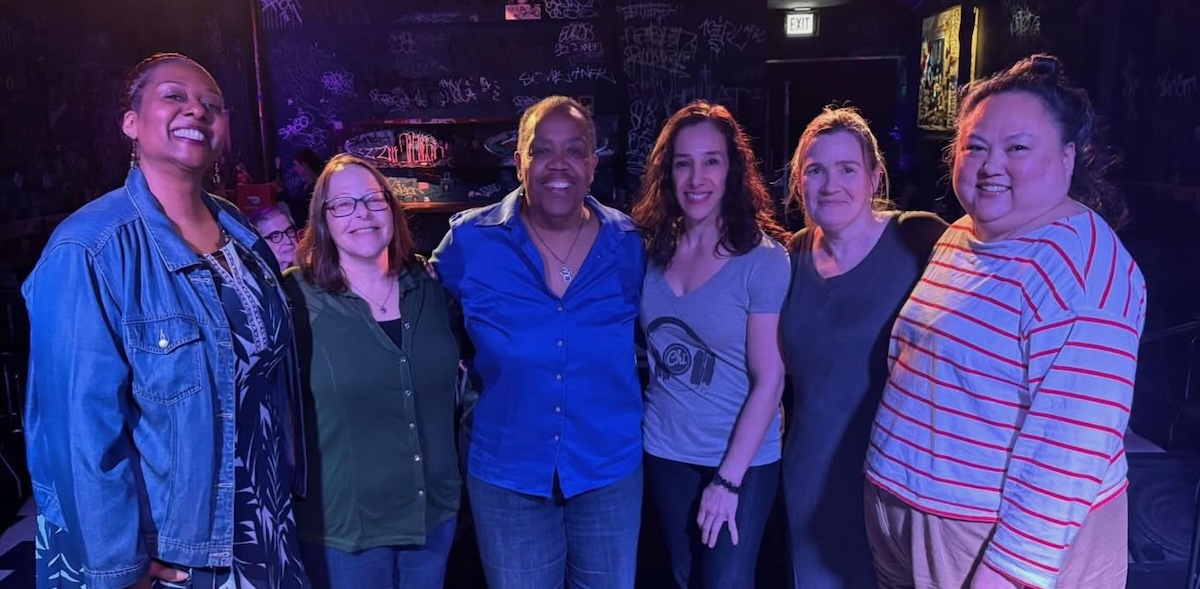
Live lit is alive and well in Chicago, with many iterations and variations. There’s the weekly Paper Machete at the Green Mill. The Moth continues at various locations. There’s Tenx9 at Kibbitznest, Tuesday Funk at Hopleaf, Grown Folks Stories at the Green Line Performing Arts Center, and This Much Is True at Mrs. Murphy’s Irish Bistro. And in case you’ve missed it, there’s Miss Spoken at Cole’s Bar in Logan Square every fourth Monday.
Miss Spoken is “lady live lit” and their list of possible female storytellers includes “femmes, nonbinary folk queens, earth mamas, boss babes, transwomen, ladies, cis women, hausfraus, dykes, bitches, ya girls, and little old ladies.” Finding a list that includes comfortable niches for so many women inspired me to attend the recent Miss Spoken event to check it out.
Miss Spoken, celebrating its 12th anniversary this year, meets monthly with a different theme and a different roster of readers each month. Hosts Jasmine Davila and Amy Eaton welcomed us at this week’s May meeting with the theme, “Occupation.”
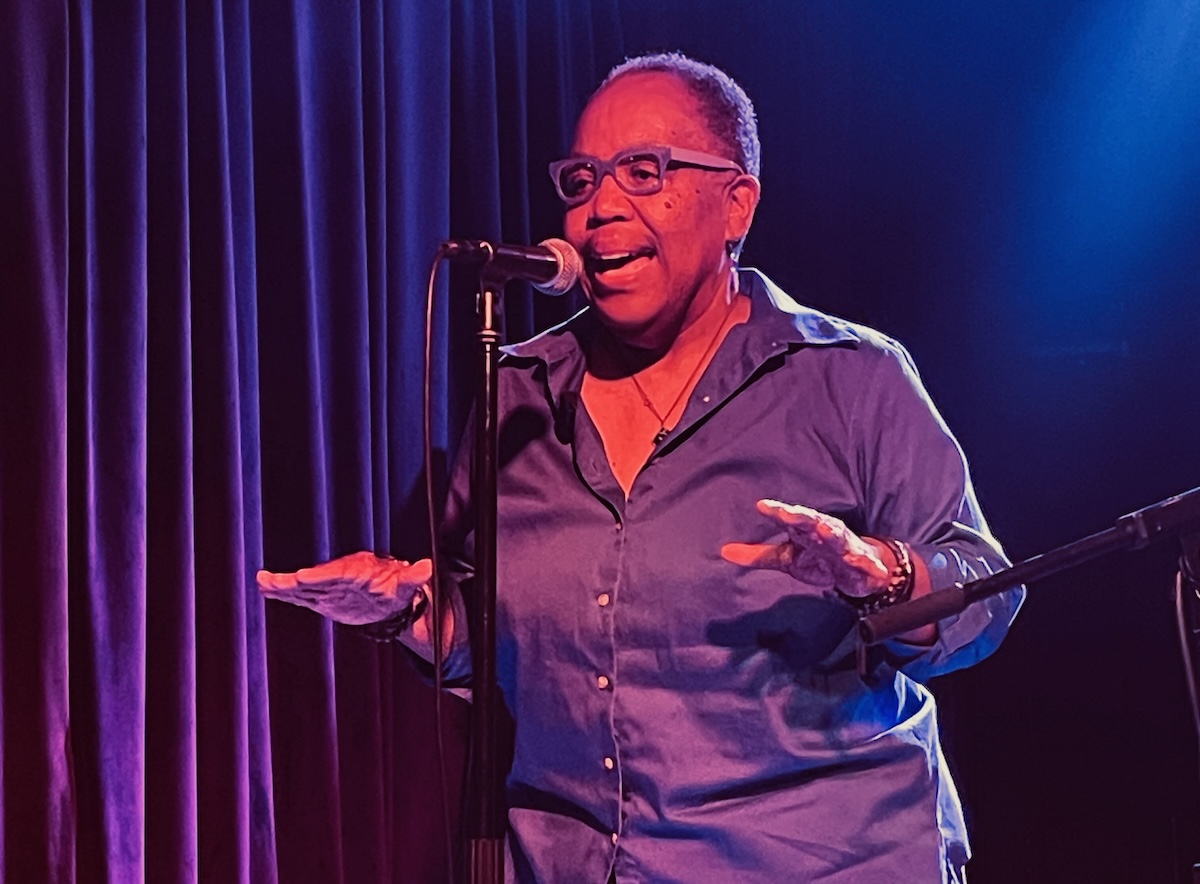
Jasmine Davila was the first storyteller. She talked about troubles she’s had the last two years, such as losing her job in 2024 and dealing with serious health issues. But some of her doctors and other professionals she worked with in rehab were helpful and inspiring and eased her difficulties.
Willa J. Taylor, the second speaker, is a former staff member at Goodman Theatre and at Lincoln Center Theatre in New York. (She now operates her own arts education consulting firm.) When she spoke about how much she loved everything about theater, my heart skipped a beat, because, as a theater critic, I do too. Taylor’s very moving story was about taking a group of teenagers to a New York production of The Heiress. Part of her experience was helping a young man deal with the way the play reminded him of a troubling family situation.
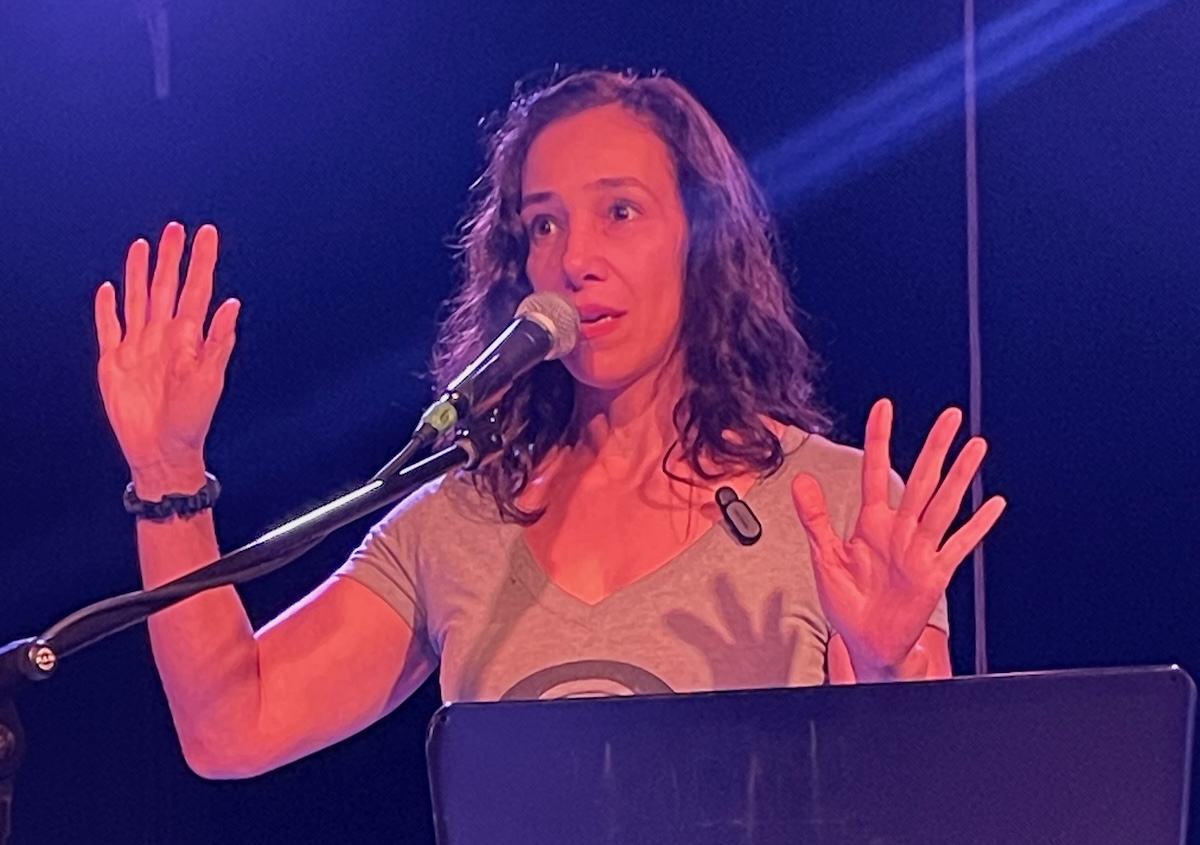
Next up was Kim Moldofsky, who, among other occupations, has been a dolphin trainer. Her story was about occasions when she has been “teleported” from being a bystander at a suburban cop/citizen interaction to moving in to help the citizen cope with a police officer who wasn’t abiding by department policies in dealing with citizens.
After a short intermission, Amy Eaton read her story about her friendship with a female cousin and how their relationship was part of their larger interfamily story. Her refrain about her friendship with her relative, whether it was phone calls or personal visits, was “We were very tight.” She repeated this every couple of minutes. But at the end, she said, “We were very tight all our lives. And now we’re not.”
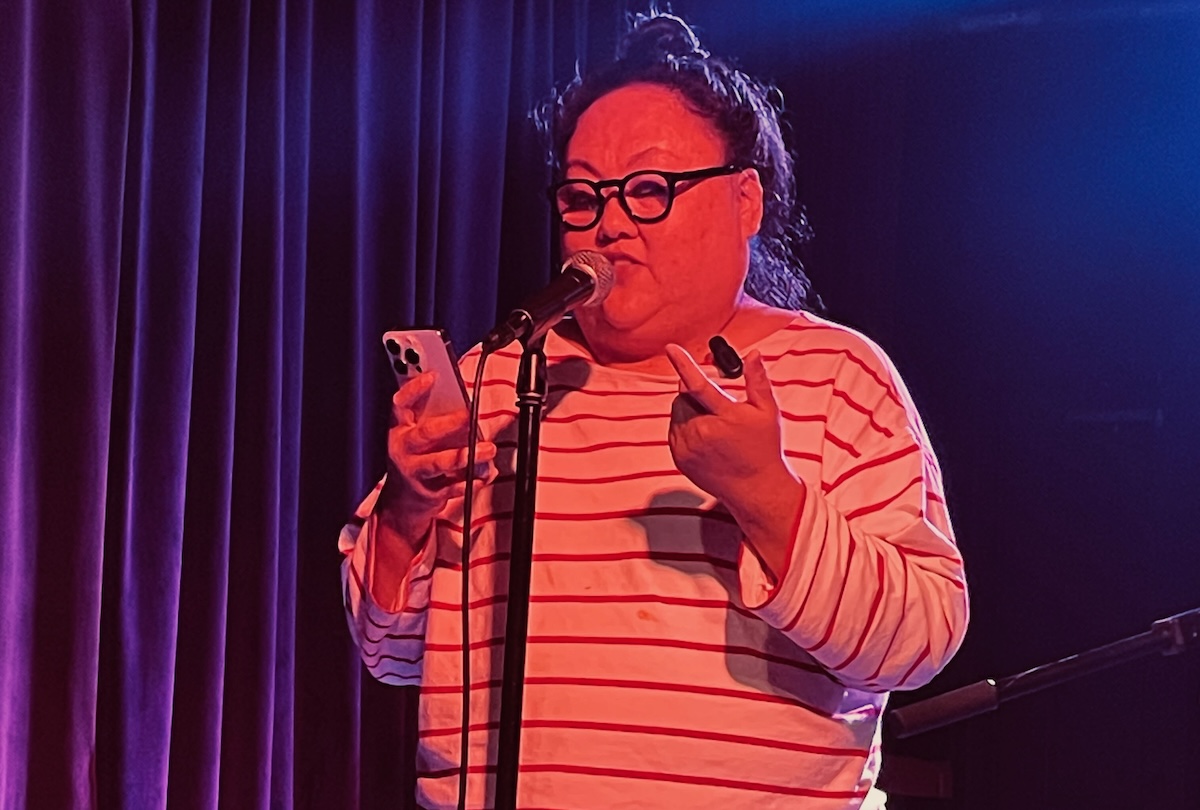
Carmenita Peoples was the next speaker with another family story. “We stopped talking the way we used to,” she said of her older sister, who had moved across the country. She would bring gifts to Peoples’ daughters when she came to visit, but her sister “had a way of taking all the air out of the room.” When their mother became ill with cervical cancer, the sister moved back to Chicago and lived in the mother’s apartment, in the same building where Carmenita and her daughters lived. For a while, the relationship was tense. But Carmenita began a process of reaching out with calls or invitations to dinner, and gradually their relationship improved. After their mother died, they began to work together more closely and gradually reestablished their sisterhood.
The final storyteller was Soli Santos, who asked the audience to vote on whether we wanted to hear story A or B. We voted to hear her story about being a case worker in the Cook County foster care system, in which she had the challenging task of guiding girls 17-20 to become independent young women. She helped them learn how to live on their own in small apartments provided as part of the foster program. She worked with eight girls who were getting ready for emancipation when they reached age 21.
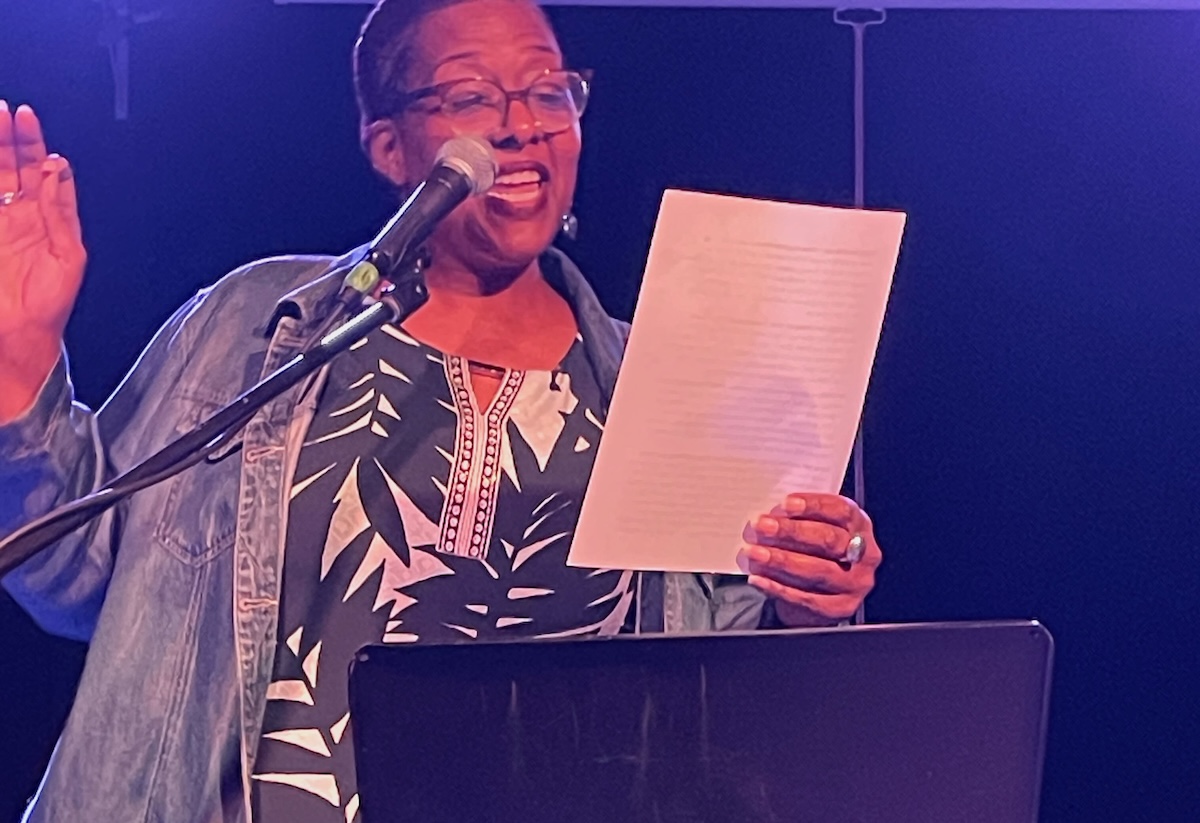
Each reader spoke for 7 to 10 minutes, some “on book,” as we say in the theater, and others without a script. The program’s total running time was 90 to 100 minutes.
You can see Miss Spoken on the fourth Monday of every month in a cozy back room at Cole’s Bar, 2338 N. Milwaukee Ave. in Logan Square. The next event will be Monday, June 22, at 7pm, when the theme will be “First Date.” Admission is free; donations are welcome.
See the Miss Spoken website for more information. If you are interested in telling your story at one of their events, apply here.
The Chicago Literary Hall of Fame keeps a list of live lit events in Chicago, with a website link for each one so you can check out what appeals to you—for a night of smart entertainment and/or an outlet for your own story.
Photos by Nancy S Bishop, except as noted otherwise.
If you found this post interesting, please consider supporting Third Coast Review’s arts and culture coverage by making a donation. Choose the amount that works best for you, and know how much we appreciate your support!
