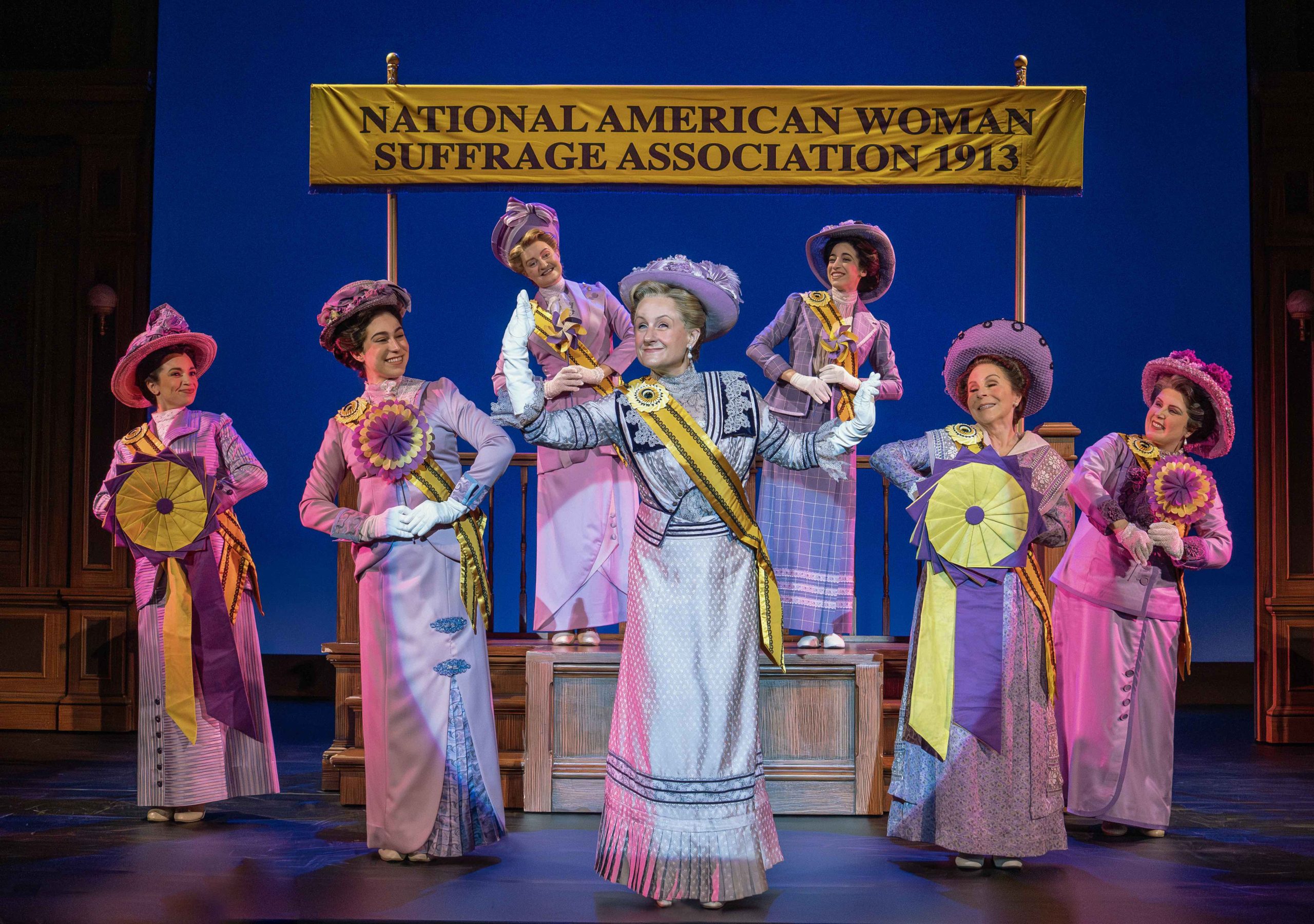

Menses are syncing up at the CIBC Theatre in downtown Chicago, both in the cast of 22 strong women (some playing male parts) and with the enthusiastic audience for Suffs. This heartfelt musical shares the tale of prominent suffragist leader Alice Paul and her tireless compatriots at the beginning of the 20th century, directed by Leigh Silverman.
As American women continue the ceaseless fight for equality, currently with the push for the vote-blocking SAVE Act and the recent decimation of the Voting Rights Act and Roe v. Wade protections, Suffs passionately shows that the price (both literally and figuratively) of liberty is, indeed, eternal vigilance, and that everything old is new again.
Creator Shaina Taub won Tony Awards for Best Book and Best Score for the initial Broadway run, produced by Hillary Clinton and Malala Yousafzai, and is currently overseeing this national tour. (All the cool politicos are now producing creative products, like the Obamas with Larry David’s new HBO series Life, Larry and the Pursuit of Unhappiness. That streaming service also offers Iron Jawed Angels, a solid 2004 Hilary Swank vehicle about these suffragists.)
Audiences first saw singing voting activists in the Mary Poppins' “Sister Suffragette” scene, then pattering patriots in Hamilton, and this production continues that excellent pedigree of mostly accurate historical moments via inspirational anthems, including songs like “Let Mother Vote,” “How Long,” and “Great American Bitch.”
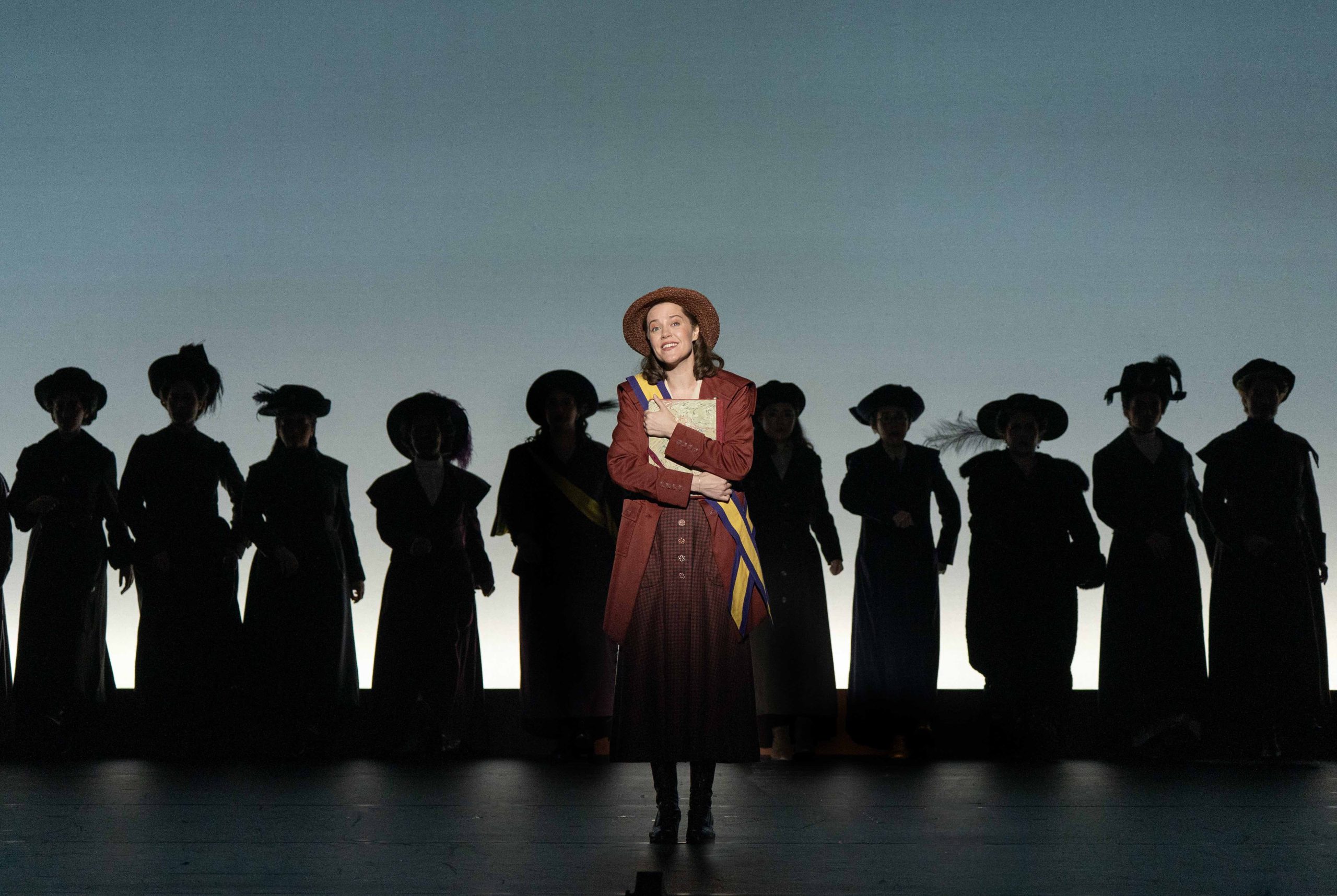
Amiable Maya Keleher as Alice Paul leads the uniformly strong cast of relatable characters and superb singers (who blend beautifully) as they unspool the story of the quest for women’s voting rights in the U.S.
Old guard fighters Carrie Chapman Catt (formidable Marya Grandy) and her perhaps Boston-marriage wife Mollie Hay (supportive Tami Dahbura) have been plodding along in the footsteps of Susan B. Anthony with the National American Woman Suffrage Association, trying to work pleasantly within the patriarchal system using “dignified agitation” during a time when contraception was a federal crime.
Then young upstarts Paul and her best college friend Lucy Burns (engaging Gwynne Wood) decide to disrupt the status quo using techniques they learned from British protesters (a history not included here), like instigating press events and hunger strikes, by creating the National Woman’s Party in 1913.
Through a non-stop series of poignant ballads and rousing marches, the question “is it better to fight from within or without” is parsed. These separate but equal campaigners are cleverly color-coded with a tailored, muted clothing palette by Paul Tazewell, who also designed Wicked and Hamilton.
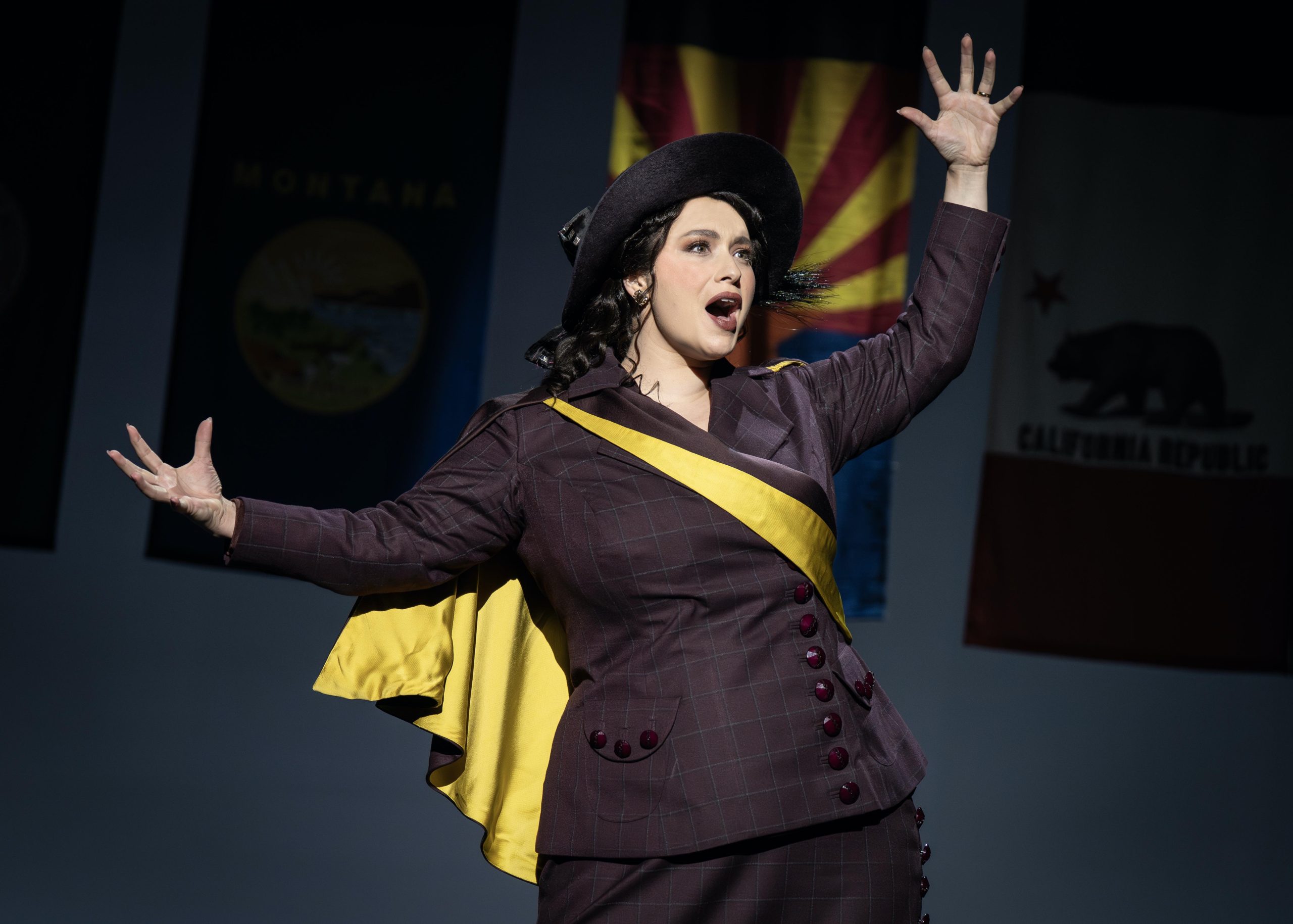
These more aggressive tactics to buttonhole President Wilson attract a diverse group of suffragists, from flashy equestrian Inez Milholland (energetic Monica Tulia Ramirez) to Polish firecracker Ruza Wenclawska (sassy Joyce Meimei Zheng) to African American fighters like Mary Church Terrell (confident Trisha Jeffrey) and Chicago’s own journalistic crusader Ida B. Wells (inspirational Danyel Fulton).
The show accurately tackles the schism between white and Black suffragists, as the Caucasian women often sidelined others to the background since many thought only one battle—misogyny—should be fought at a time, and that racism could be tackled later.
The play covers about a decade, through when the 19th amendment was passed in 1920, giving white women the franchise. The final scene includes a glimpse of Paul’s final years when she’s championing the still-unpassed Equal Right Amendment, which she first drafted in 1923.
Through a surprising amount of humor among the pathos, we see female relationships in action, both supportive and toxic, physical and cerebral, platonic and sexual, plus struggles with infertility and the violence suffered when many were jailed at the Occoquan Workhouse, where their hands were tied above their heads and they were force-fed (Paul was never actually incarcerated at that Lorton penitentiary, but most others were, notably Burns).
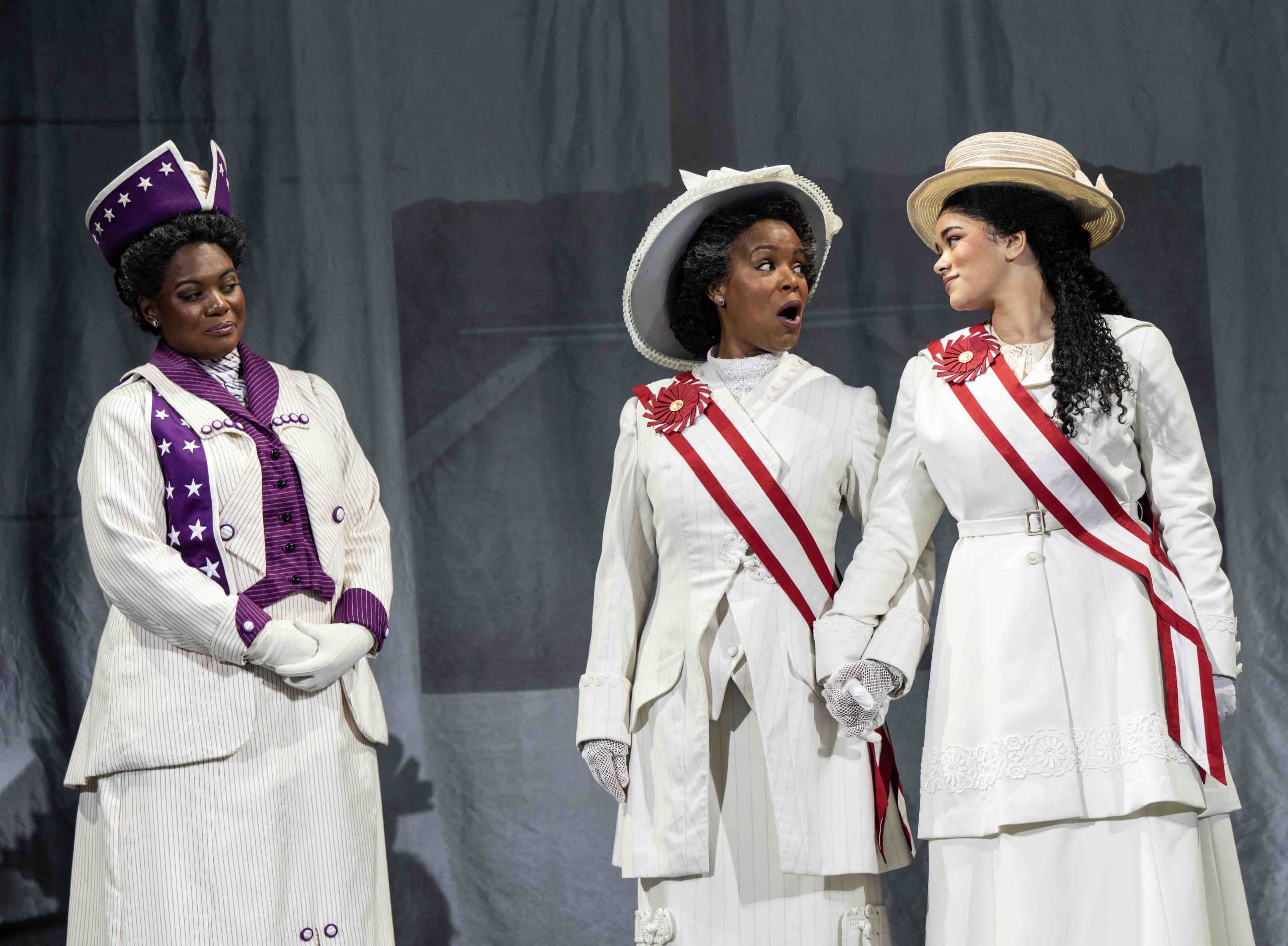
There’s a lot of history, people and moving parts in this narrative, but the pace is brisk, and the stakes are clear, all considering the question “would you be hysterical if you had no voice?” Living that query in real-time right now makes this production even more accessible and meaningful. At the end, this phalanx of women takes these timely questions to the sympathetic audience, singing that equal rights "will only be ours if we keep marching on.” Check with Indivisible Chicago to join that next fight for our rights.
Suffs runs at CIBC Theatre, 18 W. Monroe St., through July 19. Tickets are $50-$280, available here. The production runs 2.5 hours plus one intermission. A free recording of the Broadway performance is also available on PBS through July 31, 2026.
For more information on this and other productions, see theatreinchicago.com.
Support arts and culture journalism today. This work doesn't happen without your support. Contribute today and ensure we can continue to share the latest reviews, essays, and previews.
